Last Updated: October 15, 2026
Last Updated: October 15, 2026





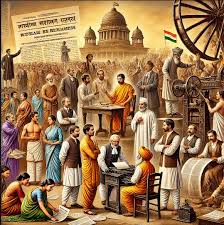
India’s rich heritage of traditional handicrafts has found new momentum in recent years, blending cultural preservation with economic empowerment. From Kashmir’s Pashmina shawls to Rajasthan’s block prints, India’s artisanal legacy has become a significant driver of rural livelihoods and global recognition.
Government programs like the Ministry of Textiles’ “Samarth” and the “Handloom Mark” initiative have enhanced skill development, provided market access, and promoted fair trade practices for artisans. E-commerce platforms are increasingly collaborating with craft communities, helping artisans reach national and international markets. As a result, handicrafts are experiencing a resurgence, appealing to consumers seeking authentic, sustainable, and culturally rich products.
Innovation has played a key role in reviving handicrafts. Designers and entrepreneurs are incorporating traditional techniques into modern products, making them relevant for contemporary lifestyles. For example, handcrafted jewelry, home decor, and apparel are blending heritage patterns with modern aesthetics, appealing to younger generations and global buyers.
The economic impact is substantial. According to recent surveys, the handicraft sector employs over 7 million artisans directly and millions more indirectly. Increased market access and higher-value products are improving incomes, reducing rural distress, and preserving traditional skills. Handicraft cooperatives in states like Uttar Pradesh, Odisha, and Tamil Nadu are becoming models of sustainable entrepreneurship, empowering women and marginalized communities.
Cultural tourism is another area benefiting from handicraft revival. Craft villages, exhibitions, and fairs attract domestic and international tourists, creating additional income streams for local communities. Initiatives like the annual Surajkund Mela in Haryana and Dilli Haat in Delhi showcase a wide array of crafts, stimulating tourism and fostering cultural appreciation.
Educational and skill-building programs are ensuring that these traditions endure. Apprenticeships, design workshops, and digital literacy programs enable artisans to adapt to modern markets without compromising craftsmanship. The integration of technology has also facilitated inventory management, quality control, and marketing, enhancing competitiveness.
Environmental sustainability is a noteworthy aspect. Many traditional crafts use natural dyes, recycled materials, and eco-friendly techniques, contributing to India’s green initiatives.
Higher reaches of Jammu and Kashmir received the season’s first snowfall, covering Doda, Gurez Valley and Pir Ki...

Mumbai Police has issued a 'Leave India' notice to Bollywood superstar Aamir Khan's nephew and actor Imran Khan....

Ram Kumar Singh, a 71-year-old retired Customs officer, was shot dead outside his home in Ara’s Kanakpuri locality....

Punjab AGTF and Haryana STF arrested Gurlal Singh in connection with Ajmeet Singh’s September 11 murder in Naushera...

Uttar Pradesh Police arrested a 28-year-old alleged criminal after an encounter in Noida’s Sector 63. Police said around...

Indian equity benchmarks opened higher on Thursday, with the Sensex rising 183.91 points and the Nifty gaining 48.60...

Aries: The day will be auspicious...