Last Updated: October 26, 2026
Last Updated: October 26, 2026





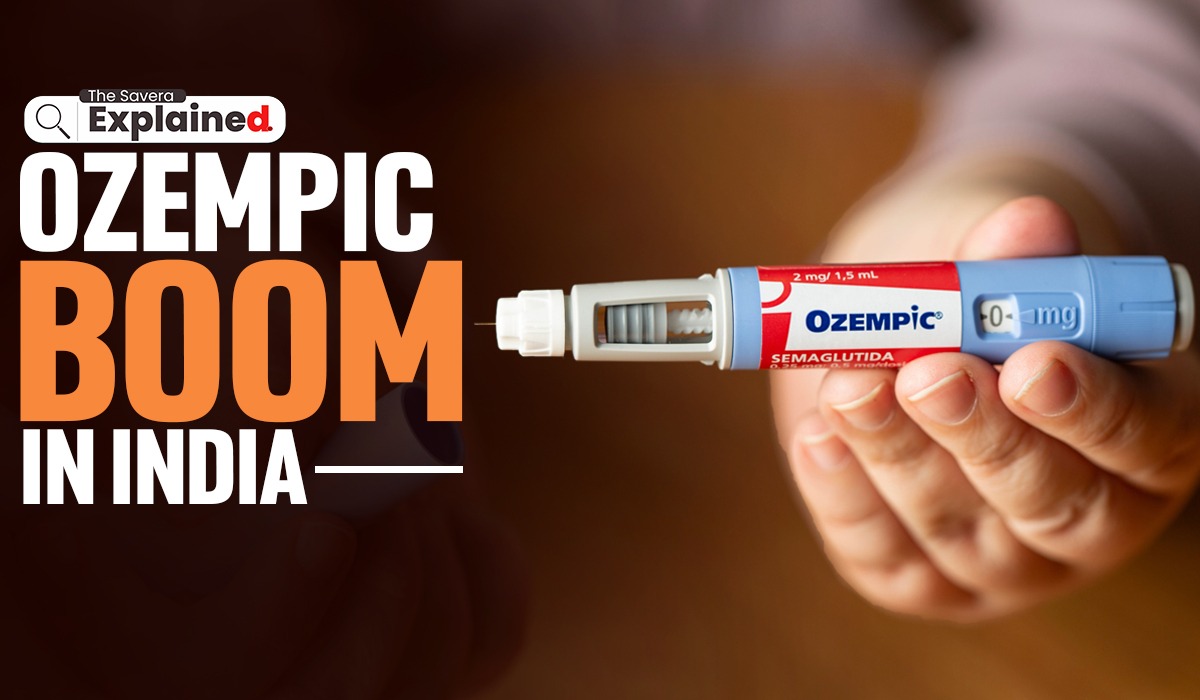
India’s pharmaceutical market is at a turning point. As of March 20, 2026, the patent on semaglutide—the key ingredient behind blockbuster drugs like Ozempic and Wegovy—has expired.
This single development is expected to dramatically reshape how obesity and diabetes are treated in the country, opening the floodgates to cheaper, locally made alternatives.
A flood of low-cost alternatives
With the patent barrier gone, Indian drugmakers have moved quickly. Companies such as Sun Pharma, Dr. Reddy’s, Zydus Lifesciences, Lupin, Alkem Laboratories, and others are preparing to launch generic versions of semaglutide. Industry estimates suggest over 40 companies could roll out more than 50 brands within weeks.
This kind of competition is likely to trigger a steep fall in prices. What was once an expensive, premium therapy could soon become far more affordable, potentially bringing millions of new patients into the treatment pool.
Rising demand in a high-burden country
India has one of the world’s largest populations of people with diabetes and a rapidly growing obesity problem. Until now, semaglutide-based drugs were out of reach for most patients due to high costs.
Cheaper generics could change that. Doctors may begin prescribing these drugs earlier, not just for advanced diabetes but also for weight management. Demand is expected to expand beyond major cities into smaller towns, significantly widening access.
Competition heats up with global players
The timing is crucial because global pharmaceutical companies are already eyeing India’s fast-growing obesity market. Eli Lilly, which entered the segment recently, has seen strong early success with its drug Mounjaro. According to Pharmarack data, Mounjaro has become the top-selling medicine in India by value within months of launch.
However, the arrival of low-cost generics could disrupt this momentum. While multinational firms may retain a premium segment, they are likely to face intense pricing pressure from domestic manufacturers.
A test for India’s regulatory system
The rapid influx of multiple brands will put pressure on India’s drug regulator. Ensuring that all generic versions meet safety, quality, and effectiveness standards will be critical.
There are also concerns about misuse. With rising awareness and social media influence, demand for weight-loss drugs could extend beyond medical need, increasing the risk of overuse or unsupervised consumption.
Shifting medical practices
Doctors will need to navigate a crowded market with dozens of brands offering the same molecule at different prices. Prescribing decisions may increasingly depend on trust, quality, and patient affordability rather than brand dominance.
At the same time, obesity treatment—long under-addressed in India—could become more mainstream in clinical practice.
India’s global opportunity
India is among the first major markets after Canada to see semaglutide lose patent protection. This positions the country as a potential global hub for low-cost anti-obesity drugs.
If Indian companies scale production efficiently, they could supply affordable semaglutide to developing markets across Asia, Africa, and Latin America, much like India did with HIV drugs and vaccines.
The bottom line
The expiry of the semaglutide patent is more than a legal milestone—it marks the beginning of a major shift in India’s healthcare landscape. Lower prices, wider access, and intense competition could define what many are calling India’s “Ozempic moment,” with long-term implications for both domestic care and global drug markets.
Imagine opening WhatsApp on your phone, but the SIM card linked to your account is not inside the...

Delhi’s air pollution is once again raising health concerns, with the Air Quality Index (AQI) entering the ‘poor’...

Ladakh is seeing two changes at once: a new district has been announced, and the Centre has proposed...

What if a decision taken in Washington could influence India’s oil bills, export earnings and trade relations with...

What happens when the world’s richest business leaders clash over one of the world’s biggest internet markets? A...

Pakistan is heading into its wheat-growing season with a serious water problem. The country is facing a projected...
Aries: The day will be auspicious...