Iran: Assembly of Experts in Iran has decided on the country’s next Supreme Leader following the death of Ali Khamenei, members of the clerical body said on Sunday. However, the name of the chosen candidate has not yet been made public.
Mohsen Heydari, a member of the council representing Khuzestan province, said the body had agreed on a candidate supported by the majority.
“The most suitable candidate has been selected with the approval of most members,” he told Iran’s ISNA news agency.
Another member, Mohammad Mehdi Mirbagheri, also confirmed that the council had reached a consensus decision.
Body Responsible for Choosing the Supreme Leader
The Assembly of Experts is the institution responsible for appointing Iran’s Supreme Leader, the country’s highest political and religious authority.
The Supreme Leader holds ultimate power over Iran’s military, judiciary, and key state institutions.
The body consists of 88 Shia clerics, elected by the public every eight years, although candidates must first be approved by the Guardian Council.
Leadership Change After Khamenei’s Death
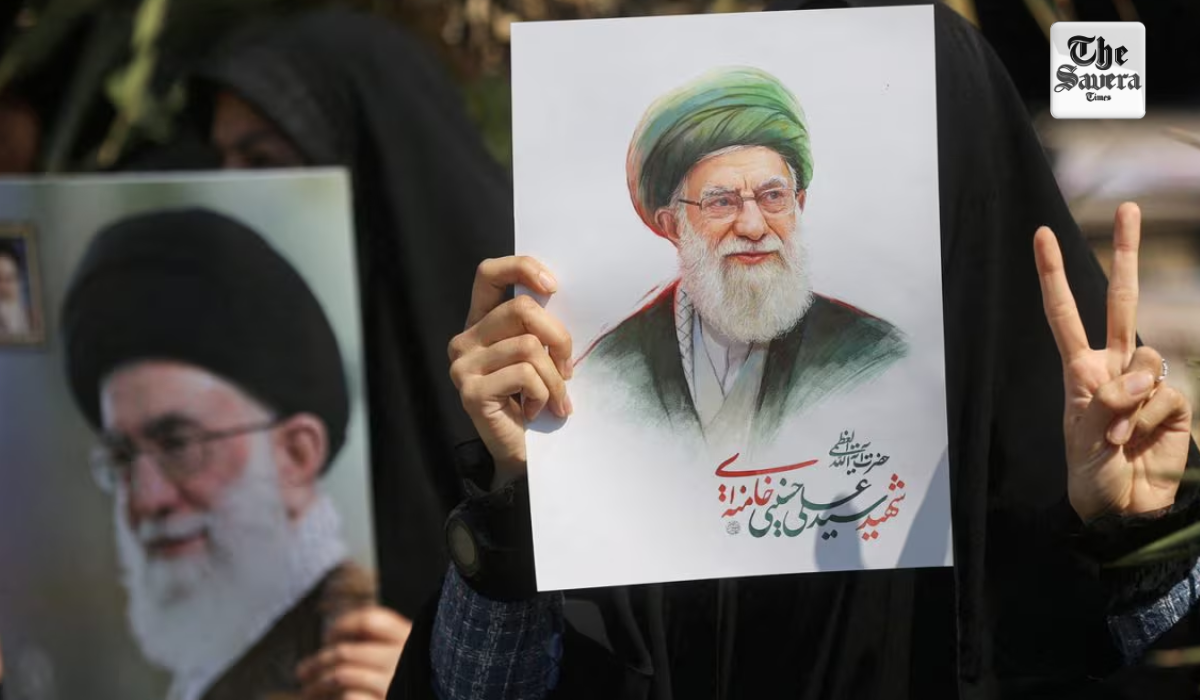
The decision comes after the death of Supreme Leader Ali Khamenei, who was reportedly killed in joint air strikes by the United States and Israel.
Donald Trump announced the news after the attack, saying Khamenei had been killed and calling the strike “justice for the people of Iran and others harmed by Tehran.”
Khamenei was 86 years old and had served as Iran’s Supreme Leader since 1989, when he succeeded Ruhollah Khomeini, the founder of the Islamic Republic.
Temporary Leadership During Transition
Iranian state television reported that President Masoud Pezeshkian, judiciary chief Gholamhossein Mohseni Ejei, and another senior official will oversee the country during the transition period until the new Supreme Leader formally takes office.
Under Iran’s constitution, the Assembly of Experts must appoint a new leader as soon as possible after the death of the previous one.
If the process takes longer, a temporary leadership council can carry out the duties of the Supreme Leader until a permanent successor is confirmed.
Rising Regional Tensions
The leadership transition is taking place amid increasing tensions in the Middle East after the air strikes that killed Khamenei and several senior officials.
Following the attack, Iran launched missile strikes targeting Israel and US military bases in the Gulf region, further escalating the conflict.
Rare Leadership Transition
The change in leadership will mark only the second transfer of power in the position of Supreme Leader since the Iranian Revolution, which established the Islamic Republic of Iran.
Khamenei’s successor will therefore become the third Supreme Leader in the country’s modern history.