Last Updated: October 12, 2026
Last Updated: October 12, 2026





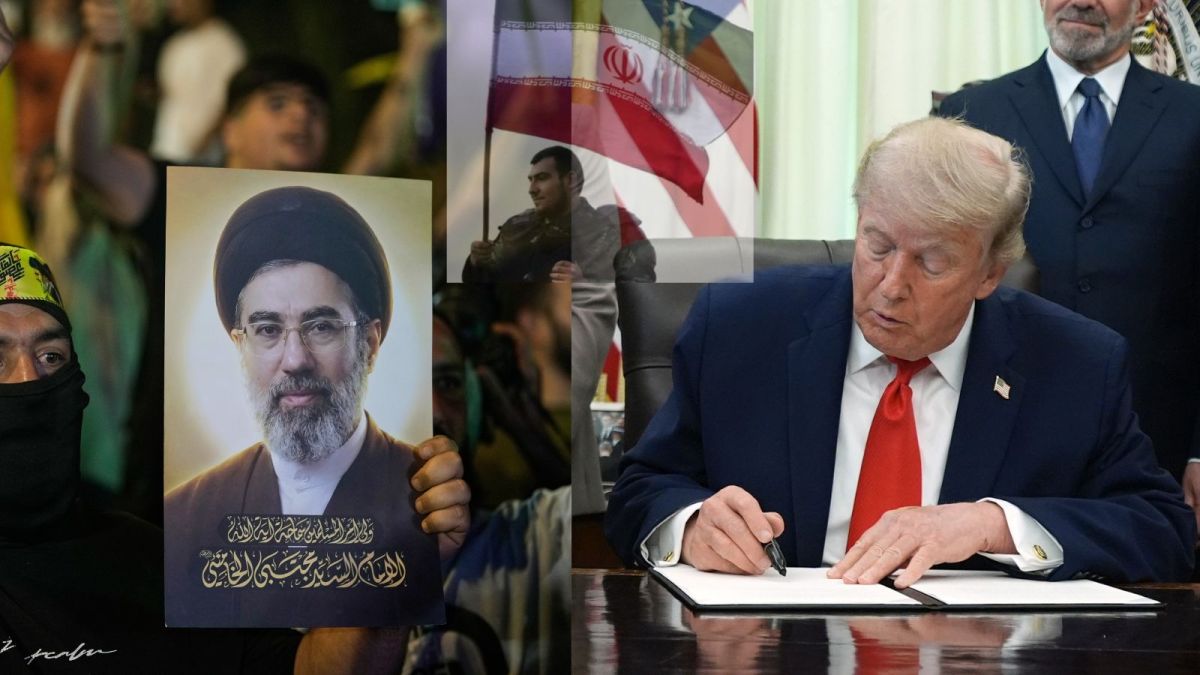
Iran has been announced once again. A 60-day ceasefire between the US and leaders from both nations are set to strike a deal in Geneva on Monday. Trump has previously announced ceasefires or the end of the war on several occasions; in fact, he has made such announcements 38 times since the conflict began. Just as the world anticipated a US strike on Iran’s strategically vital Kharg Island, the US announced a ceasefire. Iran has stated that it is closer than ever to reaching a war-ending agreement with the US. Pakistanhas also announced that a final deal between the USand Iran could be reached within the next day. Thosefamiliar with the conflict know that the fierce fighting during the first month resulted in billions of dollars in losses—a level of warfare that cannot be sustained repeatedly. In recent days, the conflict had narrowed down to a blockade of the Strait of Hormuz. While Iran had imposed a blockade in the Strait of Hormuz, the US had simultaneously enforced a blockade in the Gulf of Oman. Drone attacks and missile strikes continued during this period, though not with the intensity seen in full-scale warfare. However, Israel persisted in maintaining its own war front; targeting Hezbollah terrorists in Lebanon, it continued to launch strikes against them. Israeli Prime Minister Netanyahu’s hold on power is likely to endure—despite public outrage— as long as the bombing of Gaza or Lebanon continues under the pretext of action against terrorists. Recently, US President Donald Trump sought to exit the conflict while projecting the image of a victor, driven by his declining popularity and growing domestic opposition to the war; however, Iran’s formidable retaliatory strength denied him that opportunity. The futility of the war was evident to the general public, and the way Iran had disrupted the supply of crude oil and gas from the Gulf region via the Strait of Hormuz was fueling resentment in countries deprived of these essential supplies and fertilizers. Meanwhile, stock markets remained buoyant in anticipation of an agreement. Crude oil prices fell to $86 per barrel, and the market indices finally staged a significant rally. The US and Iran hold differing claims regarding the points of mutual understanding reachedfor the agreement; the US maintains that its objective— crippling Iran’s nuclear weapons capability—has been achieved. Additionally, the US is insisting on the unhindered opening of the Strait of Hormuz. Currently, 249 cargo vessels from various nations are waiting for the route through the Strait to open. As for Iran’s stance, reports indicate that it intends to maintain routine control over the Strait and levy transit fees on passing vessels. Iran has also urged against speculation regarding the terms of the agreement. While Iran may not build a nuclear bomb, the prospect of handing over control of its uranium to another country is entirely off the table. It is highly unlikely that the US will accede to Iran’s demands for compensation for damages or the unfreezing of its assets; however, a ceasefire could still evolve into a formal agreement without addressing these specific issues.
A Pakistani Army training aircraft crashed near Quetta, the capital of Pakistan's Balochistan province, on Monday.
The Royal Swedish Academy of Sciences on Monday announced the 2026 Nobel Prize in Economics to American economists...

A Sudanese rights group says at least 72 gold miners were killed in an air strike near the...
US President Donald Trump is scheduled to attend the ASEAN summit in Manila on November 16 before travelling...
An Indian national injured in the October 10 attack on Riyadh’s King Khalid International Airport has died, taking...

Ukrainian President Volodymyr Zelenskyy says he was unaware of Donald Trump’s announcement of an immediate energy ceasefire between...

Aries: The day will be auspicious...