Last Updated: October 27, 2026
Last Updated: October 27, 2026





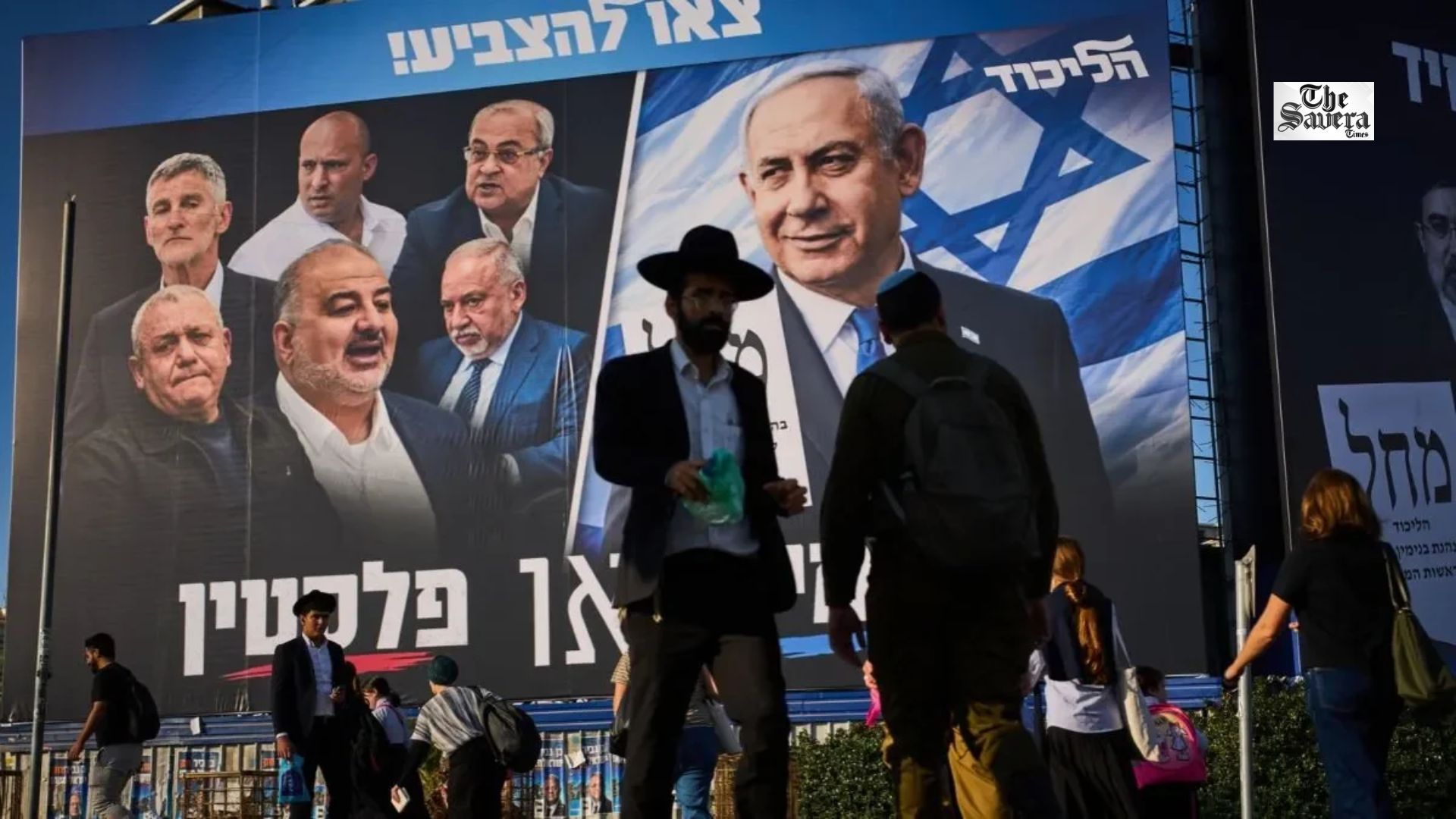
Jerusalem: Israel is voting on Tuesday in an important election that could decide the political future of Prime Minister Benjamin Netanyahu. The 77-year-old leader is facing criticism over his government’s handling of the October 7, 2023, Hamas attack and the war with Iran.
Around 7.3 million people are eligible to vote. The election comes at a difficult time for Israel, with security concerns and political divisions among the main issues facing voters.
Netanyahu is Israel’s longest-serving prime minister. Despite his years in power, he faces a tough contest as opposition leaders seek to challenge his leadership.
Who are Netanyahu’s main rivals?
Gadi Eisenkot, a former chief of staff of the Israel Defense Forces, is one of the key challengers. He leads the centrist Yashar party and has presented himself as an alternative to Netanyahu.
Eisenkot has questioned the government’s handling of the October 7 attack, which killed around 1,200 people in Israel. Netanyahu has faced criticism over the security failures that allowed the attack to take place.
Former prime minister Naftali Bennett is another important contender. He leads the B’Yachad alliance, which also includes former prime minister Yair Lapid’s Yesh Atid party.
The election is expected to be closely fought, but the final result will depend on how many seats each party wins and whether the parties can build a majority in parliament.
Iran war and security concerns remain key issues
The war with Iran has added to the challenges facing Netanyahu as voters consider his government’s security record and decisions.
Another issue is military service. Netanyahu’s coalition has relied on ultra-Orthodox parties that support exemptions from military service for young men studying in religious institutions. The policy has faced criticism, particularly as Israeli forces continue to deal with security threats.
For many voters, the election is a chance to decide whether Netanyahu should continue leading the country or whether a change in leadership is needed.
Trump backs Netanyahu
US President Donald Trump has publicly backed Netanyahu ahead of the election, praising his leadership during difficult times.
Speaking to reporters on Monday, Trump described Netanyahu as a fantastic leader who had done a very good job under challenging conditions.
Netanyahu also praised his relationship with Trump, saying on Sunday that the US president had brought an unprecedented level of friendship between the leaders of the two countries.
The relationship between Washington and Tel Aviv remains important as Israel deals with regional conflicts and security challenges.
How does Israel’s election system work?
Israel follows a proportional representation system in which the entire country acts as a single constituency. Voters choose political parties rather than individual candidates for the 120-member Knesset, the country’s parliament.
A party must secure at least 3.25% of the vote to enter parliament.
Winning the most seats does not automatically guarantee the prime minister’s post. A government must secure the support of at least 61 lawmakers, which usually requires an agreement between several parties.
If no political bloc wins a clear majority, coalition talks could decide who forms the next government.
The election is therefore a major test for Netanyahu. The result will show whether he can retain enough political support to remain in power or whether his rivals can come together to form a new government.
BJP National President Nitin Nabin will lead a ‘Save Democracy, Remove Anarchy’ foot march in Delhi’s Chandni Chowk...
Washington: Meta is facing questions from Democratic senators and state attorneys general over the suspension of an anti-Trump...

Washington: The Trump administration is suspending a programme that allowed prescreened Chinese nationals to visit the Northern Mariana...

When Indian intellectuals are asked about the country’s real problems, they tell you about inflation, corruption, and the...
Protests against the proposed 11,200-megawatt (MW) Siang Upper Multipurpose Project (SUMP) turned violent in Pasighat, a town in...

Harbouring terrorists, intense control of the military, loan dependency, and sidelining of its own people have all contributed...
Aries: The day will be auspicious...