Last Updated: October 16, 2026
Last Updated: October 16, 2026





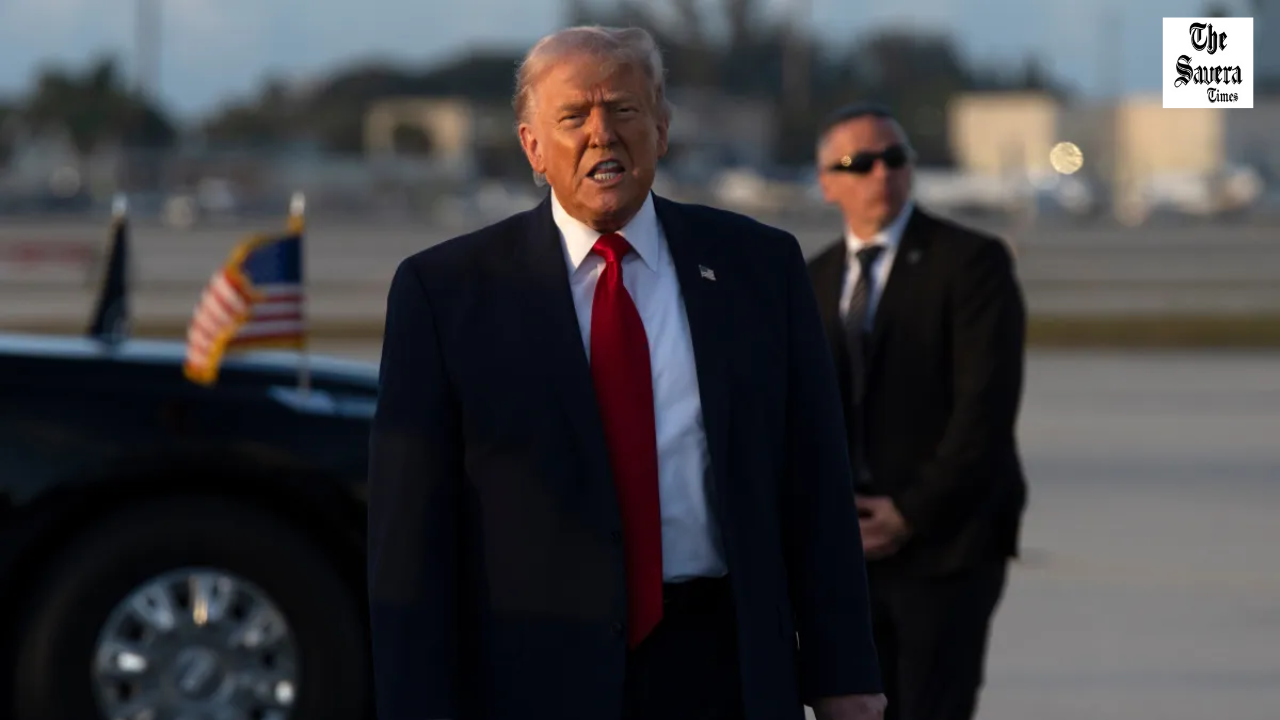
Amid the escalating conflict between Israel and Iran, former U.S. President Donald Trump stated that the decision on when the war will end will be taken jointly with Israeli Prime Minister Benjamin Netanyahu.
In a recent statement, Trump said the end of the war would be a “mutual decision” between the United States and Israel, highlighting close coordination between the two allies.
He added that discussions with Netanyahu would play a key role in determining the timing of any ceasefire or conclusion of the military campaign. However, Trump also indicated that the final decision would be taken only when the conditions are considered right.
Conflict continues to escalate in the Middle East
The war began after coordinated strikes by Israel, and the United States targeted Iranian military and strategic locations as part of a major military campaign. The operation triggered strong retaliation from Iran and heightened tensions across the Middle East.
Since then, both sides have exchanged missile and drone attacks, and the conflict has expanded to several regions including the Persian Gulf and Lebanon. Iranian-backed groups have also launched strikes against Israeli targets, further escalating the crisis.
The conflict has raised concerns globally as it threatens to destabilize the entire West Asian region and affect international trade and energy supplies.
Netanyahu says war may take time
Israeli Prime Minister Benjamin Netanyahu has indicated that the war against Iran may continue for some time, though he believes it will not stretch on for years.
Netanyahu said Israel’s objective is to eliminate threats posed by Iran, particularly its missile capabilities and nuclear programme. He also suggested that the conflict could significantly reshape the strategic landscape of the Middle East.
Israeli officials claim that recent military operations have weakened Iranian military capabilities and damaged key infrastructure.
Leadership changes add new uncertainty
The conflict intensified further after the death of Iran’s Supreme Leader Ali Khamenei in airstrikes during the war. His son Mojtaba Khamenei has since been named Iran’s new Supreme Leader, adding another layer of uncertainty to the crisis.
Iran has vowed strong retaliation and warned that the conflict could widen if attacks continue. The leadership change has also strengthened hardline factions in Iran, making diplomatic solutions more complicated.
Global impact of the ongoing war
The Israel-Iran conflict has already had significant global consequences. Oil prices have surged past $100 per barrel, financial markets have become volatile, and international airlines and shipping companies are facing disruptions due to security concerns.
Several countries and international organizations have called for restraint and urged both sides to pursue diplomatic negotiations to avoid a broader regional war.
Future of the conflict remains uncertain
While Trump indicated that the end of the war will depend on discussions with Netanyahu, analysts believe the conflict’s duration will depend on several factors, including military outcomes, diplomatic negotiations, and international pressure.
For now, the war continues with no immediate ceasefire in sight, and the Middle East remains on edge as the world watches closely for the next developments.
Air India and Air India Express have suspended flights to Riyadh, Jeddah and Dammam until October 20. IndiGo...

Manjit Singh Bedi, 64, has been returned to the United States after being arrested in India. He faces...
A Houthi attack on the al-Maashiq Presidential Palace in Aden killed five people and injured 16, amid intensifying...
A shooting at Silver Rail Elementary School in Bend, Oregon, left three children and a teacher dead. The...

Prime Minister Narendra Modi will visit Canada on December 11-12, 2026, with both countries aiming to strengthen strategic...
US Vice President JD Vance has warned that anyone found selling access to the White House should face...
Aries: The day will be auspicious...