Last Updated: October 12, 2026
Last Updated: October 12, 2026





Arecent report has highlighted the rapid growth of wildlife farming in Kenya, revealing significant gaps in legal oversight and widespread animal suffering. The study, Behind Bars: Lifting the Lid off Kenya’s Cruel Wildlife Farming, was released on September 23, 2025, by World Animal Protection, a global animal welfare organisation.
It is based on extensive research, including field investigations conducted across six wildlife facilities in 2024, validating findings from a 2023 systematic review. The report found that 1,477 animals are currently held in commercial wildlife facilities in Kenya. The majority included ostriches (700), tortoises (545), and crocodiles (177). Other animals recorded were hippos, giraffes, birds of prey such as eagles and vultures, snakes, chameleons, fish, and primates, including bush babies and baboons. Field visits revealed that many animals were kept in cramped enclosures with little opportunity to exhibit natural behaviours.
Cases of severe malnutrition, untreated wounds, and parasite infestations were common, and professional veterinary care was largely absent, leaving animals vulnerable to disease. Tourism-focused facilities, which made up around a third of those visited, exploited animals for entertainment through close human interaction. Visitors were often allowed to feed giraffees and hippos, handle tethered birds, or pet young crocodiles. Despite higher entrance fees, the revenue generated was not directed toward improving animal welfare.
Such Animal-Visitor Interactions (AVIs) were found to increase stress for animals and pose risks to public health, including the potential transmission of zoonotic diseases. The report also highlighted broader ecological and conservation concerns. Extracting animals from the wild for breeding purposes disrupts local biodiversity and undermines ecosystem stability. Profit-driven breeding operations often prioritised commercial gain over genuine conservation goals, revealing a significant gap between the stated mission of these facilities and their actual practices. World Animal Protection has urged the Kenyan government, corporations, and individuals to take immediate action. Key recommendations include a national audit of commercial wildlife facilities, public awareness campaigns on animal welfare and ecological protection, and the prohibition of direct AVIs. The report further calls for rescuing animals held in inhumane conditions and relocating them to accredited sanctuaries. For the medium term, the report recommends strengthening legislation, updating the Kenya Wildlife Conservation and Management Act to prioritise welfare, and halting the creation of new wildlife facilities
Gaurav and Shaurya arrived in India as two brothers from Namibia in the first chapter of the country’s...
Himanshu Nitnaware Australian seabirds are being found with record amounts of plastic in their stomachs, with plastic ingestion...
Indian-born female cheetah KGP12 has given birth to four cubs in Kuno National Park, marking a new milestone...
South Asia bears the highest current economic burden from air pollution among world regions, equivalent to 10% of...
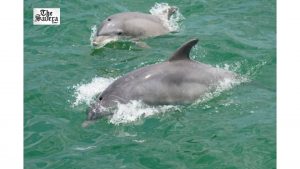
A scientific survey of the southern Gulf of Kachchh has recorded 64 dolphin sightings involving 193 individuals, highlighting...
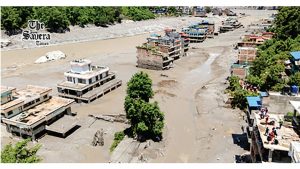
Nepal has proven its resilience in coping with earlier disasters as the country stepped up search and rescue...
Aries: The day will be auspicious...