Last Updated: November 27, 2026
Last Updated: November 27, 2026





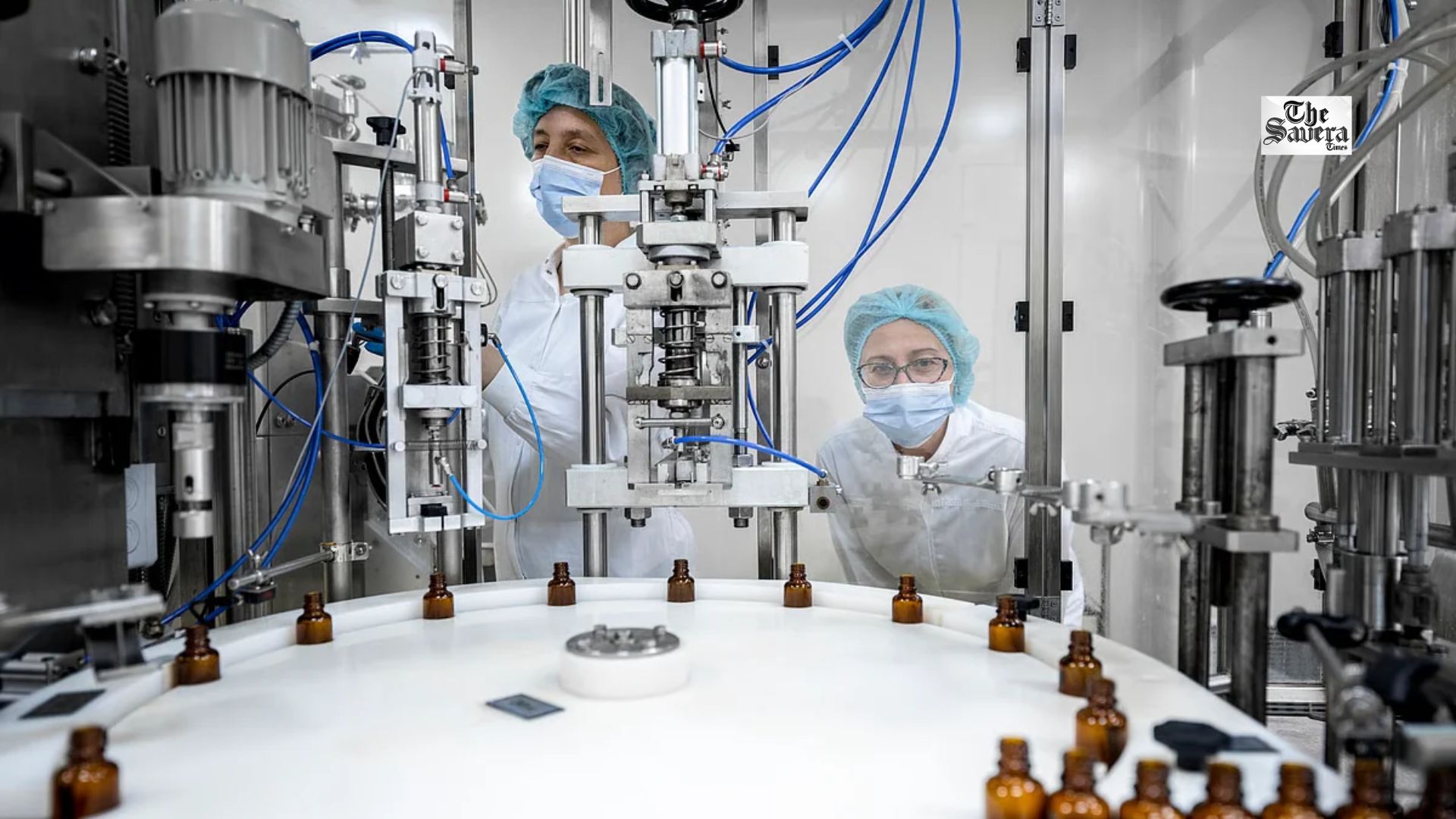
Drug-resistant bacteria do not respect the boundaries of healthcare. Tackling antimicrobial resistance requires action on farms, in pharmaceutical factories and across wastewater systems. When we talk about antimicrobial resistance (AMR), we mostly talk about people. We talk about prescriptions written without culture reports, antibiotics bought over the counter and hospital wards where even last-resort drugs are failing. These concerns are justified. Bacterial AMR was associated with an estimated 4.95 million deaths in 2019. At the United Nations General Assembly in 2024, world leaders committed to reducing this toll by 10 per cent annually by 2030. But AMR cannot be tackled by focusing only on the antibiotics people consume. Resistance pays no heed to the boundaries of healthcare. Antibiotics, resistant bacteria and resistance genes move through animals, food, water, soil and wastewater. The next frontier in AMR prevention lies beyond the patient: on farms, in aquaculture ponds and pharmaceutical factories, and in drains and rivers. Farms are breeding grounds for resistance Food-producing animals received an estimated 99,500 tonnes of antimicrobials worldwide in 2020. That figure is projected to rise to about 107,500 tonnes by 2030. India is among the world’s largest users. Much of this use is not for treating sick animals. Instead, entire flocks, herds and ponds are routinely dosed to prevent diseases made more likely by overcrowding, poor hygiene and weak biosecurity. In some cases, antimicrobials are also used to promote growth. Every such exposure creates selection pressure, favouring resistant bacteria in animals’ guts. A substantial proportion of the antimicrobials administered to animals is subsequently excreted. Manure, poultry litter and aquaculture wastewater can carry drug residues and resistant bacteria into fields and waterways. The antimicrobial classes involved often overlap with those on which doctors rely to treat human infections. Rivers and wastewater spread resistance The environment is often seen as the final destination for antimicrobial resistance. In reality, it is also a place where resistance can emerge, multiply and spread. Wastewater from pharmaceutical manufacturing, hospitals, municipalities and farms converges in drains and rivers. There, environmental bacteria are exposed to antibiotic residues and to one another’s resistance genes, creating opportunities for resistance to emerge and spread. Pharmaceutical manufacturing deserves particular scrutiny from those of us working in the industry. In September 2024, the World Health Organization (WHO) published its first guidance on wastewater and solid waste from antibiotic manufacturing. It noted that pollution from these sources is well documented but remains largely unregulated. I work in antibiotic research and development. Bringing a new antibiotic to patients takes more than a decade. Yet pollution from antibiotic manufacturing can select for and disseminate resistance to the very medicines being developed. That is a poor return on years of scientific effort. India is at the centre of the crisis India sits at the intersection of these pathways. It is one of the world’s largest producers of antibiotics, carries a heavy burden of infectious disease, and has rapidly expanding poultry, dairy and aquaculture sectors. Meanwhile, much of its sewage still enters rivers untreated. Policy action has begun. In September 2025, the health ministry banned 34 antimicrobials for use in animals, following a similar measure for aquaculture in May. The National Action Plan on AMR 2.0, launched in November 2025, adopts a One Health approach. But significant gaps remain. Older, cheaper antibiotics are still widely used on farms, often with little monitoring. Colistin is also reported to remain in use in poultry despite its ban. Proposed limits on antibiotic residues in pharmaceutical effluent appeared in a draft issued in January 2020 but were omitted from the standards notified in August 2021. Much of the recent progress has been driven by export requirements. Indian consumers and Indian rivers deserve the same protection as European buyers. For smallholders in India and many other countries, antibiotics are cheap insurance against inadequate veterinary services. Prevention must therefore be affordable before it can be effectively enforced. Five ways to stop resistance at its source We already ask how to reduce inappropriate antibiotic prescribing. We should also ask how to prevent antibiotics, resistant bacteria and resistance genes from entering the environment in the first place. Five measures would make a substantial difference. Make effluent limits enforceable: Introduce binding limits on antibiotic residues in pharmaceutical manufacturing discharge, and use public procurement to reward manufacturers that comply. Help farmers use fewer antibiotics: Vaccination, better biosecurity, cleaner housing and water, and effective agricultural extension services can reduce disease — and, consequently, the demand for routine antimicrobial use.
US President Donald Trump told American troops that victory over Iran was near and offered Tehran an opportunity...

Punjab and Chandigarh will hold a civil defence mock drill today, with air raid sirens and a simulated...

Iranian Foreign Minister Abbas Araghchi has denied Tehran's involvement in a drone attack in Kuwait that killed two...

A powerful storm swept across the US East Coast on Thanksgiving Day, disrupting flights, causing widespread power outages...

India will host the 25th IORA Council of Ministers Meeting in New Delhi on November 27. The meeting...

The upcoming UN nuclear ban treaty conference offers an opportunity to challenge the dogma of nuclear deterrence. The...

Aries: The day will be auspicious...