Last Updated: October 15, 2026
Last Updated: October 15, 2026





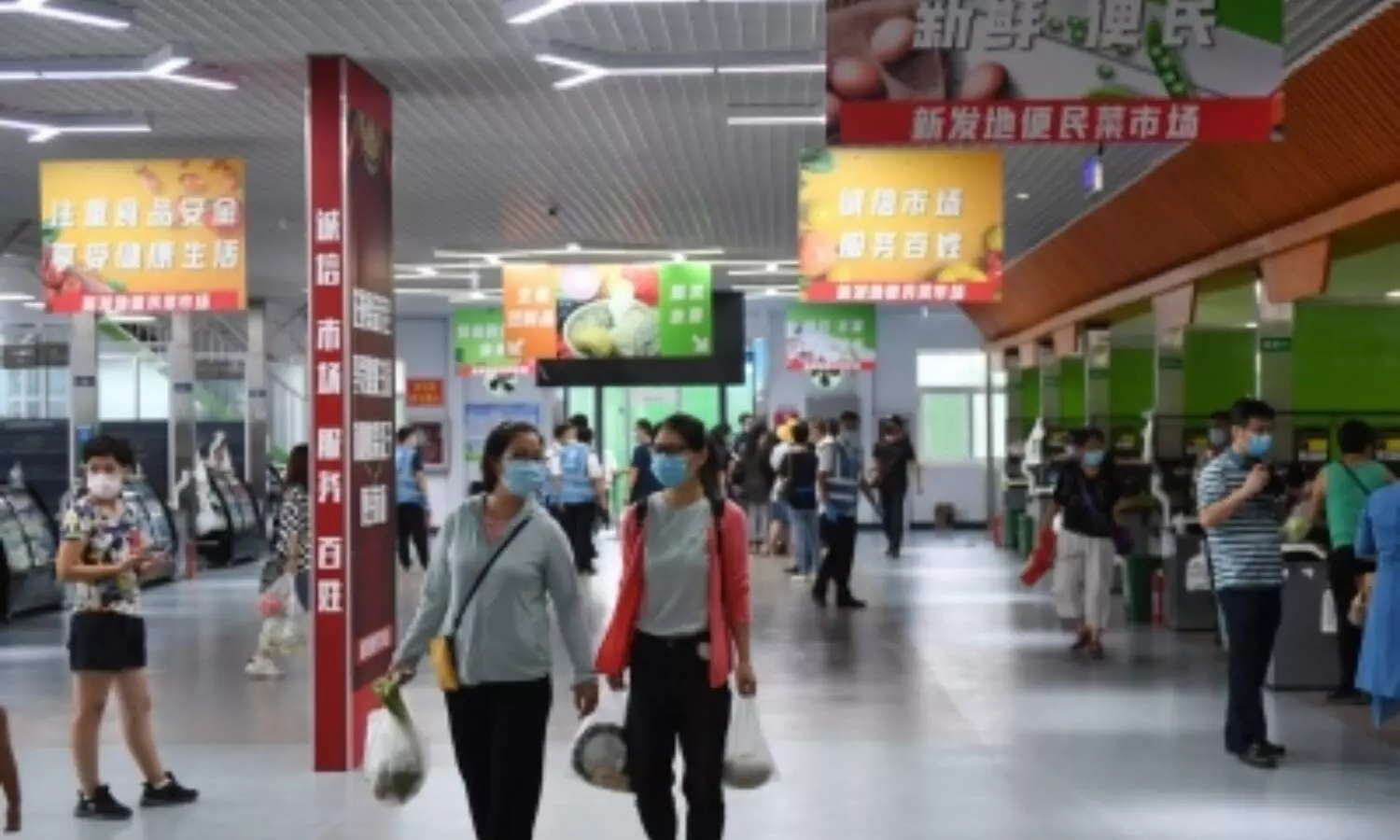
China’s leadership is continuing its “AI plus” initiative, pushing for breakthroughs in frontier technology, building new pillar industries in pursuit of national power while ignoring its weak consumer demand at home, which enables the country to export goods at cheap prices and pile up a trade surplus.
The neglect of the household is a top-down decision, a cost that the Chinese leadership has determined is worth paying for the sectors it counts on for national power.
It points out that the Chinese Politburo’s strategy this year has even dropped the “special initiatives to boost consumption” that were mentioned last year.
The strategy has been adopted despite the fact that the IMF, in its review of China’s economy, proposed that Beijing should spend roughly a trillion dollars finishing the country’s unfinished presold apartments or compensating the buyers.
However, the Chinese leadership said that it planned no additional spending to complete pre-sold housing and that social spending would have to wait on fiscal sustainability.
Some Chinese economists have argued for years for direct transfers, cash, or vouchers being put into consumers’ hands. However, Xi Jinping’s 2021 essay on common prosperity, which still governs policy, warned that the state must never fall into the trap of a welfarism that raises lazy people.
While the Chinese leadership is allocating large-scale funds to finance the country’s technology drive and also focusing on supporting the stock market, this leaves little headroom to fund households, which locks China’s economy onto exports, and exports depend on the exchange rate.
China ran a goods trade surplus of 3.99 trillion yuan in the first half of this year, with exports up 17.6 per cent in dollar terms. This huge surplus could have pushed the yuan much higher than the current 6.79 to the dollar, but China’s leadership is not keen to see it becoming stronger.
The IMF, in its new External Sector Report, has stated that the yuan is around 20 per cent undervalued and noted that state banks appear to have been intervening to slow its rise. China’s motivations go back to the household. An economy holding down domestic consumption needs foreign buyers for what its factories make; a cheap currency is what keeps those buyers and lower exchange rate helps its exports.
If Beijing did the opposite and spent heavily to lift household incomes, Chinese factories would sell more at home, imports would rise, and the trade surplus would shrink.
Jerusalem: The Israel Defence Forces (IDF) said in a statement on Wednesday that it had killed a Hamas...

US President Donald Trump has promised that if the Republican Party retains control of both houses of Congress,...
New Delhi: American singer Mary Millben on Wednesday made an explosive claim about the Delhi protests, alleging that...

Prime Minister Narendra Modi on Wednesday wished Pope Leo XIV a speedy and complete recovery. The Pope underwent...
A large group of Harvard University alumni expressed concern on Wednesday over the alleged negative propaganda and campaign...

US Secretary of State Marco Rubio will visit India and Uzbekistan from October 17 to 22. During his...

Aries: The day will be auspicious...