Last Updated: October 21, 2026
Last Updated: October 21, 2026





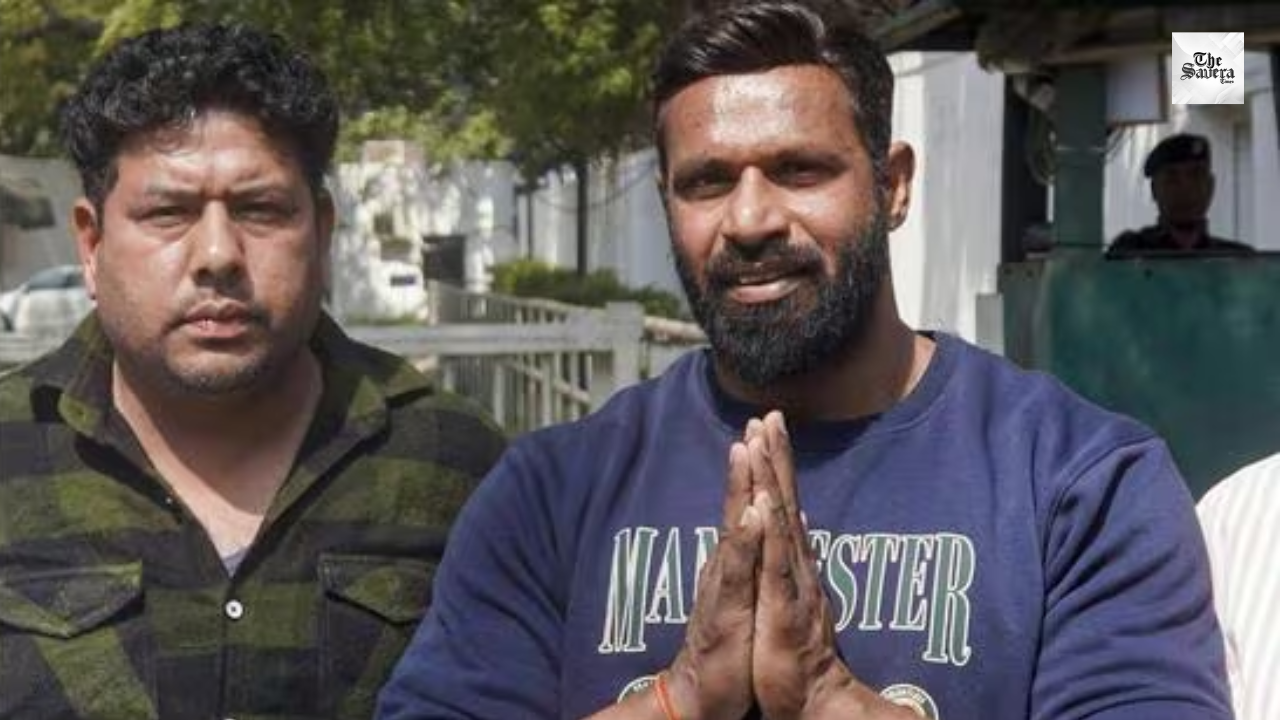
The Uttarakhand High Court has refused to grant relief to Deepak Kumar, popularly known as “Mohammad Deepak,” in connection with the Kotdwar communal dispute case. The court declined his plea to quash the FIR registered against him and issued strict directions during the hearing.
The single bench of Justice Rakesh Thapliyal made it clear that the investigation is still ongoing and that judicial interference at this stage is not warranted.
In a significant move, the High Court imposed a “gag order,” restricting Deepak from posting or making any statements related to the case on social media.
The court observed that public commentary and viral content could influence the investigation and create unnecessary sensationalism. It directed the petitioner to refrain from engaging in online discussions or sharing videos linked to the incident.
The bench also warned that violating this order could amount to contempt of court.
During the hearing, the court strongly criticised Deepak for allegedly trying to sensationalise the matter through social media activity. It remarked that as a “suspected accused,” he should allow the police to conduct a fair investigation instead of influencing public opinion.
The court further questioned his conduct, noting that repeated public statements could hamper the legal process and increase communal tensions.
The case stems from a January 26 incident in Kotdwar, where tensions erupted after objections were raised over a Muslim shopkeeper using the word “Baba” in his shop name.
A viral video from the incident showed Deepak confronting a group allegedly harassing the shopkeeper. During the confrontation, he identified himself as “Mohammad Deepak,” which later triggered widespread debate on social media.
Following the incident, multiple FIRs were registered, including one against Deepak, accusing him of offences such as intimidation, rioting, and disturbing public order.
In his petition, Deepak sought quashing of the FIR, police protection for himself and his family, and action against certain police officials for alleged bias.
However, the court rejected these demands, questioning how a person named in an FIR could seek police protection in the same matter. It also termed some of the requests as an attempt to pressure the investigation.
The bench emphasised that the petitioner must cooperate fully with authorities instead of raising allegations publicly.
The High Court has allowed the police to continue their investigation in accordance with legal guidelines. It also noted that several individuals have already been identified in the case, and further action will depend on the findings of the probe.
Authorities are examining video evidence, witness statements, and other materials to establish the sequence of events.
The Uttarakhand High Court’s order highlights the judiciary’s strict stance on maintaining the integrity of investigations in sensitive cases. By denying relief and imposing a social media restriction, the court has signaled that legal proceedings must remain free from external influence, especially in matters with communal sensitivity.
Akshay Kumar met Uttarakhand Chief Minister Pushkar Singh Dhami in Dehradun to discuss film production opportunities, the state’s...
The Roshnabad District Jail superintendent in Haridwar received WhatsApp death threats allegedly invoking the Lawrence Group, prompting a...
New Delhi: Congress leader and former Uttarakhand Chief Minister Harish Rawat on Saturday denied reports that he had...
Two people died and a woman was rescued after an SUV was swept away by a strong water...

Congress has appointed Sandeep Gupta and Akshit Singh as National Coordinators for its Social Media and Digital Platforms...
Pauri Garhwal: More than 100 students of a private school reached the Divisional Forest Officer (DFO) office in...

Aries: The day will be auspicious...