Last Updated: October 3, 2026
Last Updated: October 3, 2026





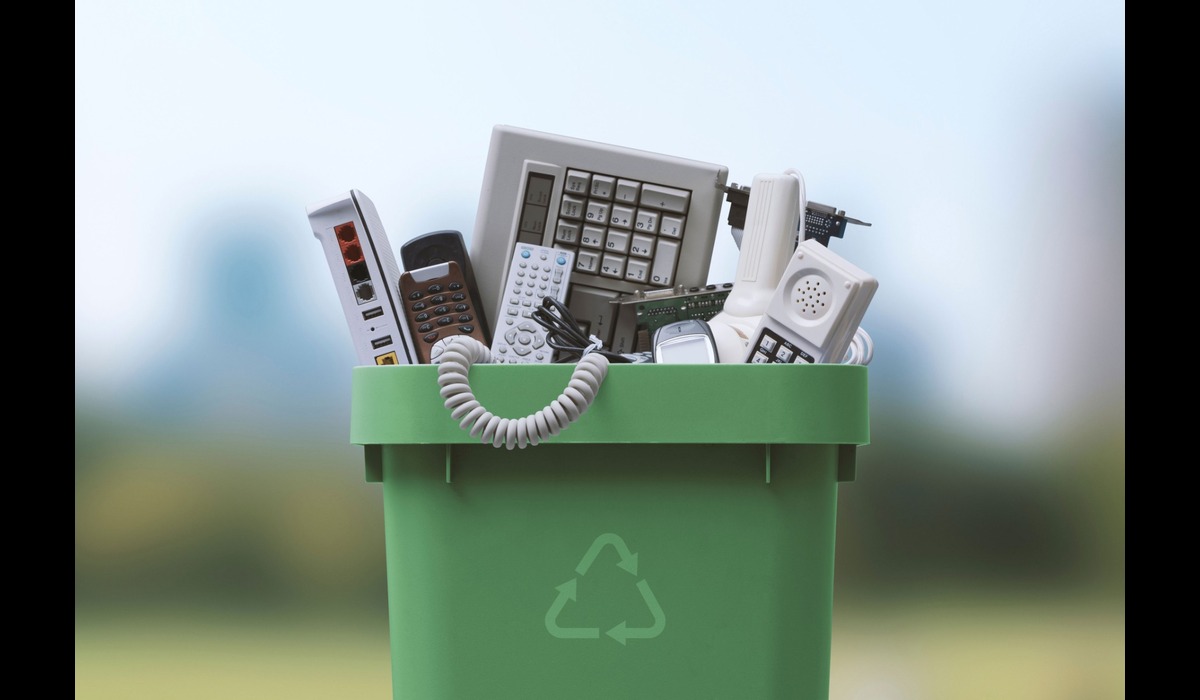
Moradabad, famously known as India’s “Brass City,” has long been renowned for its exquisite brass handicrafts and metalwork. However, recent economic challenges, including a global recession that severely affected demand for brass products, have forced the city to pivot to a new, and highly dangerous, source of livelihood: informal e-waste recycling.
Situated on the banks of the Ramganga river in Uttar Pradesh, Moradabad has transformed into one of the country’s largest informal e-waste recycling hubs, a shift that is bringing serious health and environmental risks to its workers and residents. The decline in brass manufacturing and handicrafts has compelled many skilled workers in Moradabad to turn to dismantling and recycling electronic waste.
This includes a wide range of discarded electronics such as computer monitors, CPUs, remote controls, radios, old mobile phones, and keyboards. The local workforce, previously engaged in crafting brass products, has developed expertise in extracting valuable metals from these e-waste items.
This transformation from brass to e-waste recycling has taken place informally, mostly outside any official regulatory framework. E-waste processing is now largely a home-based business, with entire families participating in different stages of the recycling chain—from dismantling electronic gadgets to extracting metals like copper, silver, and gold.
Most of the dismantling and recycling activities occur in the basements and rooftops of houses, which are ill-equipped to handle the toxic nature of e-waste processing. The methods used for metal recovery are primitive and extremely hazardous. Workers hammer apart circuit boards and other components to recover metals.
They often burn motherboards in open piles, releasing toxic fumes into the air. This practice not only pollutes the surrounding environment but also exposes workers and their families to deadly heavy metals.
In many cases, circuit boards are heated directly over open flames or shallow pans to extract copper. This releases lead fumes, which are highly toxic and can cause severe respiratory and neurological problems.
For extracting gold, workers use acid baths, which emit harmful gases, further endangering their health and contributing to environmental pollution.The informal nature of e-waste recycling in Moradabad means there are no adequate safety measures or protective gear for workers.
Prolonged exposure to toxic substances such as lead, mercury, cadmium, and other hazardous chemicals found in e-waste can lead to chronic illnesses, including respiratory diseases, neurological damage, and even cancer.
Moreover, the toxic residues and chemicals released during e-waste processing contaminate soil and water bodies, including the nearby Ramganga river. This pollution affects not only the workers but also the broader community, leading to long-term environmental degradation.
Moradabad’s shift to informal e-waste recycling highlights the urgent need for better regulation and safer e-waste management practices. The lack of formal recycling infrastructure pushes vulnerable communities into hazardous jobs with little awareness or protection.
Authorities must step up efforts to establish regulated e-waste processing facilities that comply with environmental and occupational safety standards. Additionally, awareness programs are essential to educate workers about the health risks and to provide them with appropriate safety equipment.
There is also a pressing need to create alternative employment opportunities in Moradabad, to reduce reliance on dangerous informal sectors. Economic support and retraining programs could help artisans and workers transition back to safer, sustainable livelihoods.
Moradabad’s deadly dance with e-waste is a stark reminder of the hidden human and environmental costs of electronic waste. While the city grapples with economic changes, it is crucial to protect its people from the toxic consequences of informal e-waste recycling.
Without urgent intervention, the health of thousands of workers and the environment will continue to deteriorate, perpetuating a cycle of poverty and pollution.
New Delhi: Tech giant Apple has said it will tighten controls around Full Disk Access on Mac computers...

Mumbai: Bollywood superstar Salman Khan has lauded Indian pilot Captain Smit Machchhar for his courage and presence of...

Chennai: The Tamil Nadu government is preparing to seek the Centre’s approval for a proposed airport at Manikaneri...

New Delhi: A joint team of the SWAT team and Garhmukteshwar Police in Uttar Pradesh’s Hapur district on...

Good Morning Viewers, start your day with The Savera Times Morning Bulletin, bringing you the latest and biggest...

Jalandhar, Punjab: Congress has appointed Jalandhar Cantonment MLA and former Olympian hockey player Pargat Singh as the new...
Aries: The day will be auspicious...