Last Updated: November 3, 2026
Last Updated: November 3, 2026





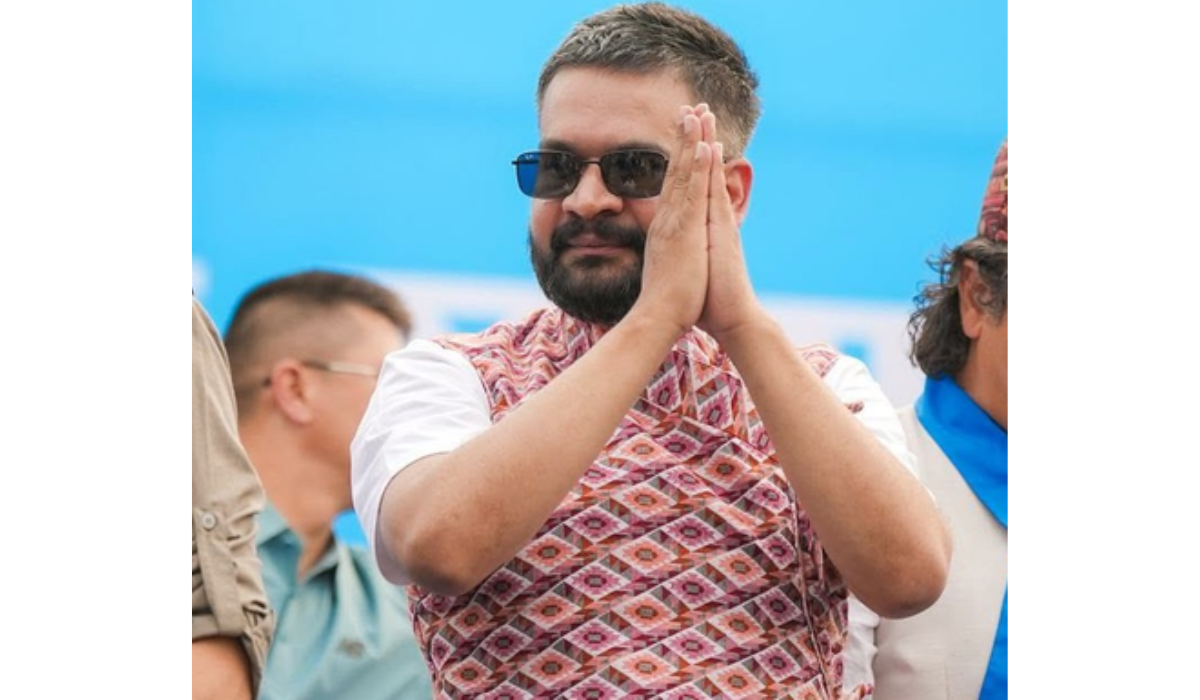
Kathmandu: In a decisive step that shocked many, Nepal’s President Ram Chandra Poudel on Saturday issued an ordinance for the removal of 1,594 political appointees from previous years in a single stroke.
Widespread Impact on Institutions
The move has triggered widespread disruption across Nepal’s administrative sector. Officials across universities, state-owned enterprises, regulatory bodies, councils, boards, research institutes, and media organisations have been dismissed, leaving many institutions without leadership.
Ordinance Ends All Pre-March 26 Appointments
Described as one of the most sweeping administrative overhauls in recent years, the provision in the “Ordinance on Special Provisions Relating to the Removal of Public Officials from Office, 2026” mandates that all appointments made prior to March 26 are automatically terminated, regardless of tenure, benefits, or terms of appointment.
“Notwithstanding anything contained elsewhere in prevailing laws, public officials appointed and currently holding office in public entities as per the schedule prior to March 26 shall be automatically removed from their respective positions upon the commencement of this ordinance,” the document states.
Concerns Over Governance and Leadership Gap
The sweeping move to dismiss so many officials has, however, raised concerns over the functioning of these institutions in the absence of the prompt appointment of new leadership.
The ordinance was issued as per the recommendation of the Cabinet led by Prime Minister Balendra Shah.
Political Changes and Ongoing Controversies
The move follows the March 5 elections that brought the Rastriya Swatantra Party (RSP) to power with a near two-thirds majority in the House of Representatives. Ever since Shah took charge on March 26, the government has introduced several major changes.
Some decisions, including eviction drives in Kathmandu and arrests in money laundering cases involving prominent figures like K.P. Sharma Oli, Sher Bahadur Deuba, and Pushpa Kamal Dahal, have sparked debate.
At the same time, efforts to boost digital governance and improve service delivery have received public appreciation.
Afghanistan has expressed its "serious concern" over reports that the United States intends to transfer certain Afghan refugees...
The United States' decision to waive Russia-linked tariff and sanctions measures on major buyers of Russian-origin oil and...

An Indian sailor was killed and 13 other crew members were rescued after an unidentified aerial object struck...

Two helicopters collided in Solukhumbu, a hilly district in eastern Nepal, on Tuesday morning. One foreign national was...

Iran has indicated that if the US accepts its demands, the Strait of Hormuz could be reopened within...
US President Donald Trump has appealed to voters in five states to vote for Republican Party candidates ahead...

Aries: The day will be auspicious...