Last Updated: October 1, 2026
Last Updated: October 1, 2026





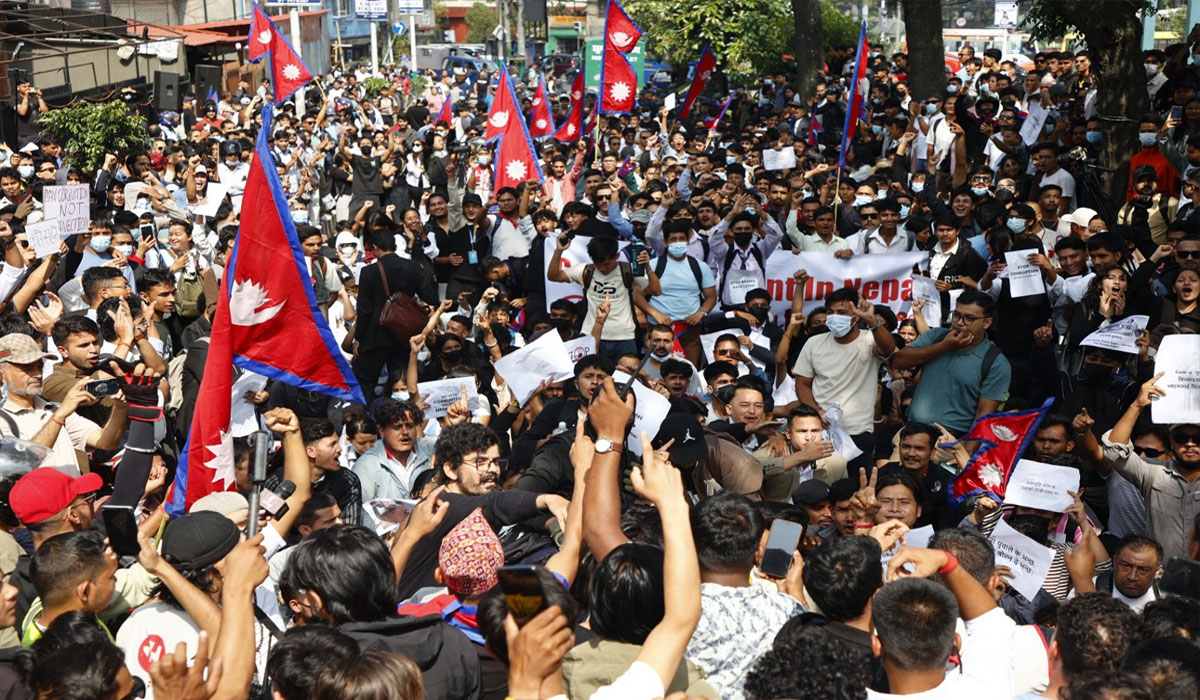
Kathmandu: Nepal’s Gen-Z youth aged between 18 and 30 years entered the Parliament building complex on Monday, protesting against corruption and social media ban.
The army fired several rounds to stop them. According to Kathmandu Post, 19 protesters have died due to bullet injuries. Apart from this, more than 200 youths have also been injured.
Earlier, the police had fired tear gas shells and water cannon to stop the protesters.
According to Nepal Police, there are more than 12 thousand protesters present. They have occupied Gate No. 1 and 2 of the Parliament. Curfew has been imposed in the areas near the Parliament House, the President’s, Vice President and PM’s residences.
Curfew has been imposed in major areas of Kathmandu. Security has been tightened. This is the first case of intrusion into Parliament in the history of Nepal.
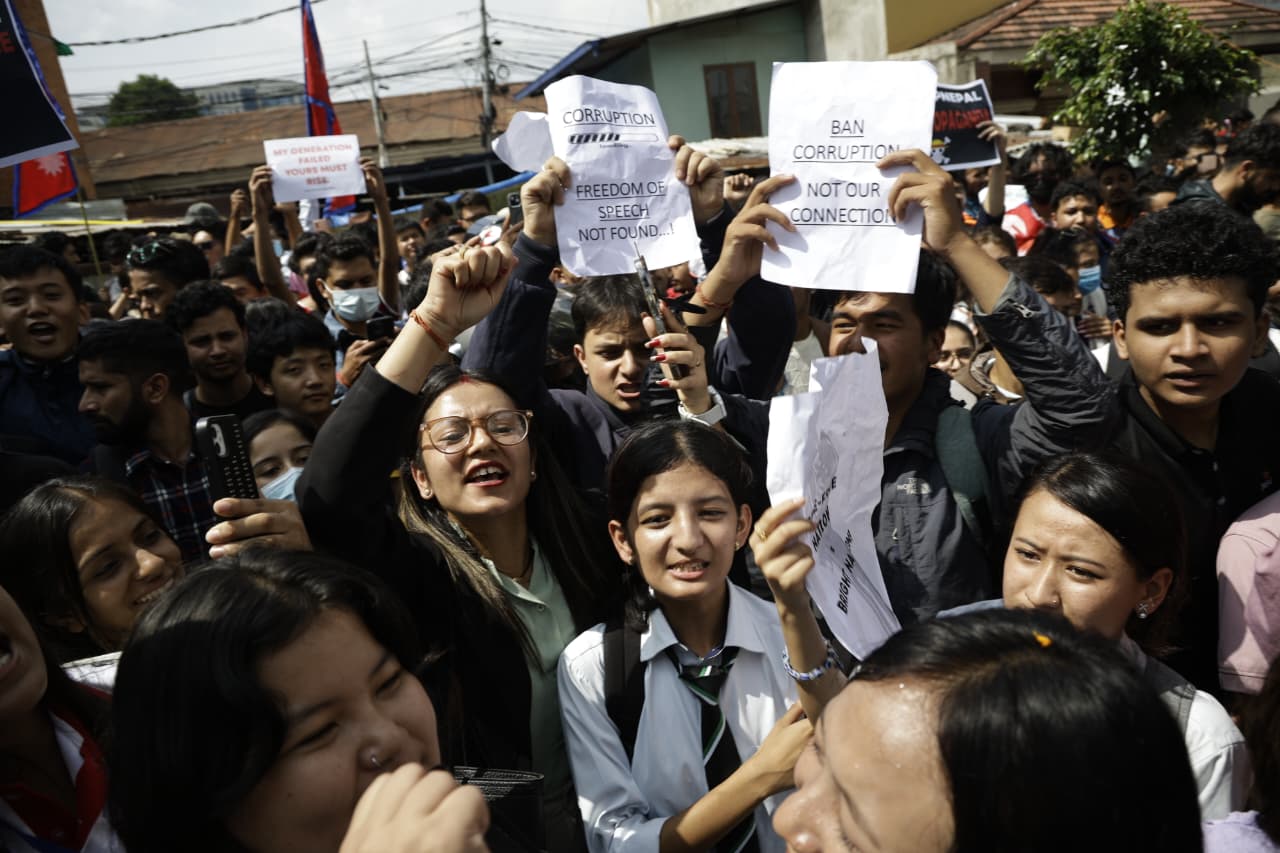
The young protesters, who see a growing erosion of democratic freedoms, have taken to the streets in school uniforms, carrying books and banners denouncing the government’s actions and demanding accountability and transparency. The government, led by Prime Minister KP Sharma Oli, said the ban was imposed after no company met a seven-day deadline to register with the Ministry of Communications and Information Technology.
The deadline came after the Supreme Court issued a directive in a case of contempt of court, directing the government to officially register all domestic and foreign online platforms operating in Nepal with authorities and subject them to monitoring for so-called “unwanted content.” The government’s ‘Directive 2080 on Regulating the Use of Social Media’ requires platforms to appoint a local compliance officer, establish a complaint management mechanism and comply with national laws.
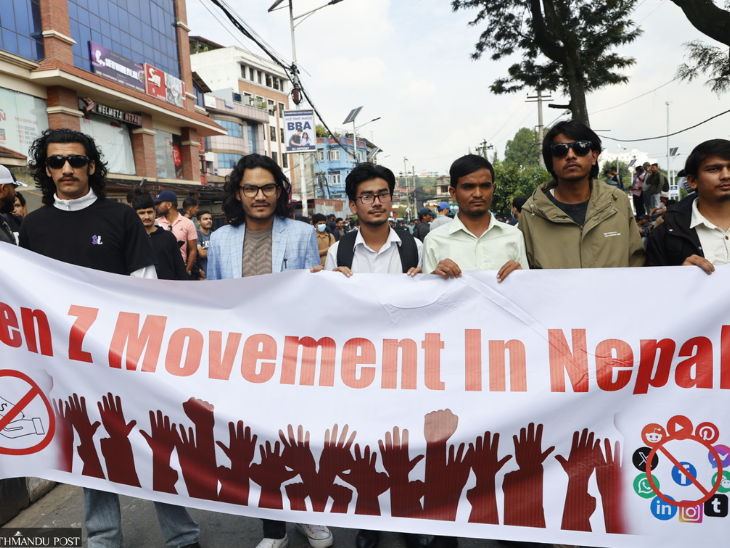
Only a few platforms, including TikTok, Viber, VTalk, Nimbus, Telegram and Global Diary, have complied with the registration process or are in the process of doing so. The rest were later disabled under orders from the Nepal Telecommunication Authority. The sudden ban has caused chaos across Nepal, hurting vital sectors like tourism and small businesses that rely heavily on social media to drive and reach a global audience.
It has also disrupted the daily lives of millions of Nepalis who use platforms like WhatsApp and Messenger to stay in touch with relatives living and working abroad. The sudden disconnection has drawn criticism from human rights organisations, journalists and civil society groups, who argue that the government’s actions pose a serious threat to freedom of speech and digital rights. On Sunday, dozens of journalists protested in the capital, holding banners with messages such as “Social networks not shut, voices not silenced” and “Democracy not hacked, dictatorship back.”
International rights organizations such as the Committee to Protect Journalists and Access Now have condemned the move, calling it overbroad censorship that sets a dangerous precedent for press freedom in Nepal. Meanwhile, hashtags like ‘Nepo Kid’ and ‘Nepo Babies’ have gained traction on other social media platforms, reflecting growing frustration with what many see as elite-led rule and the suppression of dissent.
Prime Minister Oli responded to criticism by defending the government’s decision, saying that national sovereignty and freedom should come before the interests of individuals or companies. In a speech on Sunday, he said, “The freedom of the nation is bigger than the loss of jobs of a handful of individuals. How can it be acceptable to violate the law, disregard the constitution and disrespect national pride, freedom and sovereignty?”
The protests have been growing, gaining nationwide momentum with Gen Z-led demonstrations organised by the youth movement ‘Hami Nepal’. From 9am on Monday, protesters gathered at Maitighar in Kathmandu to protest both the social media bans and the ongoing corruption within the government. The group received official permission for the rally, and its chairperson, Sudhan Gurung, insisted that the protest was not just about digital access, but about protecting the future of Nepal’s democracy.
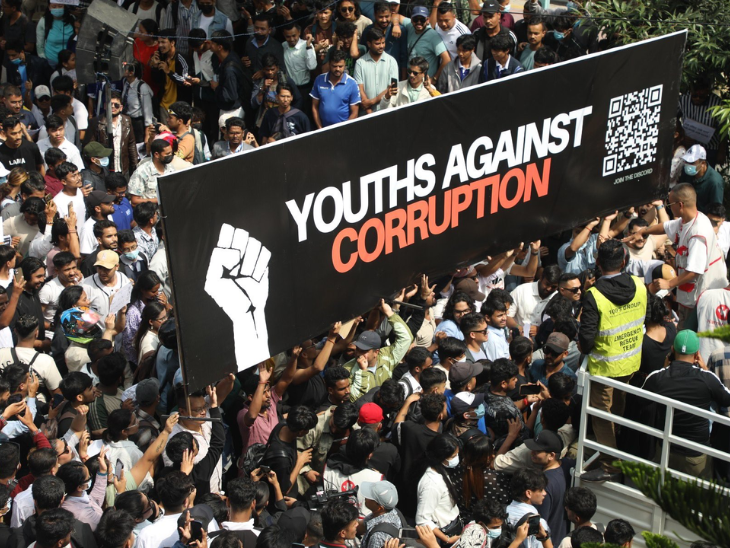
Activists used some of the still-functioning apps to coordinate routes and share safety tips, encouraging students to participate peacefully and visibly, wearing school uniforms and carrying books. While Nepal has traditionally enjoyed relatively free expression, critics warn that recent actions by the Oli government indicate a worrying trend toward authoritarianism.
The draft law currently under debate in parliament could allow the government to impose fines and prison sentences for online content deemed “contrary to the national interest,” close newspapers, and revoke journalists’ licenses. With protests growing both online and on the streets, the coming weeks will be a key test of whether Nepal’s democratic institutions can withstand increasing state control over information and expression.
Also read:
Israel PM Benjamin Netanyahu has claimed that a flydubai pilot wanted to crash the aircraft and praised passengers...

Donald Trump jokingly called Google CEO Sundar Pichai a “monster” during a White House interaction, with Pichai responding...

A spelling error on a White House document linked to Donald Trump’s Super Intelligence initiative has gone viral...
An Indian captain reportedly fought back after an alleged cockpit attack on a flydubai flight, helping avert a...

Washington/Baghdad: The United States and its allies have officially ended ‘Operation Inherent Resolve’ against the Islamic State (IS)...
Telangana-origin lawyer Sandhya Reddy has been elected the 73rd Mayor of Sydney’s Strathfield Council after serving as a...

Aries: The day will be auspicious...