Last Updated: October 9, 2026
Last Updated: October 9, 2026





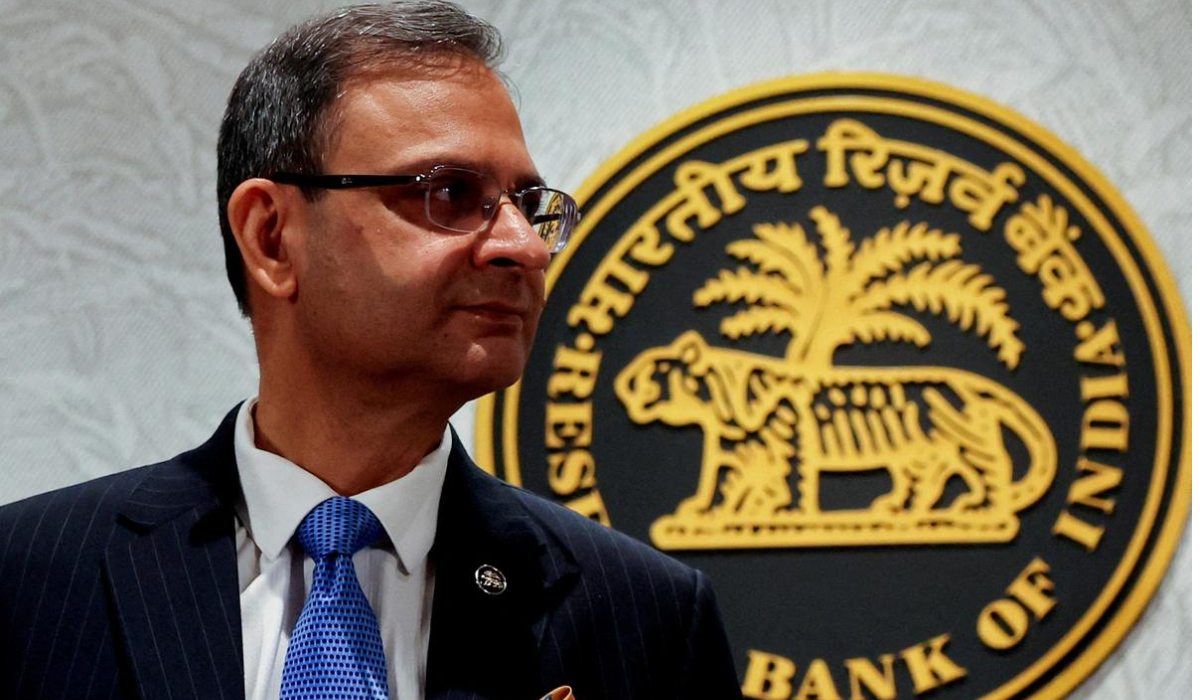
The Reserve Bank announces its monetary policy every two months based on the recommendations of the Monetary Policy Committee. The objective of this policy is to strike a balance between controlling inflation and encouraging domestic and foreign investment—a task the Reserve Bank has been striving to achieve for the past three years and eight months. The Reserve Bank’s primary tool is the repo rate— the rate at which it provides liquidity to commercial banks by repurchasing their bonds and securities. Leveraging this liquidity, commercial banks influence credit creation and market activity through their lending decisions, whether accommodative or restrictive. In the past, when inflationary pressure on India was high, the Reserve Bank adopted a tight credit policy for nearly three and a half years; it repeatedly raised the repo rate, making loans and EMIs costlier and reducing market liquidity in an effort to curb demand and control prices. However, once economic analysts observed that inflation had been brought under reasonable control, the Bank shifted to a more accommodative credit policy to boost investment, progressively lowering the repo rate. The rate dropped from 7 percent to 5.25 percent; yet, during this period, global conflicts disrupted supply chains. Oil and gas supplies were interrupted, forcing India to take various alternative measures. Meanwhile, the US and Western nations decided to reserve jobs for their own citizens. Consequently, Indians aspiring to immigrate found no welcome in these prosperous nations and began returning to India—a country already grappling with rising unemployment. Compounding the situation, the erratic behavior of El Niño this year is adversely affecting India’s economy. These circumstances have dampened market sentiment across the country. The result has been rising inflation. The significant gap between wholesale and retail prices is emerging as a major challenge. Therefore, a decision has now been made to alter the monetary policy after three and a half years. The repo rate—which had been kept unchanged in several previous monetary policy announcements—will now rise from 5.25 percent to 5.50 percent. This will have a direct impact on loans, leading to higher interest rates and increased EMIs for borrowers. On the positive side, however, depositors will earn higher interest rates.
Stay updated with The Savera Morning Brief, bringing you the top headlines from India and around the world,...

Pawan Khera has criticised PM Narendra Modi over US restrictions affecting major IT companies under the PERM programme,...

Jan Suraaj founder Prashant Kishor has questioned the Election Commission's functioning beyond electoral roll revisions and called for...

New Delhi: Counting of votes for by-elections to five Assembly constituencies across Tamil Nadu, West Bengal and Puducherry,...

In Rajasthan politics, a smile can sometimes say more than a speech and sometimes hide more than it...

Narendra Modi assumed office as the Chief Minister of Gujarat on October 7, 2001. In 2014, he expanded...
Aries: The day will be auspicious...