Last Updated: October 21, 2026
Last Updated: October 21, 2026





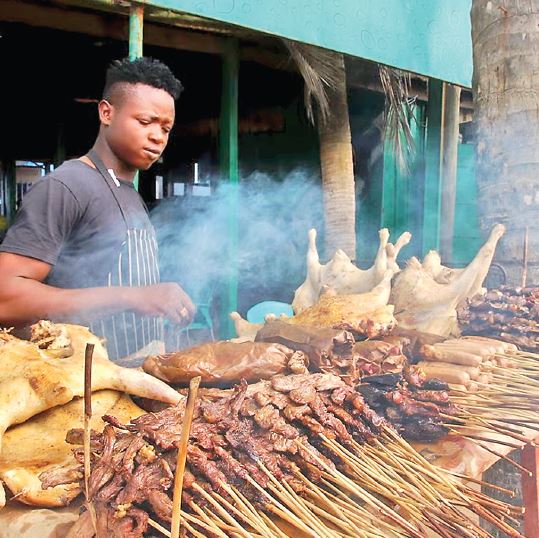
Animal-source foods remain critically under-consumed in the Global South, particularly in sub-Saharan Africa. Average meat intake in this region is approximately 68 grams per person per year, sharply contrasting with around 138 kilograms per person annually in the United States. This low consumption contributes to widespread micronutrient deficiencies, including anaemia, which affects a significant proportion of women of reproductive age.
These foods are dense in essential nutrients, supplying vitamins and minerals often lacking in local diets. Animal-source foods provide vitamin A, iron, zinc, and folate, as well as high-quality protein essential for growth, development, tissue repair, and cell replication. For children, adolescents, and pregnant women, adequate protein intake is especially important for brain development, nervous system function, fetal growth, and postnatal recovery. Protein from animal sources also has a high satiety value, helping manage hunger and reduce overeating—a factor increasingly relevant amid rising rates of overweight and obesity in the region.
Globally, initiatives to eliminate trans-fatty acids aim to improve public health. However, blanket recommendations that fail to differentiate between industrially produced trans fats and naturally occurring trans fats in animal-source foods risk undermining nutritional outcomes in regions already facing dietary deficiencies. Removing or discouraging these foods without nuanced guidance could reduce access to nutrients essential for physical and cognitive development.
Beyond addressing undernutrition, animal-source foods play a role in managing multiple forms of malnutrition, including stunting, micronutrient deficiencies, and overweight. Their combination of protein quality, essential vitamins, and minerals makes them a critical component of diets where other sources of these nutrients may be limited or unavailable. Policy frameworks must therefore consider the context-specific nutritional needs of populations in sub-Saharan Africa rather than applying universal restrictions.
In short, animal-source foods are not merely dietary options but vital contributors to overall health and development. While reducing industrial trans fats is important for public health, care must be taken to preserve access to naturally nutrient-rich foods that support growth, immunity, and cognitive function. Policies addressing global nutrition must strike a balance between eliminating harmful fats and maintaining essential nutrient intake in regions where food diversity and availability remain limited.
Start your day with The Savera Morning Brief, bringing you the latest news from India and around the...

Union Home Minister Amit Shah will pay tribute to police martyrs at the National Police Memorial in New...

Four more people, including two women, have been arrested in the Tiger Shroff firing case. Delhi Police are...

We are very proud that at present India is the number one country in the world by surpassing...

Every investor wants the wealth-creating power of equity and the reassuring stability of debt. Balanced Advantage Funds attempt...

Tourism is a major source of government revenue in our country. There are different types of tourism. Scenic...

Aries: The day will be auspicious...