Last Updated: October 24, 2026
Last Updated: October 24, 2026





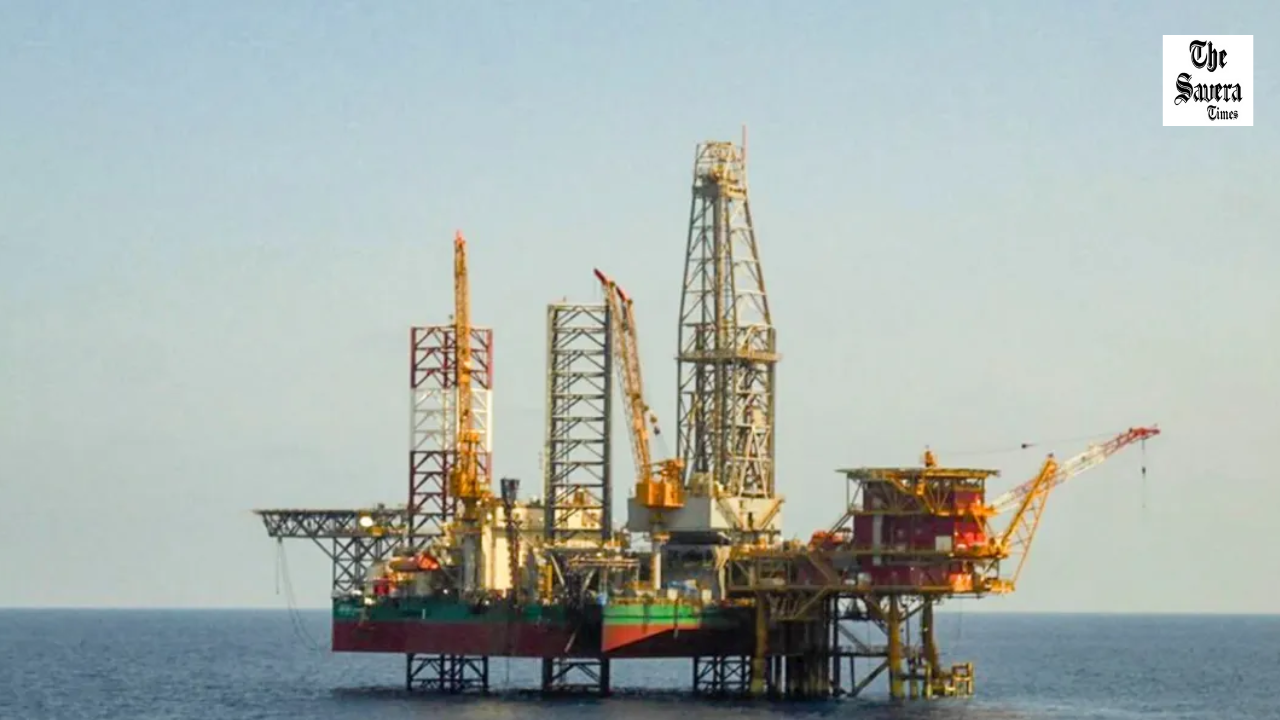
Global energy markets have been thrown into turmoil as crude oil prices surged to around $100 per barrel, triggered by the escalating war involving Iran. The sudden spike reflects fears that the conflict could disrupt oil supplies from the Middle East, a region that produces a significant portion of the world’s crude oil.
Brent crude, the international benchmark for oil prices, rose more than 9% to about $100.46 per barrel, marking one of the sharpest increases in recent years. Analysts say the surge was fueled by concerns that the war could block critical shipping routes or damage key oil infrastructure in the Persian Gulf.
Energy experts warn that the crisis could worsen if tensions continue, potentially pushing oil prices even higher in the coming weeks.
The surge in oil prices has triggered a widespread sell-off in global stock markets. Major indexes across the United States, Asia and Europe fell sharply as investors reacted to rising energy costs and economic uncertainty.
On Wall Street, the Dow Jones Industrial Average dropped about 739 points, while the S&P 500 fell 1.5% and the Nasdaq declined 1.8%. Similar declines were seen in Asian markets, where Japan’s Nikkei and South Korea’s Kospi also slipped significantly.
Higher oil prices typically increase production and transportation costs for businesses, which can reduce corporate profits and slow economic growth. As a result, investors often move away from stocks during such crises.
One of the biggest concerns driving the oil rally is the situation around the Strait of Hormuz, a narrow but vital waterway through which roughly 20% of the world’s oil supply passes. Any disruption in this route could severely affect global energy markets.
Reports suggest that tensions and attacks on shipping in the region have already disrupted tanker movements, raising fears that oil exports from several Gulf countries could be restricted.
Energy analysts say that even a temporary shutdown of this route could send oil prices sharply higher and trigger supply shortages worldwide.
In response to the crisis, the International Energy Agency (IEA) announced plans to release about 400 million barrels of oil from global emergency reserves to stabilize the market. However, experts say the move may only partially offset supply disruptions if the conflict continues.
Several oil-producing countries are also trying to redirect shipments through alternative routes, but logistics challenges remain.
The surge in energy prices has raised fears of higher inflation and slower global growth. Economists warn that expensive fuel could increase transportation costs, push up food prices and strain household budgets.
Financial analysts say prolonged instability in the Middle East could even lead to stagflation a combination of slow economic growth and high inflation if oil prices remain elevated for a long period.
For now, global markets remain highly volatile as investors closely watch developments in the Iran conflict.
If diplomatic efforts fail and tensions escalate further, analysts warn oil prices could rise beyond $120 or even $150 per barrel, potentially creating a severe shock for the global economy.
Until a clear resolution emerges, energy markets and stock exchanges around the world are likely to remain under pressure.
Catch up on the biggest developments across India and around the world with The Savera Afternoon Bulletin, covering...

Jamia Millia Islamia has moved all classes online until further notice as students continue their hunger strike and...

An 18-year-old Class 12 student died after being found burnt at a school in Delhi’s Krishna Nagar. Police...

SEBI has directed Avadhut Sathe Trading Academy and its founder to refund ₹546.17 crore over unregistered investment advisory...

Dr Sajjan Singh Yadav will take over as Jammu and Kashmir Chief Secretary on November 1. He will...

Six people, including five members of a family, died after their car collided with a truck in Churu,...

Aries: The day will be auspicious...