Last Updated: October 16, 2026
Last Updated: October 16, 2026





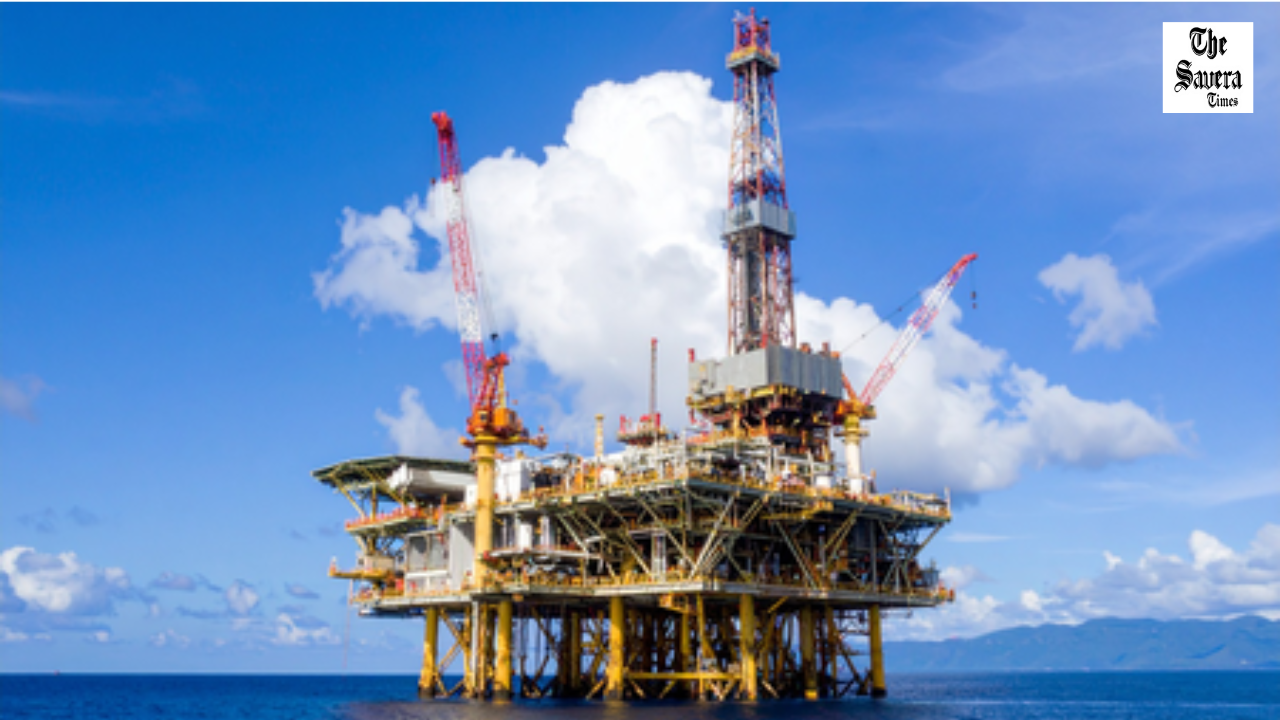
Global crude oil prices have surged past the $100 per barrel mark for the first time in several years as escalating tensions involving Iran have shaken international energy markets. The sharp rise reflects growing fears that the ongoing conflict in the Middle East could severely disrupt global oil supplies and shipping routes.
Analysts say the sudden jump in prices is largely driven by instability in the region and concerns that major oil-producing countries could face production disruptions. The surge has triggered volatility in global financial markets, with investors closely monitoring the geopolitical situation.
The rise in oil prices is linked to escalating military tensions involving Iran and its regional adversaries. Several energy facilities have reportedly been targeted in strikes, while shipping routes in the Persian Gulf have been disrupted.
A key factor behind the price spike is uncertainty surrounding the Strait of Hormuz, a crucial maritime corridor through which roughly 20% of the world’s oil supply passes. Any disruption in this route can immediately impact global energy markets and push prices higher.
As tensions intensify, many oil tankers and shipping companies have reduced or suspended operations in the area due to safety concerns.
Benchmark crude oil prices have surged dramatically during the crisis. Reports indicate that Brent and West Texas Intermediate (WTI) crude rose above $100 per barrel, marking the highest levels since the global energy shock in recent years.
Some market estimates suggest oil prices have jumped by more than 25–30 percent within a short period as traders react to the geopolitical turmoil.
Energy experts warn that if the conflict continues or spreads across the Middle East, prices could climb even higher in the coming weeks.
The surge in oil prices has already begun affecting global financial markets. Stock markets in several countries experienced sharp declines as investors worried about rising energy costs and potential supply shortages.
Higher oil prices typically increase transportation and production costs for industries worldwide, which can lead to higher inflation. Economists warn that prolonged energy disruptions could slow economic growth and increase pressure on governments and central banks.
At the same time, shares of energy and defence companies have risen as investors anticipate increased demand in those sectors.
Experts say that sustained oil prices above $100 could have serious consequences for the global economy. Rising fuel prices can affect transportation, manufacturing, and everyday consumer expenses.
Countries that rely heavily on oil imports especially in Asia may face higher import bills and inflationary pressures. Meanwhile, energy-exporting countries could benefit from higher revenues.
If tensions persist or escalate further, analysts warn that global energy markets may experience prolonged instability, potentially leading to slower economic growth worldwide.
While some leaders have downplayed the spike as temporary, market experts remain cautious. They say that geopolitical developments in the Middle East will continue to influence oil prices in the coming weeks.
Much will depend on whether diplomatic efforts succeed in reducing tensions or if the conflict expands further. Until then, global energy markets are expected to remain volatile.
Air India and Air India Express have suspended flights to Riyadh, Jeddah and Dammam until October 20. IndiGo...

Manjit Singh Bedi, 64, has been returned to the United States after being arrested in India. He faces...

A Houthi attack on the al-Maashiq Presidential Palace in Aden killed five people and injured 16, amid intensifying...
A shooting at Silver Rail Elementary School in Bend, Oregon, left three children and a teacher dead. The...

Prime Minister Narendra Modi will visit Canada on December 11-12, 2026, with both countries aiming to strengthen strategic...

US Vice President JD Vance has warned that anyone found selling access to the White House should face...

Aries: The day will be auspicious...