Last Updated: October 21, 2026
Last Updated: October 21, 2026





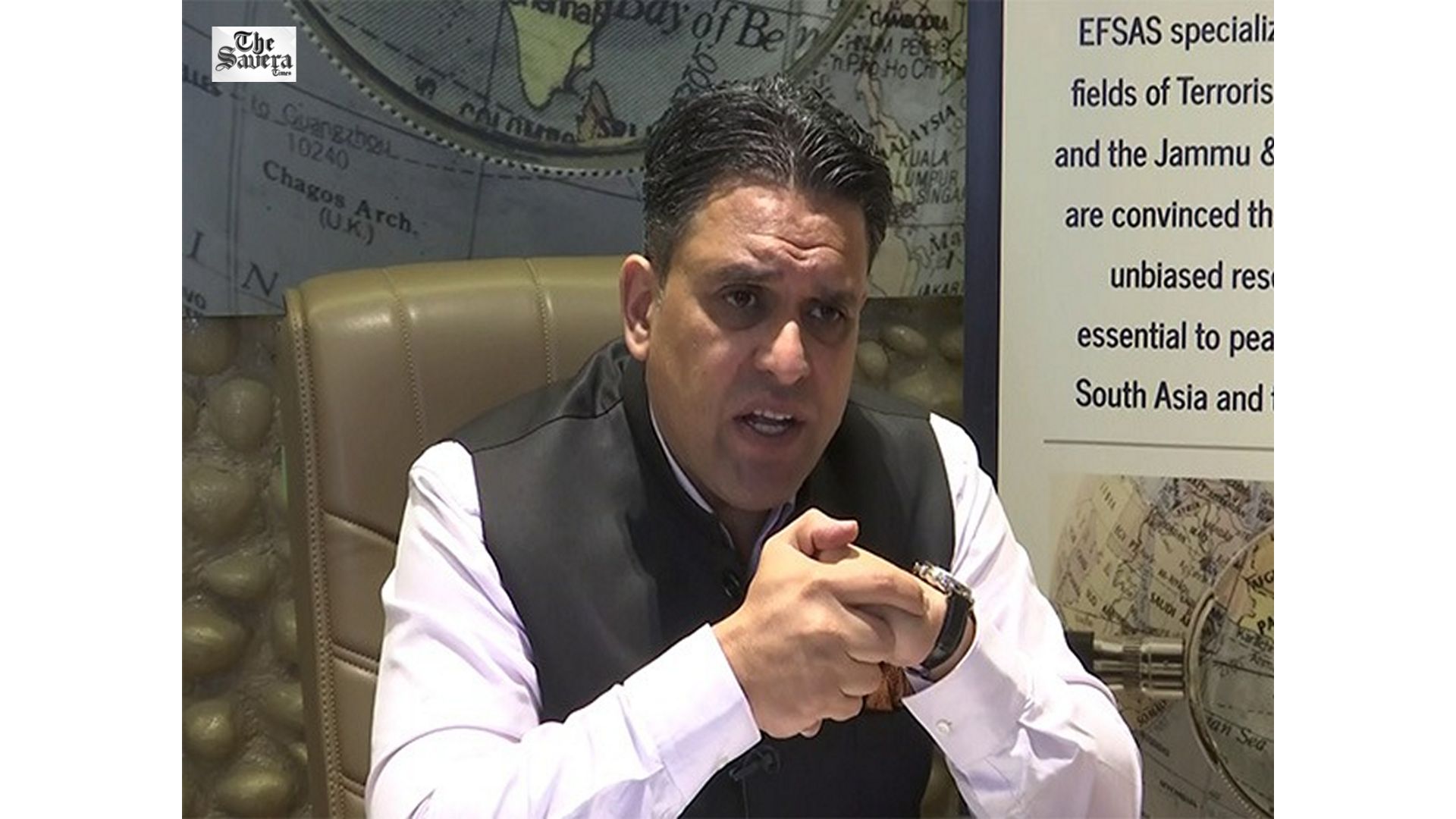
Srinagar, April 18: Director of the European Foundation for South Asian Studies, Junaid Qureshi, said that as one year passes since the deadly terror attack on tourists in Pahalgam, voices across Kashmir continue to express grief, concern and a demand for decisive action against terrorism and its ecosystem. “No matter how we try to spin it, we must face the reality,” he said, describing the incident as a targeted act of violence against tourists.
Qureshi, who is also an analyst from the Kashmir Valley, alleged external involvement behind such attacks, stating, “These organisations are sponsored, trained, and funded by Pakistan,” and warned that such incidents aim to disrupt peace and development efforts in Jammu and Kashmir.
At the same time, he stressed the need for collective responsibility within Kashmiri society. “As Kashmiris, while we condemn this attack, we must make it absolutely clear to the world that Pakistan has nothing to do with us,” he said, adding, “We Kashmiris do not subscribe to ‘their’ Islam.”
A Srinagar-bound bus with a Jammu and Kashmir registration number was attacked with stones outside the Divine Star...

An encounter broke out in Jumgund in Jammu and Kashmir's Kupwara district after troops detected suspicious movement near...

Higher reaches of Jammu and Kashmir received the season’s first snowfall, covering Doda, Gurez Valley and Pir Ki...

Several high-altitude areas in Jammu and Kashmir have received the season's first snowfall in the past 24 hours....
Jammu: Joint security forces recovered a cache of arms and ammunition during a search operation in Jammu and...
Kashmir’s handicraft industry is on a path to revival after the turbulent years of militancy and the Covid-19...
Aries: The day will be auspicious...