Last Updated: November 24, 2026
Last Updated: November 24, 2026




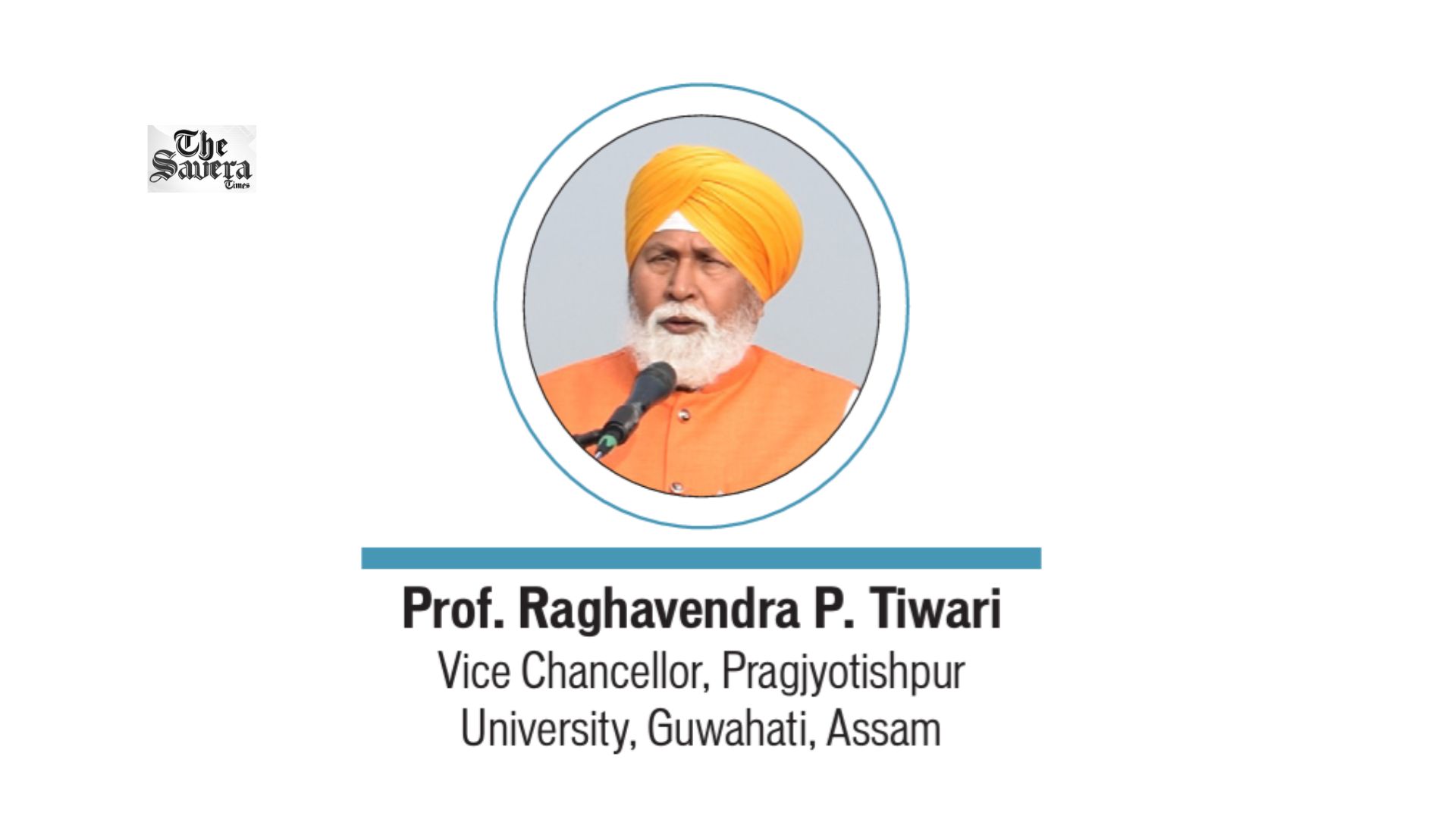
Punjab’s challenge is to build a future worthy of its glorious heritage by translating its enduring values of spirituality, selfless service and courage into meaningful responses to contemporary social, economic and environmental challenges.Sri Guru Nanak Dev Ji’s teachings transcend religious observance and ceremonial remembrance. By challenging injustice and social hierarchies, they placed human dignity at the heart of society, urging us to translate our beliefs into meaningful action.Punjab’s gloriousheritage holds true value when it goes beyond commemoration to address social polychotomy, economic insecurity and environmental decline, shaping public priorities and improving everyday lives.Punjab must move beyond preserving its legacy to rebuilding its present. The Moral Architecture of a Progressive Society Guru Nanak Dev Ji’s philosophy offers an ethical framework linking individual conduct with collective welfare. Naam Japna promotes spiritual awareness, Kirat Karni upholds honest labour, and Vand Chhakna emphasises sharing prosperity. Together, these principles challenge inequality, dishonesty and self-driven progress. Their relevance today lies in ensuring that economic progress is inclusive, public welfare accountable and spiritual devotion grounded in compassion. Punjab’s renewal must therefore extend beyond income and infrastructure to embrace secure livelihoods, stronger institutions, healthier communities and shared responsibility. Giving the Next Generation a Reason to Believe Restoringyouth confidence is among Punjab’s most urgent challenges. Drug addiction, unemployment and migration reflect a growing uncertainty about the future. Addressing addiction requires prevention, accessible healthcare, counselling and rehabilitation, alongside strict action against drug trafficking and compassionate support for those affected. Gurdwaras, educational institutions, healthcare providers and local administrations can help families and youth rebuild their lives. Equally important are opportunities in education, innovation. entrepreneurship, sports and meaningful employment. Punjab must create a future where youth can explore potential at home and seeking help is met with understanding, not stigma. Rebuilding the Meaning of Prosperity Punjab’s agricultural achievements and industrious spirit must now be matched by a broader vision of prosperity. Farmers face rising costs, debttrap and market uncertainty, while industrial growth and skilled employment must provide youth alternatives to migration. The principle of Kirat Karni calls for dignified work, fair wages and sustainable livelihoods. Investment in food processing, agricultural technology, renewable energy and modern manufacturing can create opportunities, provided it is supported by effective training and infrastructure rather than election rhetoric. Progress must be measured not merely by investment, but by job quality, rural resilience and inclusive growth. Vand Chhakna further reminds us that prosperity is meaningful when its benefits are shared widely rather than concentrated among few elite groups. Guru Nanak Dev Ji challenged social hierarchies that undermine human dignity, a message still relevant wherever caste, gender or economic status determines opportunity. The traditions of Sangat, PangatandLangar embody equality and fellowship, ideals that must extend into schools, workplaces and public institutions through fair access, equal rights and protection against discrimination. Punjab’s environmental challenges expose the cost of prioritising short-term gains over long-term wellbeing. Groundwater depletion, soil degradation and air pollution threaten livelihoods and public health. Achieving environmental sustainability requires water conservation, groundwater recharge, sustainable farming and effective pollution control. Farmers need viable alternatives, financial support and technical assistance to adopt better practices. Government, industry and consumers must also share responsibility for protecting natural resources. Religious organisations can promote service, universities can nurture responsible citizenry, businesses can create dignified employment, and communities can contribute to local solutions. Such collaboration must strengthenthe government’s responsibility, ensuring that shared responsibility goes hand in hand with clear accountability. The deepest tribute to Sri Guru Nanak Dev Ji will not be measured by the scale of a celebration or the eloquence of a commemorative address. It will be reflected in the conditions under which people live and the possibilities available to the generations that follow. Guru Nanak Dev Ji’s enduring legacy lies in connecting spiritual conviction with human conduct, urging society to measure progress by its achievements, compassion and responsibility towards future generations. Punjab’s rich heritage, community solidarity and resilience can drive renewal when supported by meaningful reforms, credible leadership and public participation. Tradition and change must complement each other, with honest work, equality, compassion and environmental responsibility guiding development. Punjab’s future depends on the choices made today and the opportunities created for tomorrow. To honour the Guru Sahib is to build a society where his vision of human dignity is practised, not merely remembered or professed.Punjab’s true renewal will begin when spiritual heritage becomes social responsibility and remembrance becomes measurable change.And, Punjab can do it.
What should a historic city aspire to become after completing 450 years of its existence? How can its...
On November 22, even as the diplomatic chill between New Delhi and Islamabad remained at its deepest following...
The Counter Intelligence Wing of the Punjab Police has busted a cross-border drug smuggling network in Amritsar.

The Enforcement Directorate has summoned AAP MLA Ladi Dhons, Moga MLA Amandeep Kaur Arora, her husband and several...

Former Ghanaur MLA Madanlal Jalalpur has been reinstated in the Congress after Pargat Singh revoked his suspension. The...
Political discussions are underway over a possible alliance between Waris Punjab De, Akali Dal (Punar Surjit) and the...