Last Updated: October 24, 2026
Last Updated: October 24, 2026





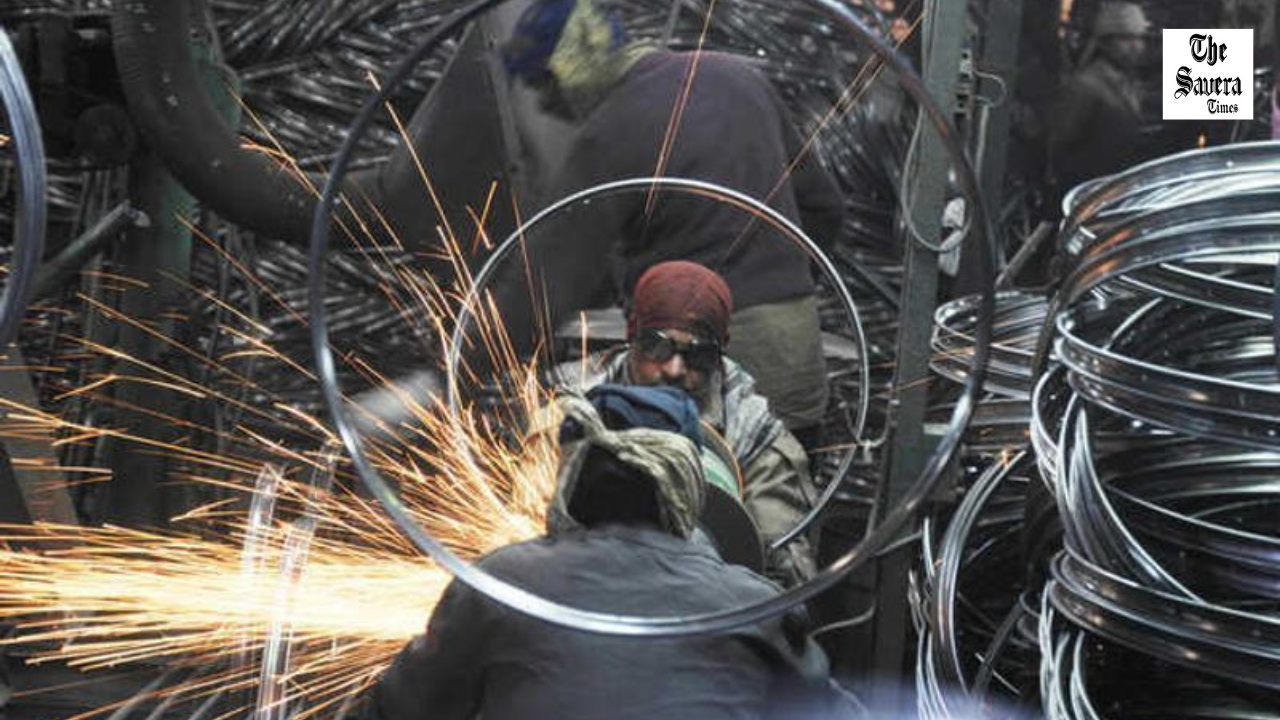
The Punjab government has unveiled its new Industrial Policy 2026, aiming to attract fresh investments, strengthen manufacturing and generate employment across the state. The policy is designed to make Punjab a more competitive destination for businesses by offering flexible incentives, faster clearances and sector-specific support for industries.
Officials say the policy reflects the state’s renewed push toward industrialization and economic growth. It is expected to encourage both domestic and international investors to establish manufacturing units and expand existing businesses in Punjab.
One of the most notable features of the policy is the flexibility given to investors to design customized incentive packages based on their project requirements.
For the first time, the policy allows investors to choose from around 20 different incentive options and create a customized incentive package suited to their investment plans.
These incentives include a mix of fiscal and non-fiscal benefits aimed at improving the ease of doing business in the state. The goal is to ensure that companies from different sectors can tailor support mechanisms according to their operational needs.
Key incentives highlighted in the policy include:
Multiple incentive options allowing investors to create customized packages
Support for environmentally sustainable technologies
Financial assistance for industrial infrastructure upgrades
The government hopes that such flexibility will make Punjab more attractive compared with other competing industrial states.
A major highlight of the policy is the focus on environmentally sustainable industrial practices. The government has introduced special incentives for industries adopting green technologies and cleaner production systems.
Among the new measures:
A fixed capital subsidy of up to ₹20 crore for industries installing Zero Liquid Discharge (ZLD) systems, which help treat and recycle wastewater.
A subsidy of up to ₹7.5 crore for industries shifting to paddy straw-based boilers, an initiative aimed at reducing stubble burning in the state.
These incentives are expected to encourage industries to adopt eco-friendly technologies while addressing environmental issues such as water pollution and crop residue burning.
The government plans to complement the umbrella industrial policy with separate policies for 24 industrial sectors.
These sector-specific policies will provide targeted support and incentives tailored to the unique needs of each industry.
Key sectors expected to benefit include:
Manufacturing and engineering
Renewable energy
Pharmaceuticals and chemicals
Information technology and digital services
Advanced manufacturing and logistics
By offering focused support to different industries, the government aims to build stronger industrial clusters and attract large-scale investments.
The policy also emphasizes improving the ease of doing business in Punjab. The government is working to streamline regulatory procedures and speed up project approvals for industrial units.
Officials have indicated that clearance timelines for industrial projects could be significantly reduced, helping companies start operations faster. Simplified processes improved digital systems and coordinated approvals are expected to reduce bureaucratic delays.
Additionally, the state is encouraging the private sector to develop industrial parks, which could further accelerate industrial expansion and infrastructure development.
Alongside the policy launch, the Punjab government has begun actively reaching out to major industrial groups to promote investment opportunities in the state.
Industry Minister Sanjeev Arora recently held meetings with prominent business leaders and companies to discuss potential collaborations across sectors such as renewable energy, digital infrastructure and advanced manufacturing.
The government is also preparing for major investor engagement events, including the Progressive Punjab Investors’ Summit, aimed at showcasing the state’s industrial potential.
The new industrial policy is part of Punjab’s broader strategy to strengthen economic growth, increase manufacturing output and generate employment opportunities for youth.
By combining flexible incentives, green technology support and sector-specific policies, the state hopes to revive industrial activity and position Punjab as a key manufacturing and investment hub in northern India.
If successfully implemented, the policy could lead to increased private investment, improved infrastructure and stronger industrial clusters across the state in the coming years.
Every time the paddy crop ripens and the harvesting process is completed, the paddy is brought to the...

The Bani of the Guru Sahibans recorded in Sri Guru Granth Sahib Ji shows human beings the path...

Punjab Chief Minister Bhagwant Singh Mann claimed in the Assembly on Friday that the central government first denied...
BJP leader Kewal Singh Dhillon has criticised the Punjab government over its Assembly priorities, raising the killing of...
The Punjab Assembly on Friday unanimously passed a resolution to protect the voting rights of eligible citizens during...
Chief Minister Bhagwant Mann has hit back at Union Home Minister Amit Shah's statement regarding the drug problem...
Aries: The day will be auspicious...