Last Updated: October 10, 2026
Last Updated: October 10, 2026





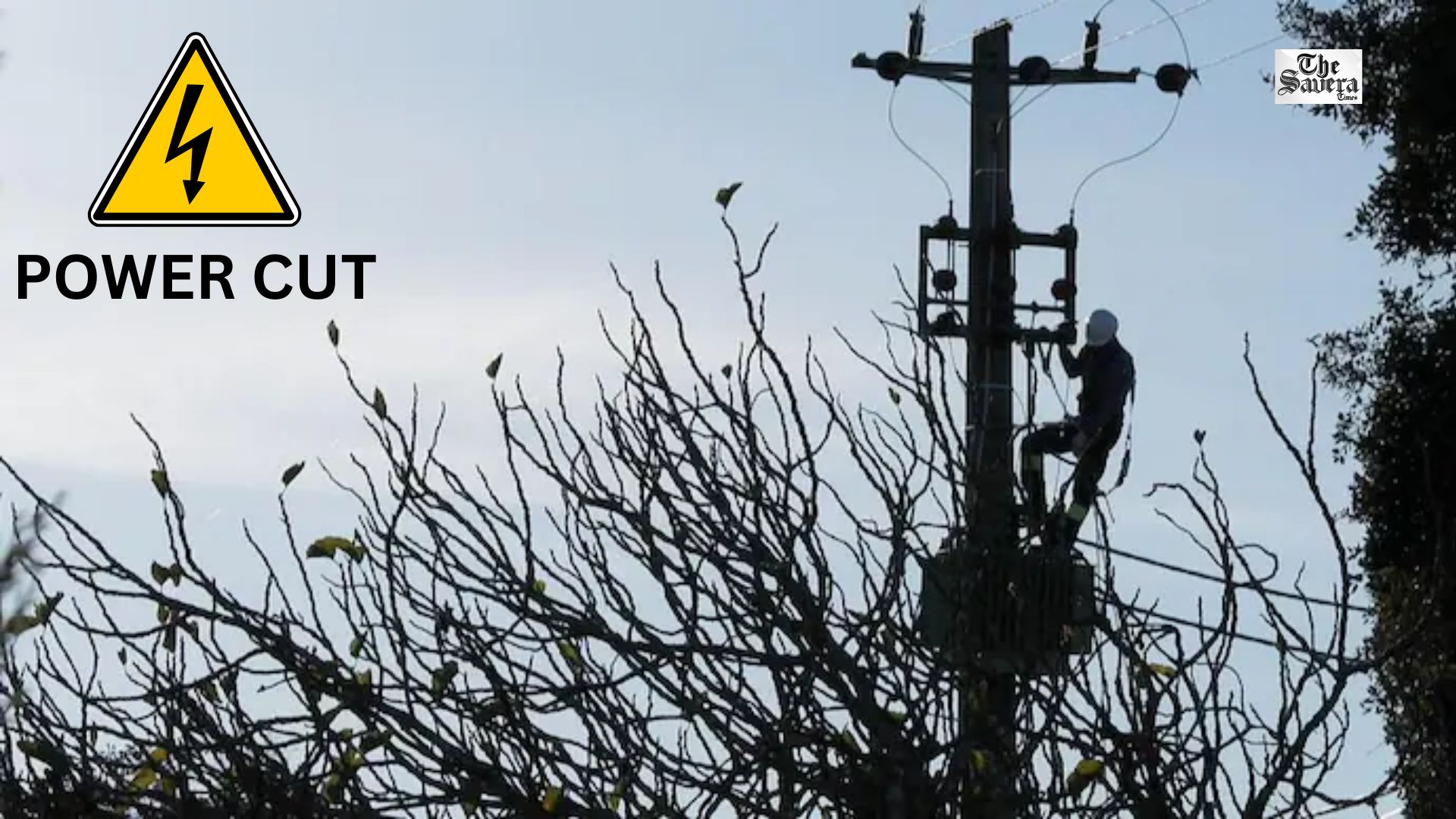
Chandigarh: Power demand in Punjab has once again crossed the 16,450 MW mark, adding to the pressure on the Punjab State Power Corporation Limited (PSPCL), as electricity consumption in the state continues to remain above 16,000 MW.
PSPCL is maximising generation from various sources, but total power generation within the state has reached only around 5,743 MW. With demand showing no signs of easing, the power utility is relying heavily on electricity purchased from the Central Pool to bridge the supply gap.
The dependence on external power has also contributed to continued power outages across Punjab, with consumers facing unscheduled cuts.
Protests Announced Over Power Cuts
Frustrated by unscheduled power cuts, dyeing entrepreneurs from Ludhiana have announced a protest today at Vardhman Chowk on Chandigarh Road.
Meanwhile, the Congress party is set to stage a protest outside the PSPCL headquarters in Patiala over the issue of power outages.
Government Thermal Plants Generate 1,786 MW
Punjab has three government thermal power plants with a total of 10 units.
The Ropar thermal plant has four units and a total generation capacity of 840 MW. It is currently producing around 487 MW.
The Lehra Mohabbat plant also has four units, with a combined capacity of 920 MW. It is currently generating around 801 MW.
The Goindwal plant has two units with a total capacity of 540 MW and is currently producing around 501 MW.
Together, the three government thermal plants are generating 1,786 MW. Two plants are operating close to their full capacity, while generation at Ropar remains significantly below its installed capacity.
Private Thermal Plants Produce 3,022 MW
Punjab has two private thermal plants with a combined generation capacity of 3,380 MW.
The Talwandi Sabo thermal plant has three units with a total capacity of 1,980 MW. All three units are currently operational and generating around 1,701 MW.
The Rajpura thermal plant has two units with a combined capacity of 1,400 MW. The two units are currently generating around 1,321 MW.
Combined generation from the two private thermal plants stands at approximately 3,022 MW.
Hydro Projects Generate 639 MW
Apart from the Ranjit Sagar Dam hydroelectric project, Punjab has four other major hydro projects.
The Ranjit Sagar Dam has a generation capacity of 600 MW, although its daytime generation is lower. Around 9 am, two of its four turbines were operational and generating approximately 240 MW.
The UBDC hydroelectric powerhouse was generating around 44 MW, while the Mukerian Hydel Project was producing 193 MW. The Anandpur Sahib Hydel Project was generating 112 MW and the Shanan Project around 50 MW.
Together, hydro projects were generating approximately 639 MW. During the night, generation from hydro projects can rise to around 830 MW.
Solar Generation Drops To Zero At Night
Punjab also has a large number of solar power plants, which contribute significantly to electricity generation during daylight hours.
Solar plants and other sources generate around 350–400 MW during the day. However, generation from these sources falls to zero at night.
Around 9 am, electricity generation from solar plants and other sources stood at approximately 341 MW.
Punjab Buys Around 11,000 MW From Central Pool
With in-state generation unable to meet the state’s exceptionally high electricity demand, PSPCL is relying heavily on the Central Pool.
The corporation purchases electricity from the Central Pool to bridge the gap between demand and supply after accounting for generation within Punjab.
Today, approximately 11,000 MW of electricity is being purchased from the Central Pool, highlighting the widening gap between Punjab’s power demand and its own generation capacity.
Congress leader Pargat Singh has included himself among the contenders for Punjab Chief Minister, saying the state unit...
For the past few years, there has been a vigorous campaign urging farmers not to burn crop stubble...

Chandigarh: Shiromani Akali Dal (SAD) president Sukhbir Singh Badal has appointed former MLA Arvind Khanna as a member...
Chief Secretary KAP Sinha appeared before the Punjab and Haryana High Court in connection with a contempt case...
A 23-year-old Punjab-born man was shot dead outside a commercial complex in Langley, British Columbia, Canada. Canadian authorities...

Supreme Court Justice Sheel Nagu on Friday recused himself from hearing the Punjab government's petition challenging the Punjab...
Aries: The day will be auspicious...