Last Updated: October 13, 2026
Last Updated: October 13, 2026





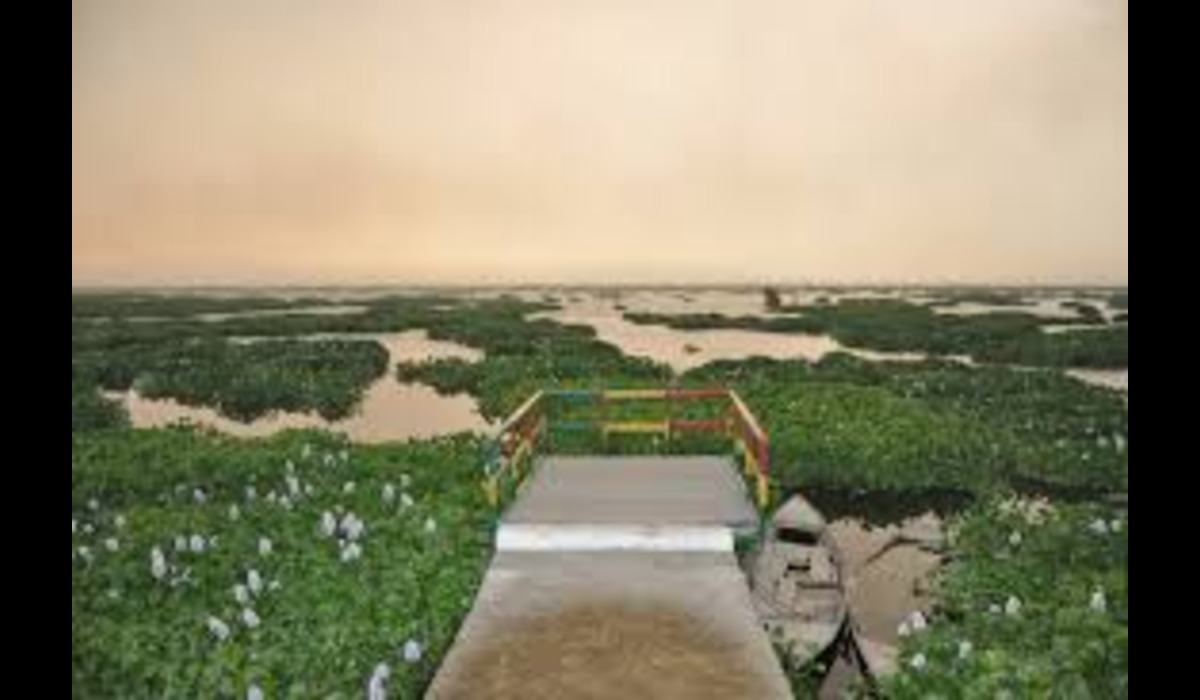
Punjab, often celebrated as the “Granary of India,” is also home to a lesser-known natural treasure — its vibrant wetlands. These water-rich ecosystems, scattered across the state, breathe life into the plains, support an incredible diversity of wildlife, and sustain thousands of livelihoods. According to the National Wetlands Atlas of India, more than 1,000 wetlands dot Punjab’s landscape — some small village ponds, others vast ecological sanctuaries. They not only act as havens for migratory and native birds but also recharge groundwater, purify air and water, and protect against floods.
Several of Punjab’s wetlands are internationally recognized under the Ramsar Convention, a global treaty for the conservation of wetlands. These include Harike, Ropar, Keshopur-Miani, Kanjli, Nangal, and the Beas Conservation Reserve — each a unique mosaic of habitats and stories of coexistence between people and nature.
At the confluence of the Sutlej and Beas rivers lies Harike Wetland, also known as Hari ke Pattan. What was once a historical military crossing during the Sikh-British era is now one of India’s most important wetland ecosystems. Declared a Ramsar site in 1990, Harike is a sprawling shallow lake that comes alive every winter with the flutter of wings. Thousands of migratory birds from Russia, Europe, and Central Asia visit between November and March — from the striking tufted ducks and pintails to rare species like the Sind sparrow.
The wetland supports rich aquatic vegetation and diverse fauna, including smooth-coated otters, jackals, and wild boars. Lush grasses, acacia groves, and medicinal plants make Harike not just a birdwatcher’s paradise but also a vital ecological zone that safeguards Punjab’s water and wildlife.
Nestled at the foothills of the Shivalik range, the Ropar Wetland — or Ropar Lake — is a man-made wonder formed by the Sutlej River. Its calm waters host more than 250 bird species, some of them rare, like the golden-backed woodpecker and crimson-breasted barbet. The surrounding Sadabrat Protected Forest enhances the site’s charm, offering nature trails, birdwatching towers, and even a “Bat Park” where fruit bats roost in clusters.
Ropar is not just a haven for birds — it shelters endangered creatures such as the Indian pangolin, the smooth-coated otter, and the majestic python. It’s a vivid reminder that even engineered landscapes can evolve into thriving ecosystems when nature and human care align.
One of Punjab’s most inspiring conservation stories unfolds at Keshopur-Miani Community Reserve. Located between the Beas and Ravi rivers, this wetland is jointly managed by local village panchayats — a shining model of community-led conservation. Here, villagers protect the habitat not through enforcement, but through pride and understanding of its value.
Keshopur-Miani, or “Chhamb,” hosts over 20,000 migratory birds each winter, including bar-headed geese, sarus cranes, and ospreys. Its rich plant diversity — over 300 species — sustains both wildlife and human livelihoods. The Interpretation Centre here allows visitors to learn about wetland ecology through ramps, rooftop viewpoints, and nature-friendly architecture, making it a must-visit destination for eco-tourists.
Created in 1870 by constructing headworks across the Bien rivulet, Kanjli Wetland is another Ramsar-listed gem. Spread over 490 hectares, it blends human ingenuity with natural beauty. The calm waters and surrounding vegetation attract around 50 bird species, including teals, wigeons, and pochards. Mammals like mongoose, porcupines, and civets also find refuge here.
Beyond its ecological value, Kanjli is a peaceful retreat for visitors — where the water reflects both the skies above and the centuries-old harmony between Punjab’s people and its rivers.
Flowing serenely across northwestern Punjab, the Beas River forms a 185-kilometre-long conservation reserve — the first river in India to be declared a Ramsar site. Its braided channels and sandbars provide shelter to more than 500 species of birds and 90 species of fish.
What makes the Beas truly special is the presence of the Indus River dolphin, locally called susu or human, an endangered freshwater mammal that now survives only in this part of India. In recent years, the government has also reintroduced gharial crocodiles, bringing back a species once thought extinct in Punjab’s waters. The river thus stands as a living example of successful restoration and commitment to biodiversity.
At the base of the Shivalik Hills lies the Nangal Wetland, part of the Bhakra-Nangal dam project. Its turquoise waters are home to thousands of migratory birds each winter — including painted storks, pochards, and eagles. The presence of rare species like the Indian pangolin and Egyptian vulture makes Nangal a sanctuary worth celebrating.
Further north, the vast Ranjit Sagar Wetland spans 87 square kilometres, supporting over 150 bird species and several endangered vultures. Nearby, the Shalapattan Wetland in Gurdaspur stands out for being Punjab’s only site where the graceful common cranes winter annually. These wetlands collectively form a network of ecological lifelines that keep Punjab’s biodiversity thriving.
Punjab’s wetlands are far more than scenic water bodies — they are the beating heart of its environment. From filtering pollutants and controlling floods to nurturing countless species, these ecosystems symbolize balance, resilience, and renewal. Their continued protection, through community participation and sustainable tourism, is key to ensuring that Punjab’s “land of five rivers” remains a land of living waters.
In every ripple of Harike, every bird’s call at Keshopur-Miani, and every dolphin leap in the Beas, Punjab’s wetlands whisper a timeless message — that nature and people can coexist beautifully when cared for with love and respect.
Punjab BJP President Kewal Singh Dhillon on Monday said a poster promoting a protest being held in Delhi...

The Enforcement Directorate (ED) has arrested Harcharan Singh Bhullar, the then Deputy Inspector General (DIG) of the Ropar...

In accordance with the instructions of the Election Commission of India, the Special Intensive Revision (SIR) of Electoral...

Flight operations were affected near Sri Guru Ram Dass Ji International Airport in Amritsar, Punjab, on Sunday night...

Enforcement Directorate (ED) has arrested Ludhiana Police Commissioner Swapan Sharma and others have been summoned to appear in...

The Punjab Vigilance Bureau (VB), during its ongoing crusade against corruption in the state, has been able to...

Aries: The day will be auspicious...