Last Updated: October 16, 2026
Last Updated: October 16, 2026





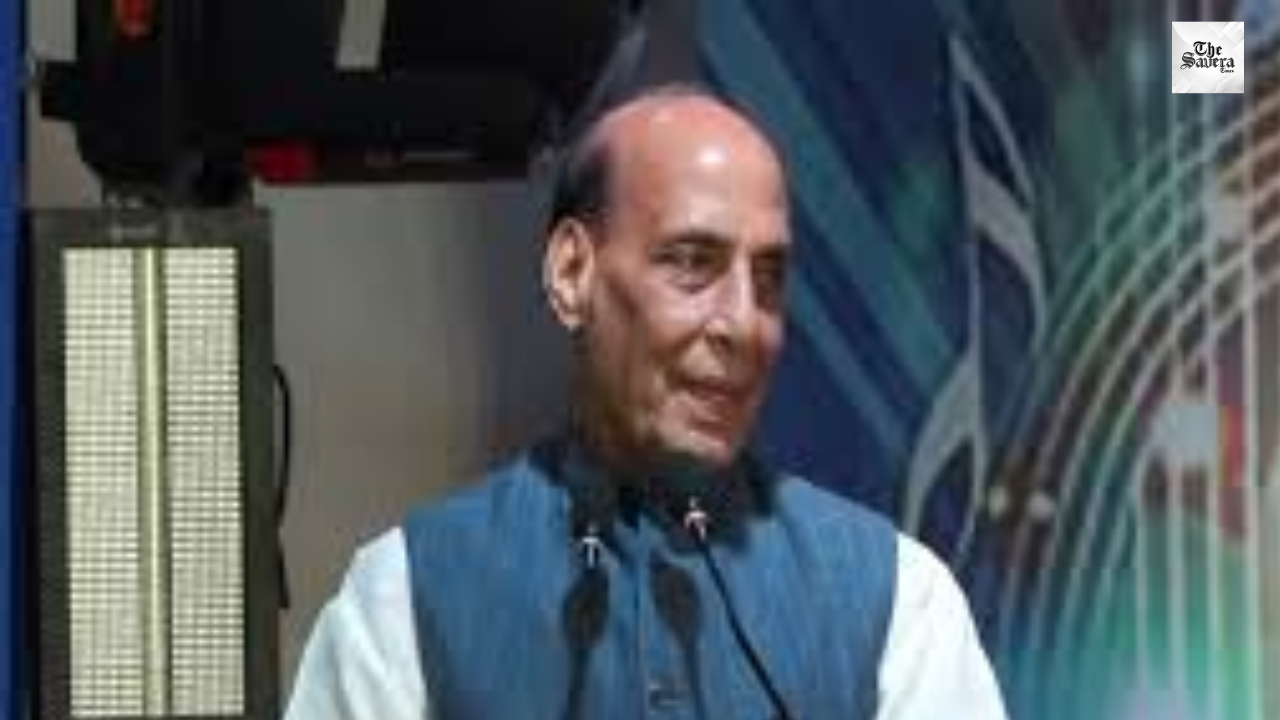
New Delhi: Union Defence Minister Rajnath Singh on Sunday emphasised the need for a stronger public‑private partnership (PPP) to invigorate India’s burgeoning sports economy and nurture a robust sporting culture across the country. Singh made these remarks while addressing a packed audience at the final match of the Aditya Birla Memorial Polo Cup in the national capital.
Underlining the role of collaboration between government and industry, the defence minister highlighted the transformative potential of bringing private investment, innovation, and expertise into the development of sports infrastructure, talent grooming and international competitiveness.
Speaking at the prestigious polo event, Singh stated that the Indian government has already taken several initiatives to promote sports at the grassroots and national levels, and now it is crucial that the private sector plays a larger role to build on this momentum.
“The government, through a series of initiatives, is fostering a sports culture within the country where athletes, especially the youth, have access to opportunities, resources and respect,” he said, pointing to ongoing efforts to widen participation and pave avenues for professional growth in sports.
The minister underlined that public‑private collaboration can bring in not just capital but also management expertise, marketing support and global connectivity — essential elements for India to compete with top sporting nations and achieve excellence across disciplines.
Singh stressed that partnerships can help strengthen infrastructure such as training facilities, professional leagues, athlete support systems, and community‑level programmes, which are vital to sustaining long‑term growth.
While speaking about the cultural and sporting heritage of India, Singh said that India can “carve out a strong global identity for itself in sports, especially polo”, if the public, private and social sectors work together.
Polo, a sport with deep historical roots in India and significant following among elite sporting circles, was highlighted as a key area where focused PPP efforts can promote excellence and bring international acclaim. Singh’s call for enhanced collaboration is expected to encourage more corporate entities, sports foundations and philanthropists to invest in niche and traditional sports as well as mainstream athletics.
In recent years, Indian policymakers have launched several schemes to stimulate the sports economy, including funding for grassroots infrastructure, support for emerging athletes, and incentives for hosting international events. These efforts align with the government’s broader vision of positioning India not just as a major sporting nation, but also as a hub for associated commercial and economic activities.
Experts believe strengthening PPP in sports is crucial to attract consistent investment, create jobs, and develop world‑class sporting ecosystems. Such collaboration can also help local talents break into global leagues and tournaments more effectively, leading to greater visibility and commercial opportunities.
By advocating enhanced partnerships, Rajnath Singh has highlighted the need for a shared responsibility between the government and private entities to make India’s sports economy more dynamic and sustainable. With growing enthusiasm among youth for various sports and rising global interest in Indian talent, the minister’s call comes at a time when structured collaborations could pave the way for a new era in Indian sports.
Amid the ongoing protests, investigators have found that certain elements backed by Pakistan launched a multi-layered digital warfare...

~Dr M L Jat India has moved from food scarcity to record harvests. The next leap is from...

Smartness is the key to getting ahead in life. Whether it is the mastery of job skills or...

Varanasi: A massive explosion triggered the collapse of a two-storey building in Uttar Pradesh’s Varanasi on Thursday, leaving...

Sofia: A vessel sailing under the flag of San Marino caught fire in the Black Sea near Romania...

New Delhi: Accusing the Congress of double-speak on women dignity, the Bharatiya Janata Party (BJP) Mahila Morcha on...
Aries: The day will be auspicious...