Last Updated: October 7, 2026
Last Updated: October 7, 2026





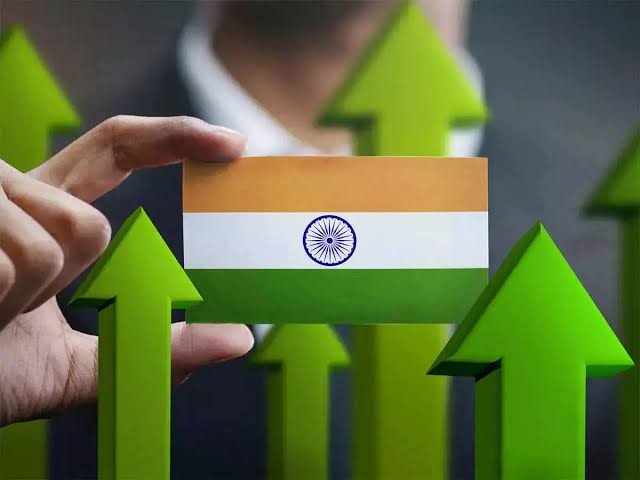
Currently, very optimistic data is emerging about India’s economic growth rate. Crisil has also recently stated that India will achieve a growth rate of 7 percent this year. Crisil’s surveys and assessments are considered highly reliable. It is true that India has maintained its growth momentum and even today we are ahead of the world’s richest countries. In this situation, as the second half of the 202627 financial year has begun, the country’s economic policy regulators are planning to make significant policy reforms to facilitate domestic investors, prevent foreign investors from fleeing, and ensure India’s growth rate maintains its momentum. The Goods and Services Tax, known as “One Nation, One Tax,” is a significant source of economic revenue for the country’s treasury. When GST was introduced, economists expressed doubts about its success. It was created by subsuming numerous taxes. However, when GST defied all fears and exceeded its target tax collection, filling the coffers of both the central and state governments, the GST Council decided in September 2015 to comprehensively reform GST, limiting tax rates to two slabs: 5% and 18%. The 12% and 28% slabs were eliminated. However, a 40% slab was imposed on certain luxury and consumer goods. While there was a provision for thorough investigation before taking action against tax evaders, the government’s tax collection powers remained the same. However, people complained that GST raids were becoming politicized, with arrests made to harass staunch opponents of the government. The GST Council is scheduled to meet tomorrow, October 7th. It is expected that the policy adopted in September 2025 to make GST easier and more acceptable will be further extended to encourage investors. This could also be called GST Reform 2.0. This will strip officials of the power to arrest GST evaders. It is also being said that those with a turnover limit of up to ₹5 crore will not be arrested on criminal charges. The next phase of GST will focus on simplifying it, reducing compliance costs, and making the tax structure more balanced. While the power to arrest will be withdrawn from tax officials, the government’s power to collect taxes or impose financial penalties will not be withdrawn. Yes, recovery and legal action will continue against taxpayers who underpaid taxes or took incorrect input tax credits. The second amendment is expected in monetary policy, which the Reserve Bank announces every two months after consultation with the Monetary Policy Committee. It is anticipated that a stricter credit regime will be implemented, replacing the liberal credit regime. The repo rate will also increase so that people have less money and demand less. However, as is the custom among Indians, as soon as they gain some financial strength, they prefer to show off even by paying off their loan installments. Therefore, it is unclear how successful the repo rate will be. Whatever the policies, the common man wants inflation to disappear from their daily lives.
The Supreme Court’s refusal to pass an interim order against Chief Election Commissioner Gyanesh Kumar has put the...
On October 7, 2026, Narendra Modi completes 25 years as the head of a government. This journey in...
El Nino and warming in the tropical Atlantic could help provide early warning of extreme heat in the...

Prime Minister Narendra Modi marks 25 uninterrupted years in public executive office on Tuesday, October 7, establishing a...
It has been almost two years since the Aam Aadmi Party government in Punjab has been enthusiastically launching...

The controversy over the Special Intensive Revision of electoral rolls raises legitimate questions. But political parties cannot demand...
Aries: The day will be auspicious...