Last Updated: October 22, 2026
Last Updated: October 22, 2026





Abhishek Vij
To promote awareness of our health and disease management, we periodically organize critical illness days. Recently, Cancer Day was celebrated. Following this, we also celebrated World Heart Day. These days are celebrated, but upon closer evaluation, we find that they remain merely a ritual; ordinary Indians are not truly health-conscious.
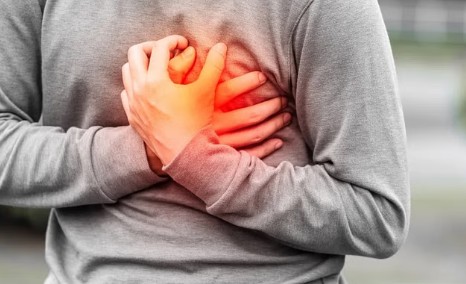
Punjab’s youth, once regarded as healthy and vibrant, are now increasingly vulnerable to heart disease at a young age—a trend that previously affected mainly older adults.
35 percent of deaths in Punjab are due to heart attacks, even among those who are not very old. This is due to widespread obesity, high blood pressure, stress, poor diet, lack of physical activity, and smoking. In the pursuit of modernity, many gyms have opened in Punjab’s cities and towns. It’s true that playgrounds have been encroached upon in the race for development. While playgrounds have shrunk, health clubs have also proliferated. The government has issued advisories to be health-conscious, meaning if there’s a shortage of playgrounds, go to the gym. But what’s actually happening? Young people between the ages of 15 and 39 are falling prey to heart disease.
Shocking incidents occur where people die of heart attacks while playing cricket, dancing, working out, or doing other activities. There’s no outcry, no sound; it’s simply a cardiac arrest. Why is this so? Some people claim that COVID-19 vaccines have reduced heart capacity. But we don’t believe such myths. We need to seriously consider this disease spreading among young people. In Punjab, 44.2 percent of people aged 40-69 die from heart attacks, while the highest number of deaths, 44.6 percent, occur in the age group above 70. Heart disease is caused by a stroke or blockage of blood vessels. Now, the Punjab government has initiated measures to prevent this disease.
A state-wide campaign now provides the life-saving drug Tenactepase free of charge in all districts. However, regular health checks, though recommended, are hard for working adults to access. Setting up workplace screening camps could ensure more early diagnoses. Both urban and rural populations face the same risk, making universal action essential.
Uninformed gym habits, dietary choices, and risky enhancement substances are worsening the heart disease crisis among youth. Balancing diet, exercise, and avoiding harmful practices is vital; careful, moderate activity is the best approach to protection.
Member Parliament Gurmeet Singh Meet Hayer today said that in a monumental milestone for the state’s sporting history,...

The Punjab government has suspended DSP Harjinder Singh Gill and drug inspector Naresh Kumar in connection with the...

To honour the valiant police personnel who laid down their lives while fighting militants and criminals for the...
Punjab government employees are observing a two-day mass casual leave protest on October 21 and 22. The agitation...

Punjab Police have arrested seven people in a suspected drug, arms and explosives smuggling case in Amritsar. A...

Punjab has reported 404 stubble-burning incidents, with Tarn Taran and Amritsar accounting for the highest numbers. Authorities have...
Aries: The day will be auspicious...