Last Updated: October 26, 2026
Last Updated: October 26, 2026





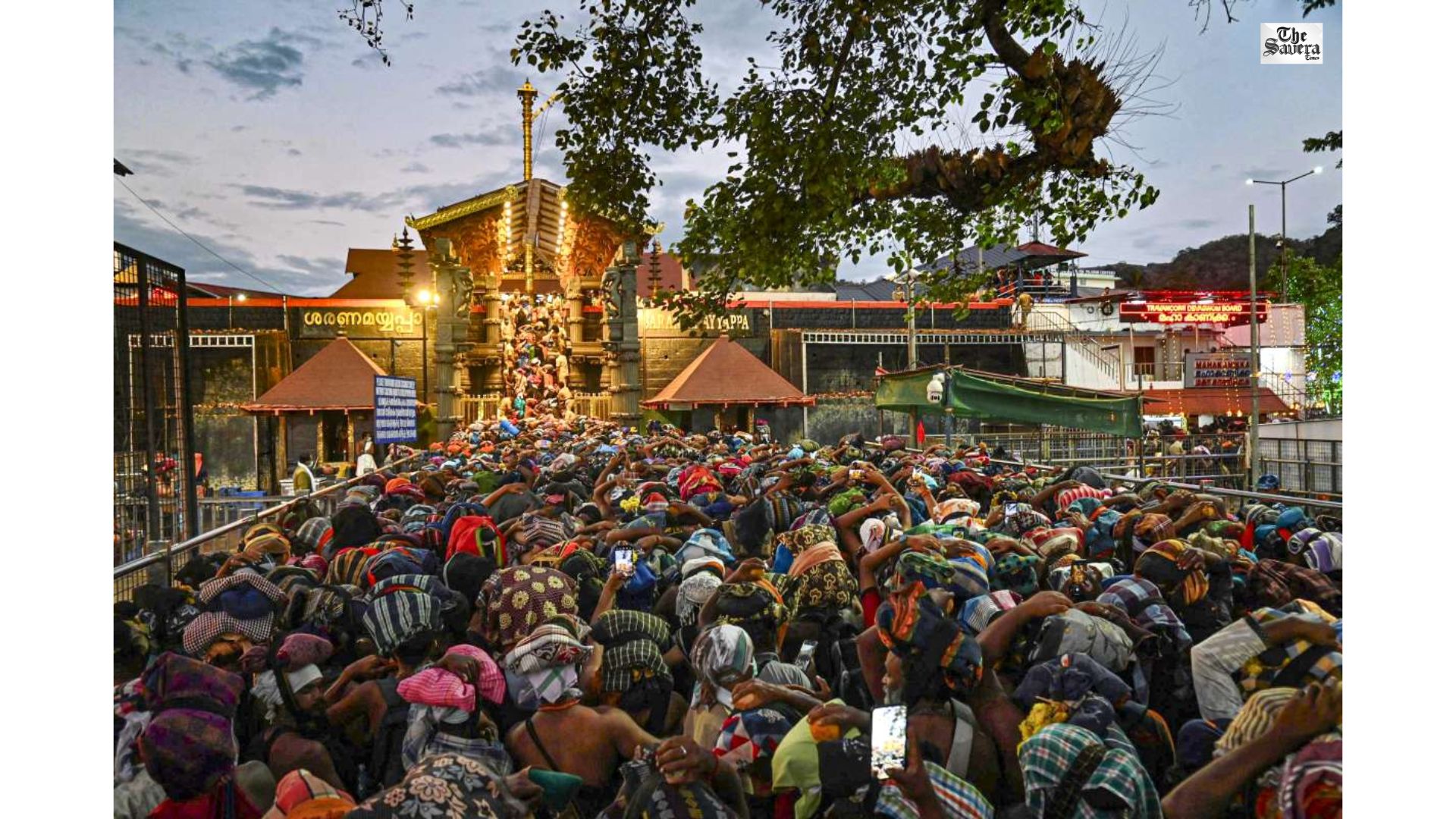
New Delhi, April 9: The Centre also raised objections to the 2018 Supreme Court verdict that allowed women of all age groups to enter the temple. It argued that the judgment was flawed and based on an assumption that men are superior to women. Earlier, the court had ruled that banning women aged 10–50 violated their fundamental rights, including equality and freedom of religion.
The Centre now says the verdict did not fully consider the religious significance and customs associated with the temple.
The Sabarimala issue continues to highlight a larger debate between religious freedom and gender equality. While many support equal access to places of worship, others believe that certain traditions must be preserved as part of faith. The temple is dedicated to Lord Ayyappa, considered a celibate deity and this belief has historically been cited as the reason for restricting entry of women of a certain age group.
The case is being heard by a larger bench of the Supreme Court, which is examining broader constitutional questions. The final ruling could have far-reaching implications for how courts handle conflicts between religious practices and fundamental rights.
The Madhya Pradesh High Court on Monday heard the bail plea of former judicial officer Giribala Singh in...
The Bharatiya Janata Party (BJP) held a protest in Bhopal on Monday against Congress President Mallikarjun Kharge's remarks...

Protests erupted again at Delhi's Jamia Millia Islamia University on Monday, hours after the announcement of student union...
Former Tamil Nadu School Education Minister and Dravida Munnetra Kazhagam (DMK) leader Anbil Mahesh Poyyamozhi was arrested on...

The central government has amended the Central Motor Vehicles Rules, 1989, to include provisions for the use of...

Good Afternoon Viewers! Welcome to The Savera Times Afternoon Bulletin, bringing you the latest updates from Punjab, India...

Aries: The day will be auspicious...