Last Updated: October 16, 2026
Last Updated: October 16, 2026





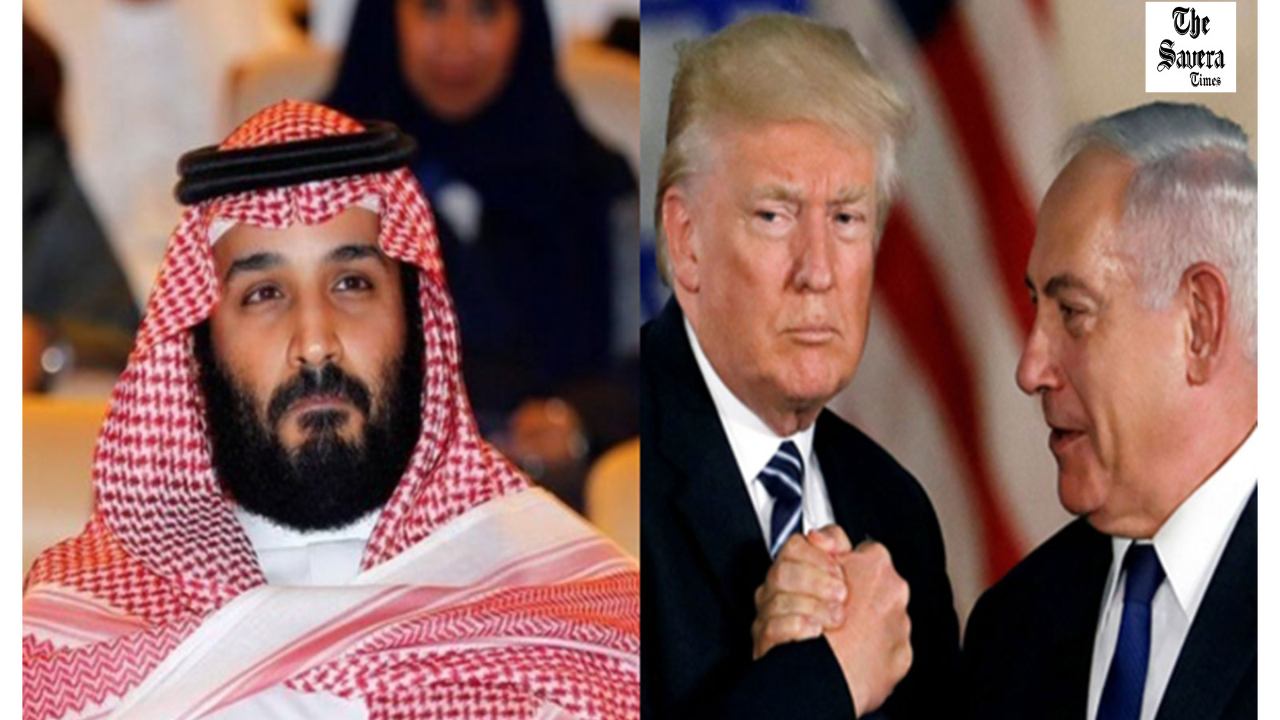
A Washington Post report suggests that Saudi Arabia played a significant role in urging the United States to launch joint military strikes on Iran alongside Israel. The operation, involving coordinated aerial attacks known as Operation Epic Fury (US) and Operation Roaring Lion (Israel), reportedly struck Iran’s leadership and military infrastructure in a rare convergence of interests among the three nations.
According to the report, Saudi Crown Prince Mohammed bin Salman made multiple private appeals to U.S. President Donald Trump in recent weeks, even while publicly advocating for diplomatic solutions. These calls, alongside pressure from Israeli Prime Minister Benjamin Netanyahu, are said to have helped push the United States toward authorizing the large-scale strikes that reportedly resulted in the death of Iran’s Supreme Leader Ayatollah Ali Khamenei and several senior Iranian officials.
The joint strikes occurred amid escalating regional tensions involving Iran’s nuclear ambitions, proxy conflicts, and heightened hostility between Tehran, Washington and its allies. While the United States and Israel cited what they described as threats posed by Iran’s regime, regional actors took varied positions—some condemning the strikes and others wary of wider conflict.
Despite Saudi Arabia’s historical and complex relations with both the U.S. and Iran, it’s behind-the-scenes lobbying reportedly underscored a strategic alignment with U.S. and Israeli concerns over Iran’s influence in the region, according to sources familiar with the matter.
The strikes have sparked significant repercussions across the Middle East. Iran has retaliated with missile and drone attacks at U.S. and allied assets throughout the Gulf, intensifying fears of a broader conflict. Some regional governments have condemned Iran’s actions as violations of sovereignty, while others urged restraint and a return to diplomatic engagement.
There are reports of mourning and heightened security within Iran as authorities manage domestic response and stability. The geopolitical consequences of the attacks and Saudi Arabia’s involvement in influencing U.S. action are likely to play a role in future diplomatic and military calculations in the region.
Washington: US President Donald Trump has claimed that drug cartels effectively control Mexico and warned that his administration...

Bangladesh is home to around 41.6 million child brides, including 22.3 million who were married before the age...

The Indian Navy’s operational activity in 2026 demonstrates a force increasingly capable of operating simultaneously across the Indian...
As Afghanistan continues to report cross-border infiltration by militants supported and trained by Pakistan’s security agencies, Taliban has...
China’s debt burden has shot up in recent years, resulting in the country’s interest payments on borrowing surpassing...

London: Ukrainian President Volodymyr Zelensky told British media that Ukraine would restart strikes on Russia’s oil refineries and...

Aries: The day will be auspicious...