Last Updated: November 12, 2026
Last Updated: November 12, 2026





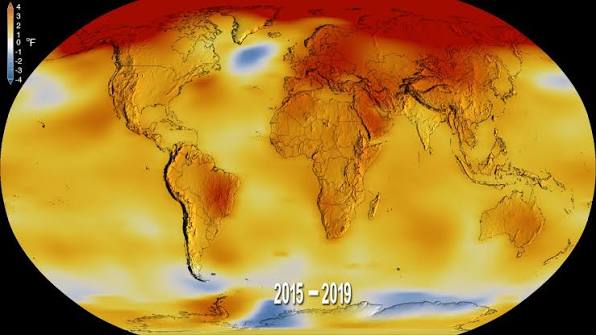
The Earth’s energy imbalance and the loss of India’s distinct seasons are becoming the same thing. 2024 was a very hot year in India, and now 2026 is on track to be the second hottest year. The United Nations’ Climate Division expressed concern over this during a conference in Turkey. This rise in temperature undoubtedly makes 2026 a hot year, while also transforming the rainy season into a disaster of cloudbursts and floods. Meanwhile, the age of glaciers on the Himalayan peaks is decreasing. Global warming is being cited as the reason. Global warming causes glaciers to melt rapidly, and the water flowing downstream creates a deluge. India also experienced this this year. The direct result was that the area under rice cultivation decreased, the quality of the harvested crop was reduced by the adverse weather, and grain storage became scarce. The same fate should not befall the wheat crop that farmers are about to sow. Let’s examine the causes of this imbalance. First, the ocean has changed its course. It is recording higher average temperatures. Ocean temperatures have been rising for ten consecutive years, and this year, El Niño waves have exacerbated this trend. Weather has become more unpredictable. Agriculture in India, already a gamble on the monsoon, has now become a gamble on the weather. The reason for this is the energy imbalance occurring on Earth. The problem of grappling with this has arisen over the past few years, when Third World countries, newly liberated and embarking on the path of progress, found themselves facing the threat of environmental pollution and global warming. Carbon emissions and greenhouse gas emissions were cited as the primary causes. Now, rising ocean temperatures have also been added to the mix. The crisis caused by El Niño has also emerged. Countries around the world joined forces, demanding a halt to the root causes: carbon emissions and excess greenhouse gas emissions, which are disrupting climate and ocean temperatures and making weather unpredictable. Third-world countries were bound to look to India to combat environmental pollution and global warming, but the United States and other wealthy Western nations attempted to shift the responsibility onto India. India is ready to take the lead, but where is the massive funding needed for this fight? At the last moment, rich countries backed out, saying, “Our era of the Industrial Revolution has long ended. Now you are on the path to the Industrial Revolution. Your countries are emitting carbon and additional greenhouse gases, and you must also reduce them to zero.” The solution sought is to achieve net-zero emissions by 2070. If this new pollution, originating from the ocean and land, is addressed in the areas of renewable energy, power grids, energy storage, and emerging clean technologies, investment opportunities worth $22.7 trillion could be created. The question is striking a balance between rapid economic growth and carbon emission reduction. Foreign investors and international financial markets must step forward to play their role in arranging adequate funds for this. There is a $6.5 trillion shortfall from accelerating and completing this campaign. How will this solution be achieved if this is not met with international capital?
With growing interest in healthier diets, mushroom cultivation is gaining importance in India’s horticulture sector and offers scope...

As part of the strengthening bilateral energy ties, India’s imports from the UAE have risen sharply over the...

It is good news that the Indian government, heeding the Supreme Court’s advice, has initiated an effort to...

India is seen as a credible country that can help in the peace talks between Russia and Ukraine...

Ujjain (Madhya Pradesh): A fire broke out in a five-storey building at Bagadiya Tower near the old Central...

New Delhi [India]: Former Vice-President Jagdeep Dhankhar was admitted to the All India Institute of Medical Sciences (AIIMS)...

Aries: The day will be auspicious...