Last Updated: October 17, 2026
Last Updated: October 17, 2026





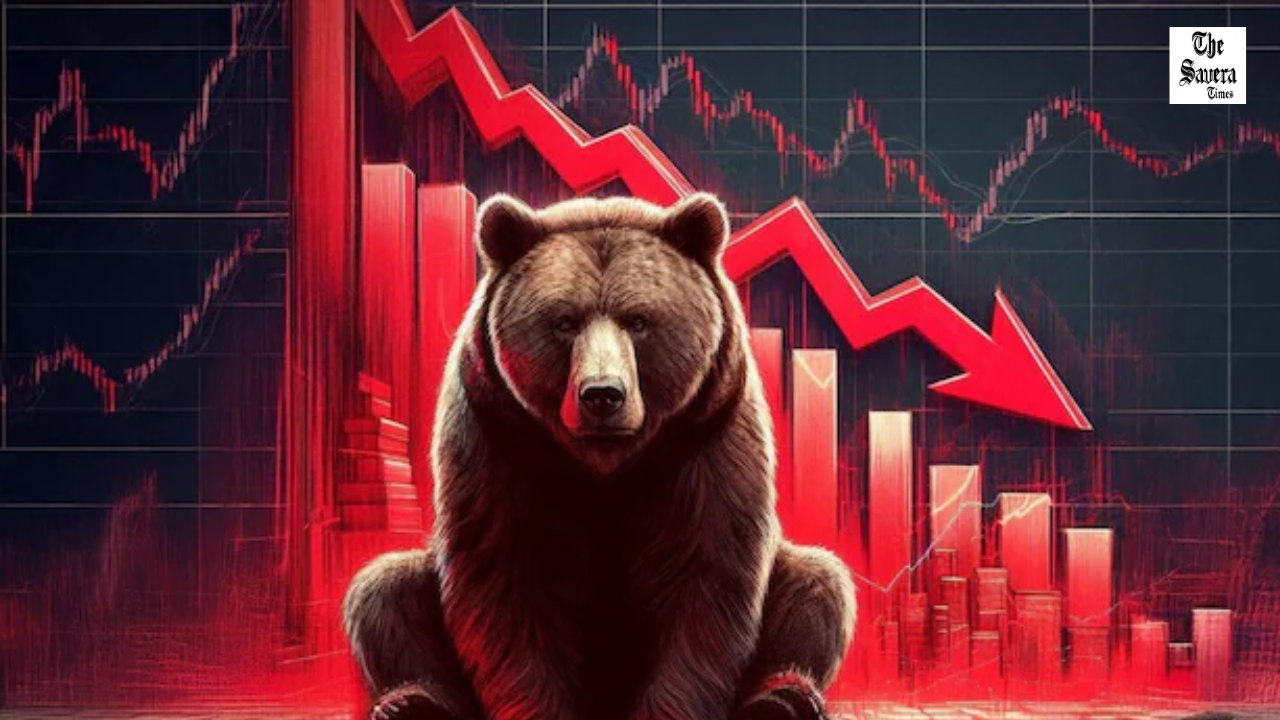
Indian stock markets plunged sharply on Sunday, February 1, 2026, with the BSE Sensex tumbling over 1,000 points and the NSE Nifty50 sliding below 25,000 in a special Budget Day trading session after Finance Minister Nirmala Sitharaman presented the Union Budget 2026–27. The sharp fall wiped out about ₹6 lakh crore in market valuation, signaling weak investor sentiment following the budget speech.
A major trigger for the downturn was the Budget’s decision to increase the Securities Transaction Tax (STT) on futures and options (F&O) trading. The STT on futures was raised from 0.02 % to 0.05 % and on options from 0.10 % to 0.15 %, raising trading costs for investors in the derivatives market. This unexpected move sparked panic selling in the F&O segment, which accounts for a large portion of trading activity, especially among retail and institutional traders.
Brokerage and exchange stocks, including BSE Ltd and Angel One, suffered steep declines as investors weighed the impact of these higher taxes on volumes and earnings.
Investors were also disappointed by the lack of major tax relief measures, particularly for individual taxpayers and market participants. With no change in core income tax slabs or fresh incentives for the equity markets, many traders interpreted the Budget as less supportive of market growth than expected, contributing to bearish sentiment.
The combination of increased trading costs and subdued reform expectations led to broad‑based selling across sectors, dragging major indices down.
Beyond the STT hike, other factors added to the market’s negative tone:
Weak global cues and geopolitical uncertainties weighed on equities.
Profit‑booking by investors ahead of key budget announcements amplified selling pressure.
Precious metals such as gold and silver also plunged sharply, reflecting wider risk‑off sentiment.
Together, these dynamics created a bearish trading environment, pushing the Sensex and Nifty into significant losses during the Budget session.
Mumbai: Benchmark equity indices rallied in a consecutive day on Friday due to falling oil prices and a...

Finance Minister Nirmala Sitharaman has called for an early conclusion of the India-US Bilateral Trade Agreement. The proposed...

Indian markets slipped in early trade on Friday after Thursday's strong rally. IT shares offered support, while several...
Reliance Industries says it welcomes Starlink and other players in India's satellite communications market, but insists that all...

The government has increased the export duty on petrol from ₹0.50 to ₹2.50 per litre and reduced the...

~Abhishek Vij Delhi is currently hosting the inaugural threeday Bloomberg New Economy Forum, which concludes today, October 15....
Aries: The day will be auspicious...