Last Updated: October 11, 2026
Last Updated: October 11, 2026





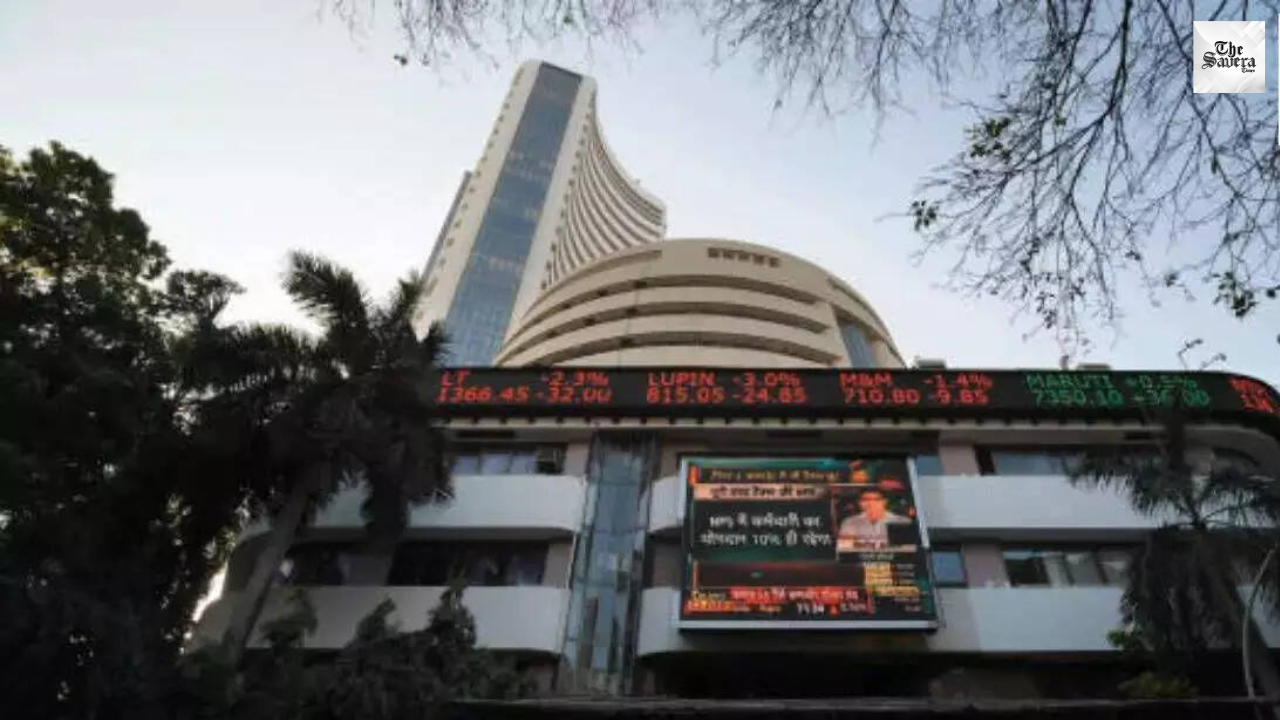
Indian stock markets ended a turbulent week on a weak note, with benchmark indices logging their steepest weekly drops in years. The BSE Sensex slumped nearly 1.93% on Friday to 74,563.92, and the Nifty 50 fell about 2.06% to 23,151.10, reflecting heightened caution among investors amid persistent global geopolitical tensions and crude oil price pressures.
Over the week, both indices declined by more than 5%, marking some of the largest weekly drawdowns seen in recent periods. Analysts say this performance one of the worst in over 15 months underlines deep‑seated risk‑off sentiment, with the market’s fear gauge (India VIX) also rising sharply, signaling increased investor nervousness.
Market sentiment was weighed down primarily by escalating geopolitical tensions in the Middle East, particularly the ongoing Iran‑Israel and U.S. conflict, which has pushed global crude oil prices above $100 per barrel. As India is heavily dependent on oil imports, rising crude prices have stoked inflation fears and threatened corporate earnings, adding to investor discomfort.
Oil price dynamics have a major influence on Dalal Street because higher energy costs hurt profit margins for industries ranging from airlines and transport to manufacturing. The recent surge in oil also contributed to broader sell‑offs across sectors throughout the week, a trend mirrored in global markets.
Foreign institutional investors (FIIs) remained net sellers for much of the week, further compounding local pressures. The combination of geopolitical risk, rising crude costs, and weak global cues encouraged a risk‑off approach, prompting broad‑based selling in large‑, mid‑, and small‑cap stocks.
Even traditionally defensive sectors like financials and auto saw heavy declines. According to market data, the auto sector witnessed notable losses, underscoring the scale of the sell‑off across the market.
The sell‑off came with a significant erosion of investor wealth. Estimates indicate that more than ₹10–20 lakh crore in market value was wiped out during the week, as both benchmark indices moved sharply lower across multiple sessions.
In addition to the headline indices, the Bank Nifty and mid‑cap indices also suffered notable declines, reflecting widespread selling pressure across asset classes rather than isolated losses in select stocks.
Volatility surged as investors reacted to headline news rather than firm domestic triggers. The India VIX jumped significantly, a sign of rising fear and uncertainty among traders. Higher volatility typically results in more muted buying interest and can prolong market weakness.
These conditions have made traders more cautious, with many adopting defensive strategies or reducing risk exposure in anticipation of further downside.
Looking ahead, analysts say the near‑term outlook for the Indian market will largely depend on how geopolitical tensions evolve and whether crude oil prices continue to test higher levels. If tensions persist, markets could remain under pressure as risk‑off behaviour continues.
Additionally, global macroeconomic indicators including inflation data, central bank policies, and U.S. economic performance will play a key role in shaping sentiment. A stronger dollar or hawkish rate expectations overseas could further dampen equity markets in India.
However, some strategists suggest that defensive sectors such as FMCG and pharmaceuticals may offer relative stability amid volatility, with potential opportunities for selective buying rather than broad‑based exposure.
The recent steep weekly fall in Sensex and Nifty highlights the ongoing impact of global geopolitical tensions, rising crude oil prices, and sustained selling pressure on investor sentiment. With both benchmarks experiencing one of their worst weekly performances in over a year, the markets face continued volatility. Investors are advised to stay cautious, monitor geopolitical developments closely, and remain vigilant about risk management as uncertainty prevails.
India’s cheetah story has entered a new phase. After the species disappeared from the country in the 1950s,...

Jaipur: The Anti-Narcotics Task Force (ANTF) of Rajasthan Police has arrested wanted drug smuggler Sohanlal, alias Sonu, carrying...

Imagine a foreign national standing among Indian citizens at a political protest, raising questions about the government or...

Aizawl: The Assam Rifles, in coordination with other law enforcement agencies, seized methamphetamine tablets and foreign-made cigarettes worth...

Kolkata: A Returning Officer (RO), acting on behalf of the Election Commission of India (ECI), has lodged a...

New Delhi: The Delhi BJP Mahila Morcha staged a protest on Saturday to demand the expulsion from Congress...

Aries: The day will be auspicious...