Last Updated: October 16, 2026
Last Updated: October 16, 2026





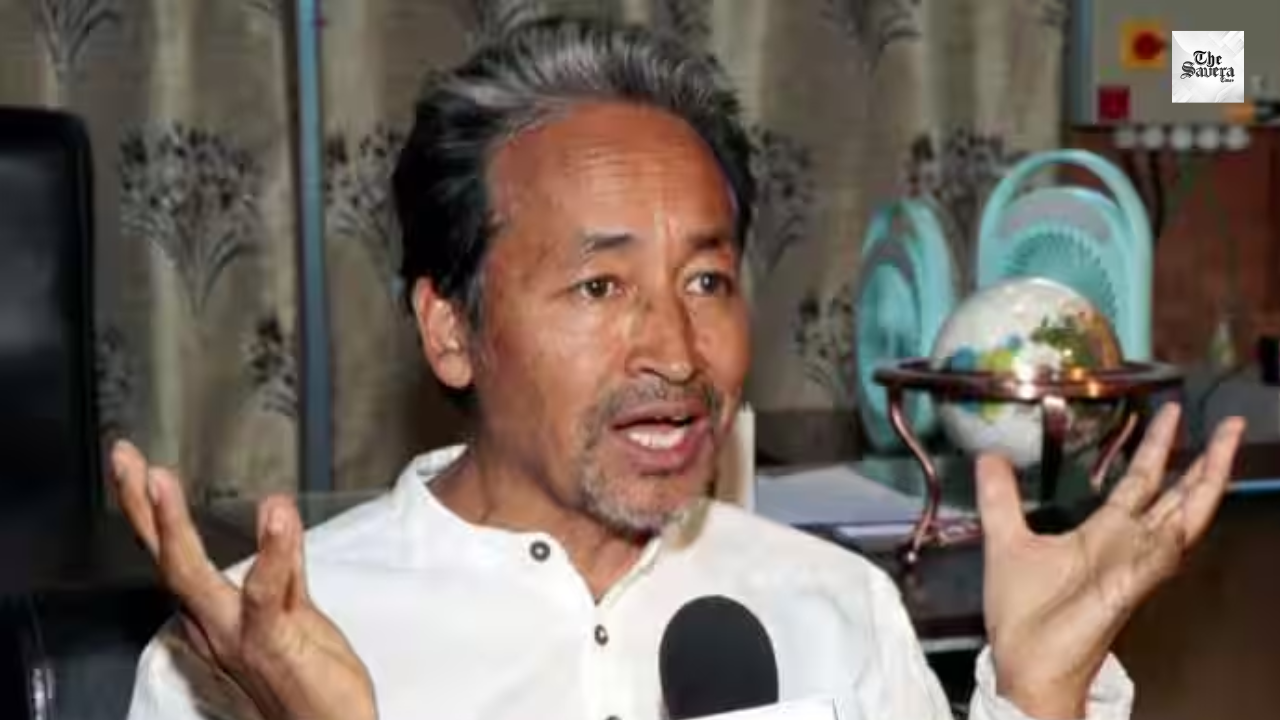
The Union Government has revoked the preventive detention of climate activist and education reformer Sonam Wangchuk under the National Security Act (NSA), paving the way for his release from jail after nearly five months of incarceration.
The decision was announced on March 14 by the Ministry of Home Affairs, which confirmed that Wangchuk’s detention order had been withdrawn with immediate effect. He had been lodged in Jodhpur Central Jail since September 2025 following unrest linked to protests in Ladakh.
Officials said the move was taken after reviewing the situation and as part of efforts to encourage dialogue and maintain stability in the region.
Wangchuk was detained on September 26, 2025, shortly after protests erupted in Leh, Ladakh, over demands for statehood and constitutional safeguards for the Union Territory. Authorities accused him of making statements that could disturb public order and allegedly inciting unrest.
The protests had turned violent in parts of Leh, leading to clashes with police and injuries to several people. Following the unrest, the government invoked the NSA — a stringent preventive detention law — against the activist.
He was subsequently moved from Ladakh to Jodhpur jail in Rajasthan, where he remained in custody for months while legal challenges to his detention were underway.
The National Security Act (NSA) permits authorities to detain individuals without trial if they are considered a threat to national security or public order. Under the law, preventive detention can last for up to 12 months, though it can be revoked earlier if authorities deem it appropriate.
In Wangchuk’s case, the Centre had justified the detention by citing concerns about public order in a sensitive border region. However, the decision sparked debate among activists, politicians and legal experts about the use of the law against a well-known environmental campaigner.
During his detention, the matter reached the Supreme Court of India after Wangchuk’s family filed a petition challenging the legality of the NSA order. The court had earlier asked the government to reconsider the detention, citing concerns about his health and the length of his incarceration.
Several political leaders, civil society groups and environmental activists also demanded his release, arguing that Wangchuk had always advocated peaceful protests and dialogue.
The legal proceedings and public debate kept the issue in the national spotlight over the past few months.
Sonam Wangchuk is widely known for his work in education reform and environmental conservation in the Himalayan region. He founded the Students’ Educational and Cultural Movement of Ladakh (SECMOL) and is internationally recognised for innovations such as the “Ice Stupa” project aimed at addressing water scarcity in cold desert areas.
He also received the prestigious Ramon Magsaysay Award for his contributions to community development and education.
Beyond his innovations, Wangchuk has been actively involved in campaigns demanding stronger environmental protections and constitutional safeguards for Ladakh.
Officials indicated that revoking Wangchuk’s detention is part of a broader effort to create an atmosphere conducive to dialogue between the government and stakeholders in Ladakh.
The Ministry of Home Affairs said the step reflects the government’s commitment to maintaining peace and encouraging constructive discussions on regional issues.
Political observers say Wangchuk’s release could ease tensions and reopen channels for negotiations regarding the demands raised by Ladakh’s civil society groups.
The revocation of Sonam Wangchuk’s detention marks a significant development in the ongoing political and environmental discourse surrounding Ladakh.
After nearly five months in jail, his expected release is likely to reignite debate over governance, environmental protection and constitutional safeguards in the strategically important Himalayan region.
Observers believe the coming weeks will be crucial in determining whether the government and protest groups can find common ground through dialogue and policy reforms.
Bengaluru: A 20-year-old BTech student died after allegedly suspiciously jumping from the sixth floor of a building at...

New Delhi: The Supreme Court on Friday agreed to hear, on October 26, an application concerning a pregnant...
New Delhi: The Supreme Court on Friday agreed to hear, on October 26, an application concerning a pregnant...
Jaipur: The rescue operation to recover nine-year-old Bhomaram, who fell into a borewell in Nausar village in the...
Jaipur: The Supreme Court of India on Wednesday has provided a major relief to the Former Rajasthan Public...
New Delhi: Cockroach Janta Party (CJP) founder Abhijeet Dipke on Friday defended the party’s protests, asserting that peaceful...
Aries: The day will be auspicious...