Last Updated: October 18, 2026
Last Updated: October 18, 2026





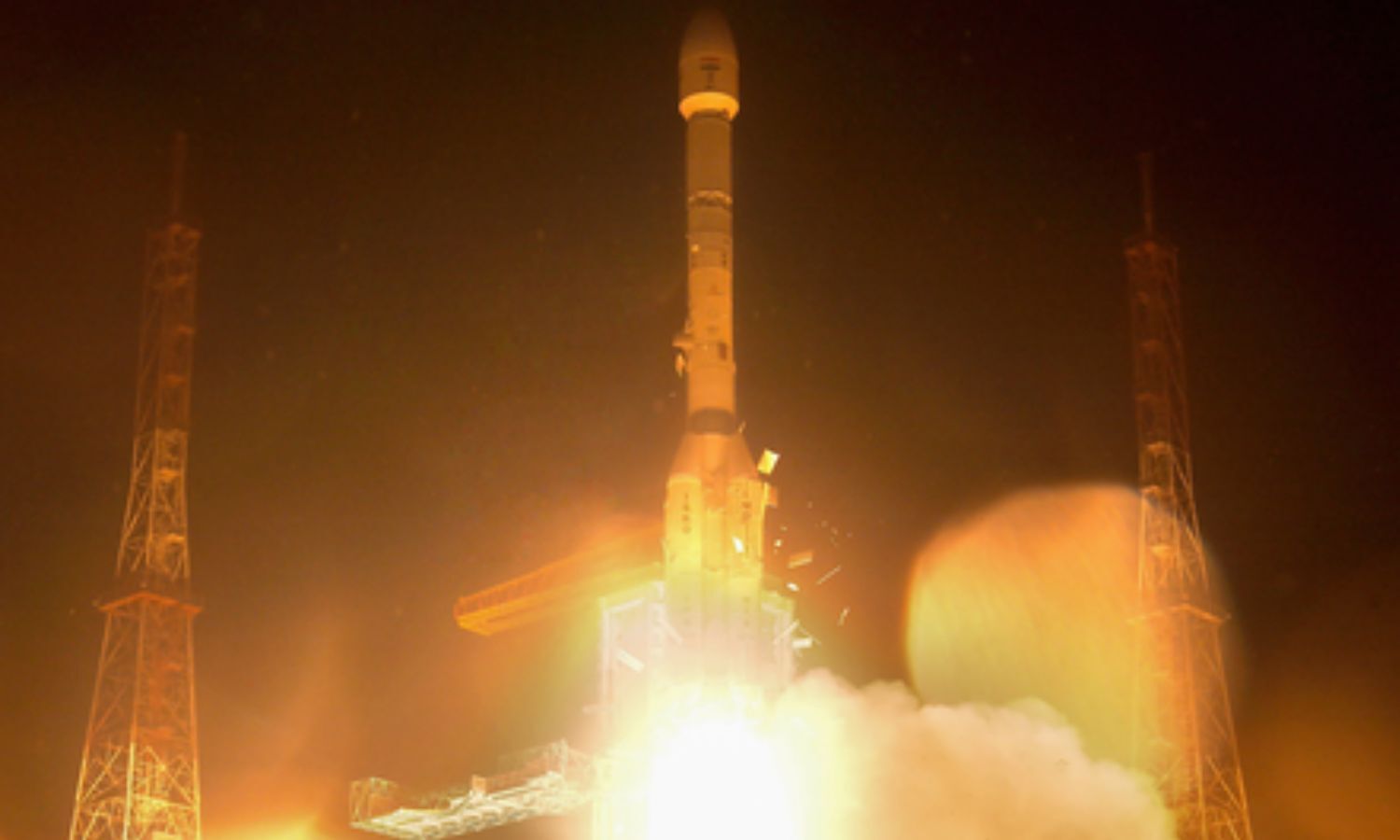
India’s space sector is undergoing a rapid commercial transformation following policy reforms that have opened the industry to private firms and created a new framework allowing commercial enterprises to participate across the full spectrum of space activities.
A report by Tanzania-based The Guardian said India’s space economy, currently valued at nearly $8.4 billion and representing a modest share of the global market, could grow to $40–45 billion by 2030.
However, it said this ambition could only be realised through continued investment, regulatory certainty, infrastructure development and sustained technological innovation, even as the foundations for long-term growth are becoming increasingly visible.
The report highlighted the unprecedented degree of freedom the reforms provide to private participants.
The shift, driven by reforms introduced in 2020 and institutionalised through the Indian Space Policy 2023, eased long-standing state control over the space value chain and allowed private companies to undertake end-to-end activities, from satellite manufacturing and launch services to remote sensing and space-based communications.
A historically government-centric ecosystem has transformed into a collaborative network involving public institutions, private industry, academia, research centres and start-ups, the publication said.
The government has redistributed responsibilities among the Indian Space Research Organisation (ISRO), the Indian National Space Promotion and Authorisation Centre (IN-SPACe) and NewSpace India Limited (NSIL), with IN-SPACe tasked with facilitating access to testing facilities for private companies.
Private players can also access launch infrastructure, data generated using public resources and ISRO-developed technologies through IN-SPACe.
The reforms have led to the emergence of a vibrant space start-up ecosystem, with companies pursuing independent commercial strategies and developing proprietary technologies.
By mid-2026, nearly 400 space start-ups had become active participants in the sector, representing one of the fastest-growing segments of India’s innovation economy.
The Seed Fund Scheme, Pricing Support Policy, mentorship initiatives, design laboratories for non-governmental entities (NGEs), skill-development programmes, technology-transfer mechanisms and access to ISRO facilities have helped create a supportive ecosystem for innovation.
New Delhi: West Bengal Chief Minister Suvendu Adhikari on Sunday said that 19 people lost their lives in...

Victories in universities and colleges underline the organisation’s campus presence, with similar gains reported in Delhi, Punjab and...

A three year old Swarnlata Mishra was travelling with her father through Katni in Madhya Pradesh. As their...

In the past few years, incidents of religious conversion have been increasing in the country. Discussions about Christian...

Can former Kerala Chief Minister Pinarayi Vijayan emerge from a barrage of investigations with his political reputation intact,...

The rhetoric of regime change and the romanticisation of Bangladesh’s uprising risk undermining the very democratic institutions that...

Aries: The day will be auspicious...