Last Updated: November 6, 2026
Last Updated: November 6, 2026





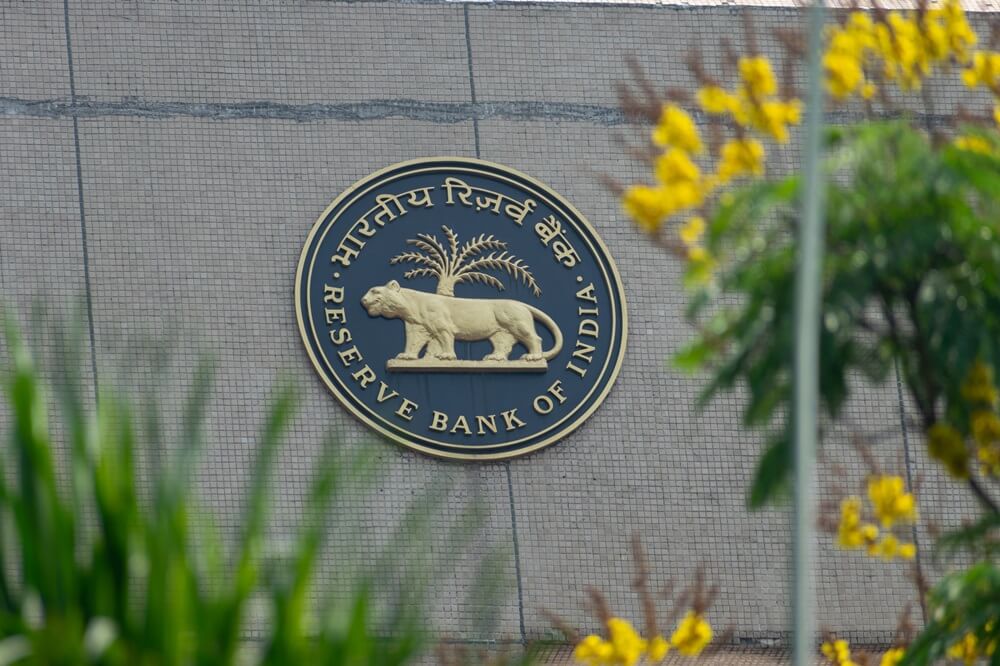
Inflation is steadily rising due to the disruption in energy supplies caused by the alarming war in West Asia. The Reserve Bank has just announced its bi-monthly monetary policy, acknowledging that inflation will rise and GDP growth will slow down this year. It projects that the GDP growth rate will decline from 6.9 percent to 6.6 percent. It is worth recalling our goal of transforming India into a fully developed nation by 2047. We aim to surpass even the United States to become the world’s largest economic power; achieving this requires a growth rate of 7 percent or higher. However, due to the war, the growth rate has already slipped to 6.6 percent. After careful deliberation, the Reserve Bank announced that the repo rate would remain unchanged at 5.2 percent, as the government wishes to avoid making loans more expensive or increasing EMIs. A key factor behind this decision is the need to woo back foreign investment— capital that fled India, causing a sharp drop in stock markets and wiping out trillions of rupees of investor wealth. Consequently, the Reserve Bank has decided to maintain its accommodative credit policy for now and keep the repo rate at 5.2 percent, acknowledging that challenging times lie ahead. Although retail inflation is currently within the prescribed limits, it is expected to surge because the supply of commodities like crude oil and gas to India is becoming difficult. Alongside concerns about retail inflation straining the public’s finances, there are also fears regarding a weak monsoon, which could adversely affect agricultural output and rural demand. Nevertheless, the government remains confident in crop diversification, earnings from the services sector, and consumption in urban areas. In fact, the government has even introduced incentives within this policy framework to boost foreign capital investment. Therefore, it can be said that this monetary policy favors investors, not the common man burdened by rising prices.
Security agencies have arrested around 700 suspected members of Shahzad Bhatti's network and disrupted several alleged terror plans....

Eight people have died in Andhra Pradesh due to Cyclone 'Murasu', while the state has suffered losses of...

The Jharkhand High Court has quashed the state government's 2024 JSSC-CGL exam cancellation, calling the decision unfair and...
Talks over a possible merger of the two NCP factions have gathered pace, with Sunil Tatkare and Praful...

Jaipur: In a major boost to sportspersons in Rajasthan, the Chief Minister Bhajanlal Sharma government has approved out-of-turn...
The sanitation system in Bhopal, the capital of Madhya Pradesh, has completely collapsed during the Diwali festival. Piles...

Aries: The day will be auspicious...