Last Updated: November 3, 2026
Last Updated: November 3, 2026





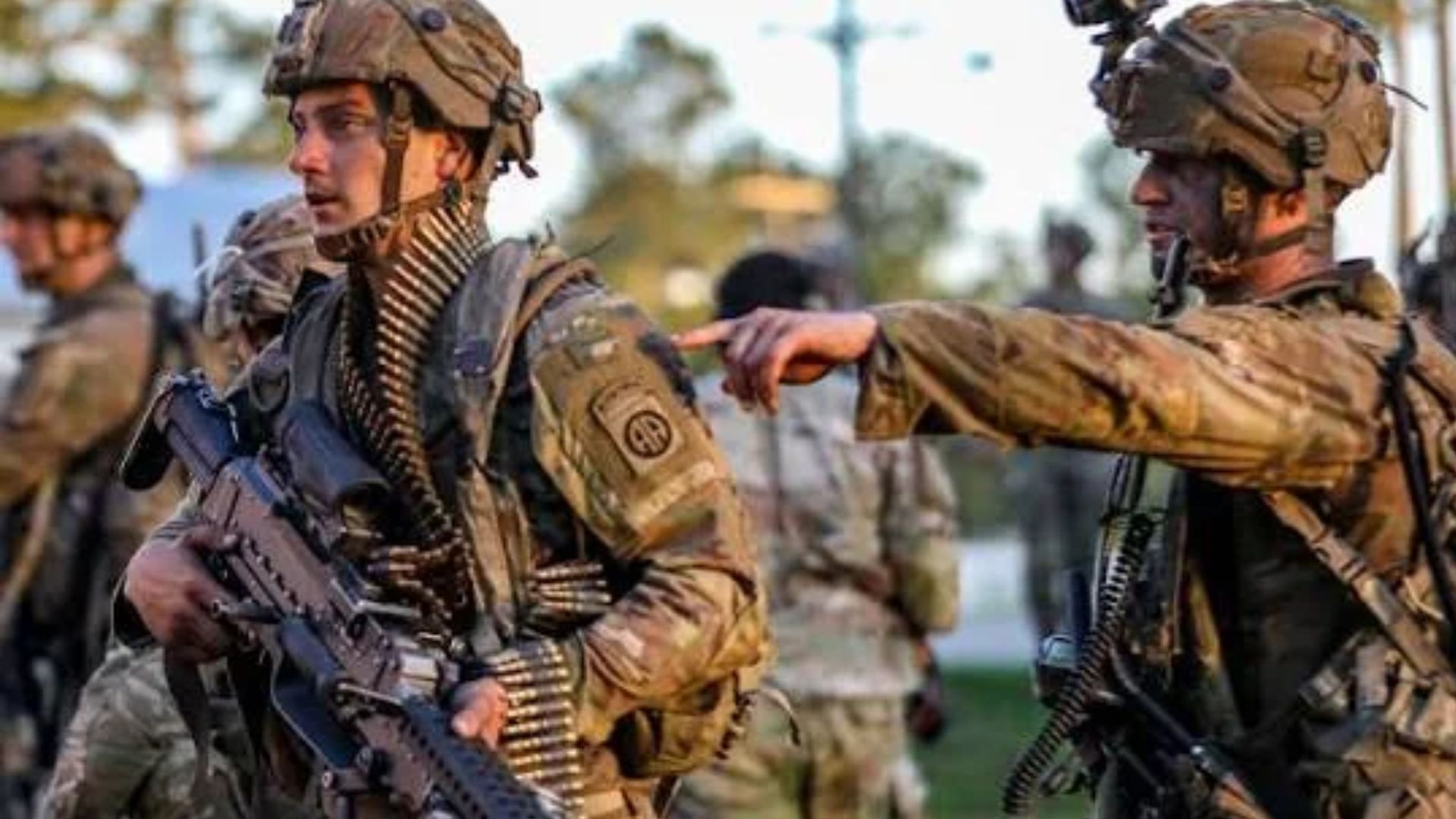
With the changing times, the Indian Army’s combat skills and attitude have also rapidly changed. In terms of numbers, the Indian Army is the fourth largest army in the world. During the tenure of Defense Minister Rajnath Singh, great emphasis has been placed on the Indian Army’s self-reliance. The Army’s attitude has been strengthened. Nowadays, instead of fighting defensively, the Army attacks the enemy in its homeland with aggressive tactics when necessary. During Operation Sindoor, India penetrated 350 kilometers inside Pakistan and destroyed terrorist bases. The current regime is increasing the Indian Army’s aggression. Given the changing global war scenario, it seems that the Indian Army needs to be more prepared. Currently, the Defence Acquisition Council, chaired by Defence Minister Rajnath Singh, has approved defence procurement proposals worth ₹2.12 lakh crore. These include multi-role light helicopters for the Army, long-range reconnaissance UAVs (unmanned aerial vehicles), advanced long-range kamikaze drone systems, and very short-range air defence systems. Equipment such as anti-missile selfpropelled tracked gun systems for the Navy and helicopters and Doppler radars for the Air Force will be procured. According to the Defence Ministry, 82 percent of the total procurement will be made from the Indian defence industry to promote self-reliance in the defence sector. A positive development is that arms manufacturing factories are being established in India with foreign participation, providing access to foreign technologies. Results are emerging. We now not only purchase weapons from powerful Western countries or Russia but also export weapons to third-world countries. The newly approved funds will enhance all three branches of the Army, Air Force, and Navy. With this funding, we are first equipping our Indian Army with suicide drones. We witnessed the power of these drones during the ongoing war between the United States and Iran. Iran countered the combined might of the United States and Israel with these drones. We also want to provide this strength to our military. India’s firepower is being strengthened along the borders with Pakistan and China. 335 K-9 type self-propelled artillery guns are being installed at a cost of ₹20,000 crore. The important thing is that even in these purchases, 90 percent of the equipment will be procured from our indigenous factories. Remember that during Operation Sindoor, the enemy used special drones and swarm technology to target Indian positions on the Western Front. These drones were used for surveillance and precision strikes. The Indian Army has already initiated the process of purchasing the Next Generation Air Defense Gun System (ADG-NG) to meet future challenges. Furthermore, the government approved the purchase of five new S-400 air defense systems in March 2026. We have already seen the power of the S-400 during Operation Sindoor. The Defense Procurement Board previously recommended it. The Russian-made S-400 system is a major asset for the Indian Army. When it was used in Operation Sindoor, it was its first combat use. The above steps clearly indicate that the Indian Army is now abandoning foreign crutches and taking the initiative to stand on its own two feet, so that during any war, we do not have to face the diplomatic challenges of foreign countries refusing to provide timely assistance, creating difficulties for us. This has happened once, and we are determined to prevent it from happening again.
New Delhi: Union Home and Cooperation Minister Amit Shah will undertake a one-day visit to Raipur on Wednesday...
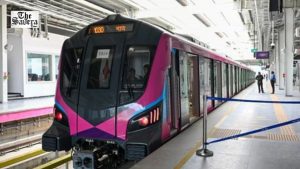
New Delhi: Pune’s urban transport network is set for a major expansion, as the new Metro Pink Line...
Patna: A police Assistant Sub-Inspector (ASI) allegedly opened fire on villagers in Balirajgarh village under Babubarhi police station...

Bollywood actor Tusshar Kapoor received a threatening call allegedly demanding ₹5 crore extortion money. The caller identified himself...

Stay updated with The Savera Times Morning Bulletin, bringing you the latest headlines and top news from Punjab,...

Prime Minister Narendra Modi will inaugurate Pune Metro Line 3 (Man-Hinjewadi to Shivajinagar) via video conferencing on Tuesday.