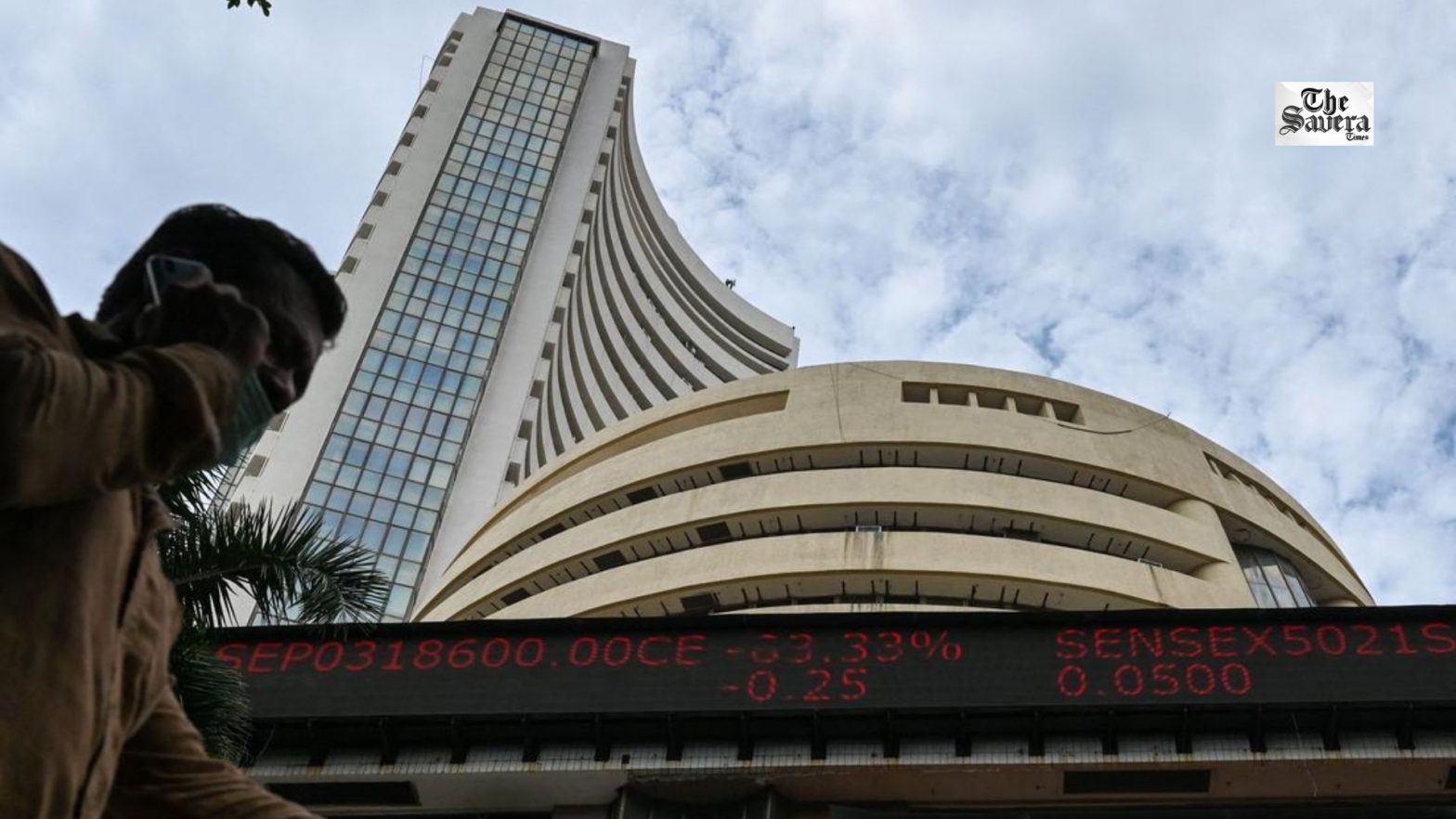
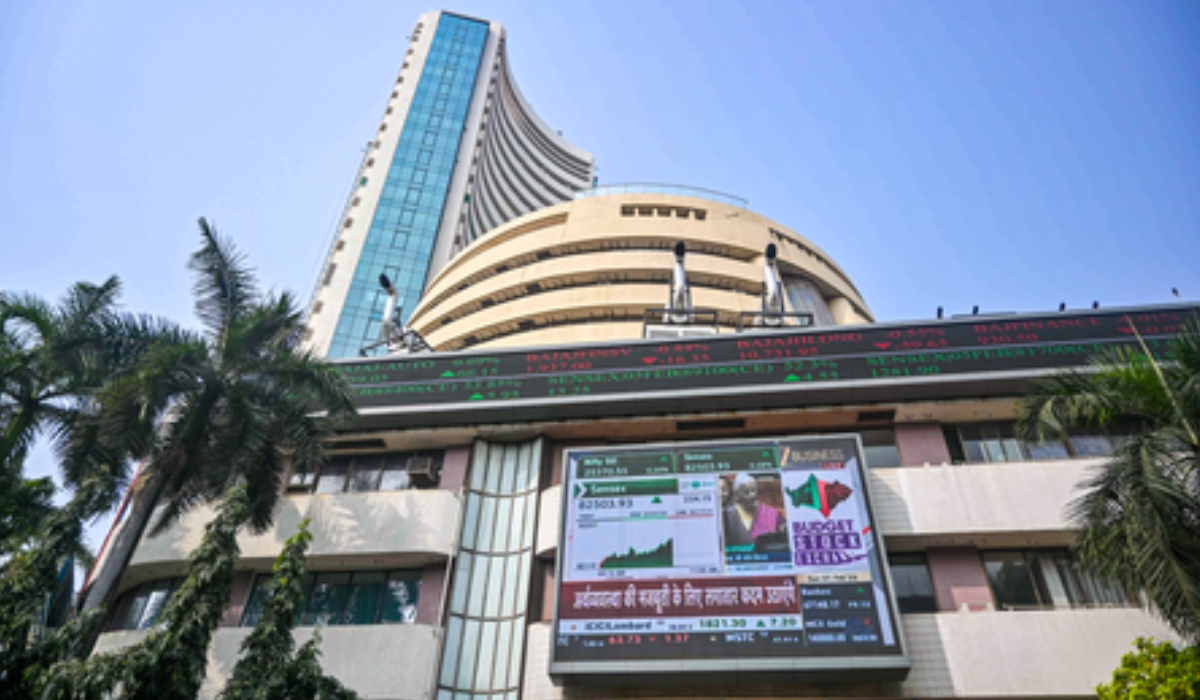
Mumbai: The Indian equity benchmarks posted firm recovery of nearly 2 per cent this week amid renewed buying from foreign institutional investors (FIIs), easing bond yields and favourable domestic earnings results. Nifty added 2 per cent during the week and gained 0.51 per cent on the last trading day to reach 23,053. At close, Sensex.
Mumbai: The Indian stock market opened with a decline on Wednesday, but both key indices, Sensex and Nifty, soon recovered and moved into the green. The market was supported by reduced selling by institutional investors amid hopes of relief in long-term capital gains (LTCG) tax and securities transaction tax (STT). However, weak global cues continued.
New Delhi: Indian equity benchmarks ended higher on Friday, breaking an eight-week losing streak, but market experts believe the sustainability of the rebound will depend on whether the indices can overcome key technical hurdles in the coming sessions. The Nifty rose 1.3 per cent to close at 22,520.45, while the Sensex gained 1.23 per cent.
Foreign investors sold shares worth Rs 30,294 crore during the week ending October 9, 2026, while domestic institutional investors bought Rs 30,313 crore. September also saw net FPI outflows of Rs 35,861 crore, with Financial Services recording the largest sectoral outflow.
The Indian stock market opened on a positive note on Friday. Despite the US suspending several major IT and outsourcing companies from the Permanent Labor Certification Program, the IT sector witnessed strong buying.
Indian equity markets opened largely flat on Thursday, with Nifty near 22,600 as gains in IT and pharma stocks were offset by weakness in financial, FMCG and auto shares.
Indian equity markets extended their losing streak to an eighth consecutive week on Thursday as benchmarks fell about 3 per cent each amid persistent foreign fund outflows, elevated US bond yields and geopolitical concerns.
Domestic equity markets opened subdued on Tuesday with benchmarks slipping about 0.2 per cent each amid a surge in crude oil prices and weak global cues.