Last Updated: October 15, 2026
Last Updated: October 15, 2026





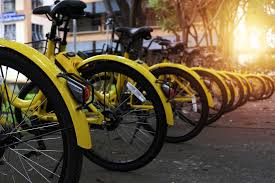
Cycling has experienced a resurgence as urban residents increasingly seek sustainable, healthy, and cost-effective modes of transportation. From major metropolises to smaller towns, bicycles are now seen as more than just recreational tools—they are integral to modern urban mobility.
One of the key drivers of cycling is environmental concern. Cars and motorcycles contribute heavily to air pollution, greenhouse gas emissions, and traffic congestion. Bicycles, on the other hand, are emission-free, require minimal space, and reduce noise pollution. Cities with high cycling adoption rates, such as Amsterdam, Copenhagen, and Portland, have seen measurable improvements in air quality and public health outcomes.
Health benefits are another major factor encouraging cycling. Regular physical activity reduces the risk of heart disease, obesity, diabetes, and stress-related conditions. Unlike gym workouts, cycling integrates exercise into daily routines, making it easier for busy individuals to stay fit. Studies also show that cycling improves mental health, with riders reporting lower levels of anxiety and depression.
Infrastructure development has played a critical role in promoting cycling. Dedicated bike lanes, bike-sharing systems, and secure parking facilities make it easier and safer for residents to adopt cycling as a mode of transport. Cities like Paris and New York have invested in public bike-sharing programs, allowing residents and tourists alike to rent bicycles for short trips. Integration with public transport ensures cyclists can travel longer distances without relying solely on their bikes.
Technological advancements have further enhanced cycling appeal. Electric bicycles (e-bikes) allow riders to cover longer distances with less effort, making commuting feasible for a broader demographic. GPS-enabled bike-tracking apps help cyclists plan routes, monitor performance, and navigate traffic safely. Innovations in lightweight materials, braking systems, and helmets have also improved comfort and safety.
Cycling contributes to urban economy by reducing commuting costs. Bicycle ownership and maintenance are far cheaper than car ownership. Additionally, bike tourism has become a growing industry, with cities promoting cycling tours, trails, and cultural routes. Local businesses benefit from increased foot traffic and environmentally conscious consumers.
Supreme Court: Person Converting from Hinduism to Islam Cannot Claim Backward-Class Muslim Status

Higher reaches of Jammu and Kashmir received the season’s first snowfall, covering Doda, Gurez Valley and Pir Ki...

Mumbai Police has issued a 'Leave India' notice to Bollywood superstar Aamir Khan's nephew and actor Imran Khan....

Ram Kumar Singh, a 71-year-old retired Customs officer, was shot dead outside his home in Ara’s Kanakpuri locality....

Punjab AGTF and Haryana STF arrested Gurlal Singh in connection with Ajmeet Singh’s September 11 murder in Naushera...

Uttar Pradesh Police arrested a 28-year-old alleged criminal after an encounter in Noida’s Sector 63. Police said around...

Aries: The day will be auspicious...