Last Updated: October 15, 2026
Last Updated: October 15, 2026





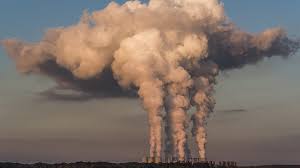
Air pollution is one of the most pressing environmental challenges globally, with far-reaching health, economic, and ecological impacts. Driven by industrial emissions, vehicular traffic, burning of fossil fuels, and urban expansion, air pollution has escalated in recent decades, affecting billions of people worldwide.
Particulate matter (PM2.5 and PM10), nitrogen oxides, sulfur dioxide, carbon monoxide, and volatile organic compounds are major pollutants. These substances infiltrate the respiratory system, causing lung diseases, cardiovascular problems, and premature deaths. The World Health Organization estimates that air pollution contributes to over seven million deaths annually, making it a leading public health concern.
Urban areas are particularly vulnerable due to high population density and industrial activity. Traffic congestion, construction dust, and energy production create concentrated pollution zones. Seasonal variations, such as crop burning or temperature inversions, exacerbate pollution levels, often leading to hazardous air quality episodes. In rural areas, the use of solid fuels for cooking and heating adds to indoor air pollution, disproportionately affecting women and children.
Beyond health, air pollution impacts the environment. Pollutants contribute to acid rain, soil degradation, and water contamination. Visibility reduction and smog affect transportation and tourism. Climate change is linked closely to air pollution, as many pollutants, including black carbon and methane, are potent greenhouse gases contributing to global warming.
Governments and organizations are taking steps to mitigate air pollution. Regulations on industrial emissions, promotion of renewable energy, and transition to electric vehicles are central strategies. Urban planning that includes green spaces, better public transportation, and pedestrian-friendly infrastructure can reduce pollution sources. Awareness campaigns educate citizens about behavioral changes, such as reduced burning of waste and carpooling.
Technological solutions, such as air quality monitoring networks, enable real-time assessment of pollution levels, facilitating early interventions. Air purifiers, emission control devices, and cleaner fuels further support mitigation efforts. Collaboration between policymakers, scientists, and communities is crucial to implement comprehensive, sustainable solutions.
In conclusion, air pollution is a complex global problem with significant health, environmental, and economic consequences. Effective mitigation requires a combination of regulation, technology, and community action. Addressing air contamination not only improves public health but also contributes to climate mitigation and sustainable urban development. Urgent and sustained action is necessary to ensure cleaner air for current and future generations.
Supreme Court: Person Converting from Hinduism to Islam Cannot Claim Backward-Class Muslim Status

Higher reaches of Jammu and Kashmir received the season’s first snowfall, covering Doda, Gurez Valley and Pir Ki...

Mumbai Police has issued a 'Leave India' notice to Bollywood superstar Aamir Khan's nephew and actor Imran Khan....

Ram Kumar Singh, a 71-year-old retired Customs officer, was shot dead outside his home in Ara’s Kanakpuri locality....

Punjab AGTF and Haryana STF arrested Gurlal Singh in connection with Ajmeet Singh’s September 11 murder in Naushera...

Uttar Pradesh Police arrested a 28-year-old alleged criminal after an encounter in Noida’s Sector 63. Police said around...

Aries: The day will be auspicious...