Last Updated: October 15, 2026
Last Updated: October 15, 2026





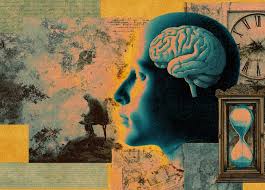
Nostalgia is a powerful emotion. A familiar song, an old photograph, or a childhood scent can instantly transport people back in time. Far from being a simple longing for the past, nostalgia plays a meaningful psychological role in how people cope with the present and imagine the future.
At its core, nostalgia is a reflection of memory and emotion combined. It often emerges during moments of change, uncertainty, or stress. When the present feels unstable, the mind seeks comfort in familiar experiences. These memories provide reassurance and continuity. Psychologists suggest that nostalgia strengthens emotional resilience. Revisiting positive memories reminds people of past happiness, achievements, and relationships.
This reinforcement helps restore confidence and emotional stability during difficult times.Contrary to popular belief, nostalgia is not about escaping reality. Instead, it helps people integrate their past into their present identity. Remembering where one comes from creates a sense of belonging and purpose. It anchors individuals during transitions such as moving cities, changing careers, or aging.Nostalgia also strengthens social bonds. Shared memories—school days, cultural moments, or family traditions—connect people. Talking about the past fosters intimacy and trust. This explains why reunions and old stories feel comforting and meaningful.
Interestingly, nostalgia can inspire optimism. Reflecting on past struggles that were overcome reminds people of their ability to handle challenges. This perspective encourages hope and motivation for the future.Modern media frequently taps into nostalgia through remakes, retro fashion, and classic music revivals. These trends succeed because they trigger emotional familiarity. In fast-changing societies, nostalgia offers stability amid constant novelty. However, balance is important. Excessive nostalgia can prevent people from engaging fully with the present. Healthy nostalgia acknowledges the past without idealizing it unrealistically. It allows appreciation without attachment.
Used wisely, nostalgia becomes a psychological resource. It enhances emotional warmth, strengthens identity, and reinforces resilience. Rather than holding people back, nostalgia—when balanced—helps them move forward with a deeper sense of self.
Supreme Court: Person Converting from Hinduism to Islam Cannot Claim Backward-Class Muslim Status

Higher reaches of Jammu and Kashmir received the season’s first snowfall, covering Doda, Gurez Valley and Pir Ki...

Mumbai Police has issued a 'Leave India' notice to Bollywood superstar Aamir Khan's nephew and actor Imran Khan....

Ram Kumar Singh, a 71-year-old retired Customs officer, was shot dead outside his home in Ara’s Kanakpuri locality....

Punjab AGTF and Haryana STF arrested Gurlal Singh in connection with Ajmeet Singh’s September 11 murder in Naushera...

Uttar Pradesh Police arrested a 28-year-old alleged criminal after an encounter in Noida’s Sector 63. Police said around...

Aries: The day will be auspicious...