Last Updated: October 6, 2026
Last Updated: October 6, 2026





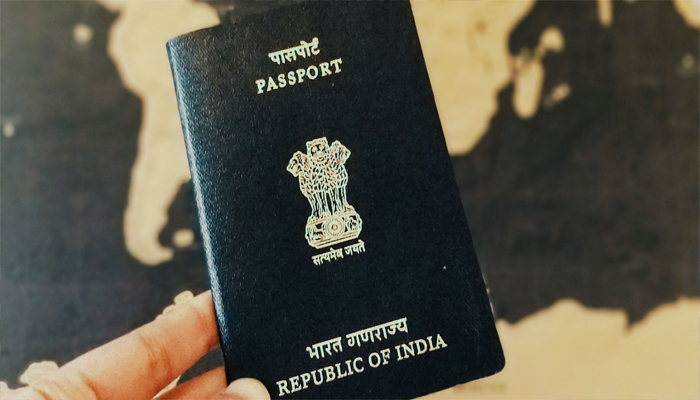
By now, the revelations from Punjab, Haryana and beyond should leave no room for doubt : Pakistan’s High Commission (PHC) staffers in Delhi have systematically abused the visa desk to run espionage rackets on Indian soil. What began as whispers of “visa corruption” has, over the past few months, been laid bare in multiple modules busted during and after Operation Sindoor.
The cases in Malerkotla, Nuh and most recently Palwal reveal a chilling pattern—visa seekers, desperate to visit relatives or shrines across the border, are drawn into a cycle of bribes, blackmail, SIM procurement and intelligence gathering. This is not petty graft; it is espionage under diplomatic cover.
Malerkotla: The Template Emerges
The first crack appeared in Malerkotla, Punjab. Here, a PHC staffer identified as “Danish” (real name later reported as Ehsan-ur-Rahim) was expelled from India after being caught cultivating local residents through the visa route. Investigators found that Guzala, a woman from Malerkotla, was initially rebuffed when she applied for a visa. Later, the same PHC official dangled approval in exchange for her cooperation. Small “facilitation payments” via UPI— rs10,000, then rs20,000—followed. Soon, the carrot turned into a hook: Guzala and another accused, Yameen, were asked to share military-related information. The once-legitimate visa aspirant had been groomed into a reluctant espionage asset. The Malerkotla case exposed the basic recipe: promise a visa, demand a bribe, extract loyalty, and then escalate to intelligence collection.
N u h : S I M C a r d s a s t h e C u r r e n c y o f C o n t r o l
Not long after, Haryana police busted another module in Nuh district. A man named Arman was arrested for supplying SIM cards to a PHC staffer. Investigations showed he had also shared photographs and videos from defence exhibitions with his handler. The emphasis on SIMs is not incidental. Secure, untraceable numbers are the oxygen of such networks. By compelling visa seekers to procure and pass on SIM cards, PHC operatives not only cloak their own communication but also tether their recruits to illegal activity. Once you’ve supplied a SIM that later surfaces in espionage traffic, you’re compromised—and pliant. This was the second ingredient added to the recipe: not just bribes, but telecom conduits for covert communication.
P a l w a l : T h e C o r r u p t i o n – E s p i o n a ge P i p e l i n e i n F u l l
The latest case in Palwal, Haryana, demonstrates how the blueprint has matured into a full pipeline. Waseem Akram, a civil engineer from Hathin, sought a visa to visit family in Kasur, Pakistan. At the PHC, he came into contact with “Jaffer,” another official later linked to espionage. Jaffer first rejected the application, then relented— on conditions. Waseem was told to deliver 50 kg of flour, one kilo of ghee, andrs 6,000 in cash. Only after that barter was his visa stamped. After Waseem’s trip in May 2022, Jaffer kept him on the hook via WhatsApp. He offered a “business proposition”: Waseem could act as a financial conduit for visa applicants, receiving money into his account and then delivering it as cash. For this, Jaffer promised him a ten percent commission. What followed was classic tradecraft. Around rs 4 lakh was deposited into Waseem’s account. Jaffer instructed him to withdraw the cash, and even sent intermediaries to collect it—once an associate named Akram to pick up rs 80,000 and a SIM card, later one Sarfuddin from Nuh to take rs 1.5 lakh. When Waseem tried to break away, blocking Jaffer’s number, the threats began. Jaffer warned he would “inform the police” unless Waseem complied. Fearful, Waseem paid up, but eventually stopped responding. He was arrested on September 30 after another accused, Toufik, disclosed his role in a linked espionage FIR. The Palwal module shows the racket in its starkest form: visa as bait, corruption as glue, SIMs as tools, blackmail as enforcement, and ordinary Indians as expendable cogs in an espionage machine.
Why the Visa Desk Is the Perfect Trap Three factors make this strategy devastatingly effective.
The Strategic Danger
Diplomatic cover gives PHC officials a shield until India declares them persona non grata. By then, the damage is done: data stolen, networks seeded, local conduits compromised. Each arrested villager or petty worker is a reminder that espionage no longer requires James Bond theatrics—it thrives in everyday desperation. The real danger lies in replication. If one Guzala in Malerkotla, one Arman in Nuh, and one Waseem in Palwal can be trapped, then dozens more may already be in the net—waiting to be activated, or too scared to step out.
Plugging the Visa Hole
India’s response must be multilayered. Oversight of visa desks at the PHC should be tightened with joint monitoring by security and diplomatic agencies. Telecom regulators must flag suspicious clusters of SIM procurement in border districts. Banks should be alert to sudden deposits in accounts of ordinary applicants. Most importantly, visa seekers must be given safe channels to report extortion or unusual demands without fear of reprisal. The lesson of Malerkotla, Nuh and Palwal is clear: the visa window is not just a bureaucratic counter. In the wrong hands, it has become a spy portal— one that corrupts, coerces, and compromises the very people it was meant to serve. Until that loophole is shut, every hopeful applicant queuing up for a stamp carries the risk of being the next pawn in a cynical espionage game.
New Delhi: The Delhi High Court has declared the Nehru Place District Centre, except for a designated portion,...
New Delhi: Amid the INDIA bloc’s protest against Chief Election Commissioner (CEC) Gyanesh Kumar on Tuesday, Leader of...

Mumbai: Orient Cables shares plunged 10 per cent to hit the lower circuit at Rs 364.50 on Tuesday,...
Good Afternoon Viewers! Get all the latest updates with The Savera Times Afternoon Bulletin, covering the top news...

Lucknow: All eight Rajya Sabha candidates of the Bharatiya Janata Party (BJP) from Uttar Pradesh filed their nominations...
Indore: Two people were detained after stones were allegedly pelted at police and a civic body team during...
Aries: The day will be auspicious...