Last Updated: October 6, 2026
Last Updated: October 6, 2026





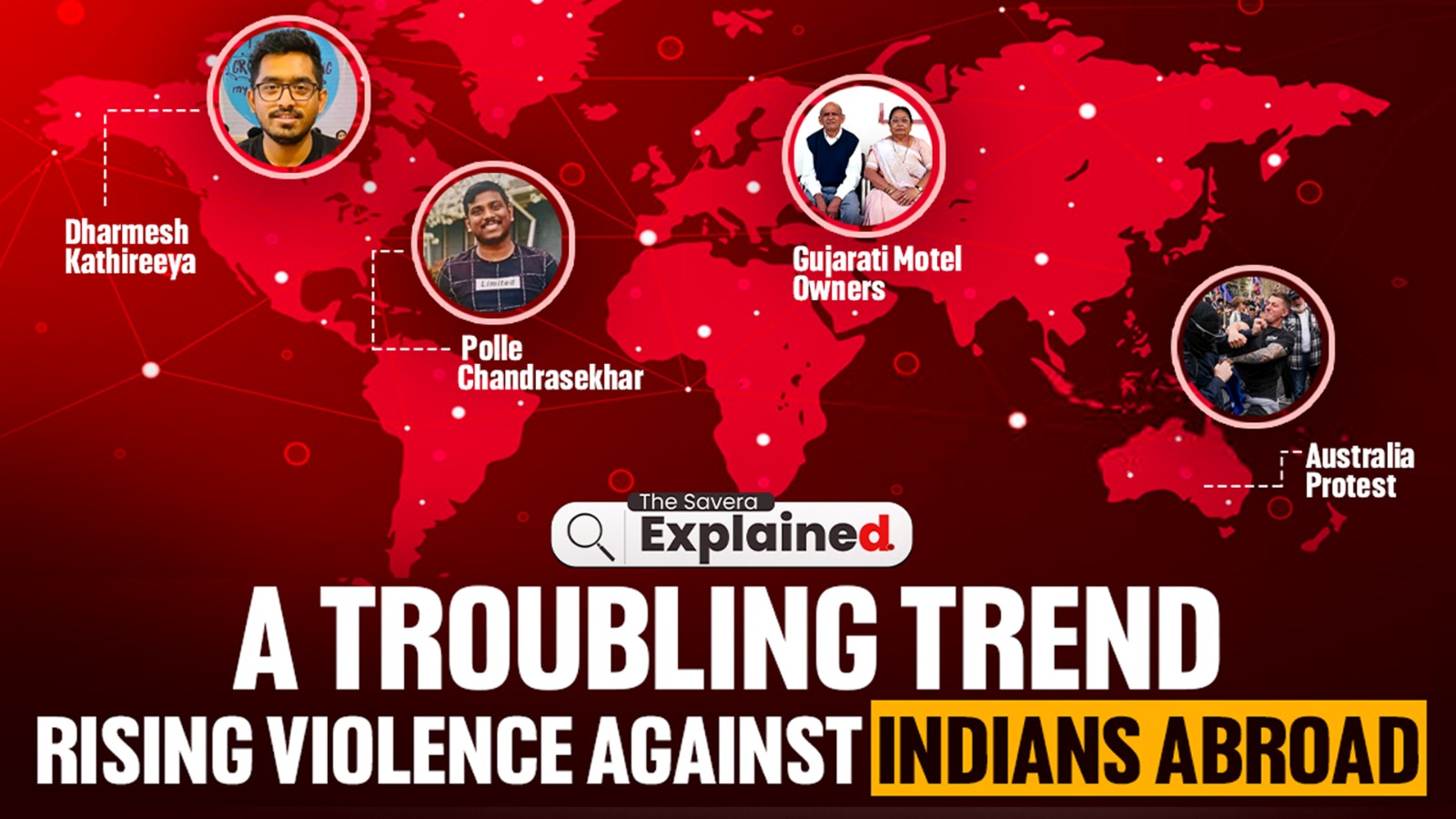
New Delhi: In recent months, Indian immigrants in countries like Canada, Ireland, Australia, and the United States have faced increasing violence and hostility. These incidents, often fueled by anti-immigrant feelings tied to economic pressures, have led to injuries, deaths, and deep fear.
Many stories only come to light through viral videos or family pleas, while others remain hidden, leaving families in India powerless and grieving from afar.
According to India’s Ministry of External Affairs, reported attacks on Indian nationals overseas rose from 29 in 2021 to 86 in 2023, with the U.S. seeing the highest number at 12 incidents that year. Today, we’ll look at key cases, patterns, and data to understand what’s happening.
In Canada, home to over a million Indian immigrants, attacks have surged, especially against Sikhs and other South Asians. Police-reported hate crimes targeting South Asians jumped 227% from 2019 to 2023, according to Statistics Canada. In Toronto alone, anti-South Asian incidents nearly tripled, from 14 in 2023 to 41 in 2024.
One heartbreaking case is that of Dharmesh Kathireeya, a 27-year-old from India stabbed to death by his neighbor in Ontario in April 2025. The neighbor had repeatedly used racial slurs and Hinduphobic abuse against him and his family. Though police didn’t label it a hate crime at first, community leaders say it was clearly motivated by bias.
Ireland, with its growing Indian population of professionals and students, has seen a wave of brutal attacks linked to the housing crisis and resentment over immigration. Between July and August 2025 alone, there were at least 11 reported assaults on people of Indian origin. Victims include vulnerable groups like children and workers.
In August 2025, three teenagers in Dublin knifed an Indian man while shouting racist slurs.
Just weeks ago in October, a woman in Dublin verbally attacked an Indian immigrant, yelling “go back to India.” Other cases involve a six-year-old girl beaten in a park and professionals targeted by teen gangs in unprovoked street assaults.
These incidents, often filmed and shared online, highlight how economic frustrations turn into targeted hate. Families back home in India watch helplessly as videos surface, mourning the loss of safety their relatives sought abroad.
In the U.S., where Indian Americans run about 60% of motels, violence often masks robbery but stems from racial anxiety. This year, 2025, has seen at least four fatal attacks on Indian-origin people, up from previous years.
Last week, three Gujarati motel owners were killed in separate shootings in Pennsylvania and North Carolina, bringing the total to seven Gujarat-origin deaths in U.S. motel crimes this year. In another tragedy, Polle Chandrashekhar, a student from Hyderabad, was shot dead at a Texas gas station in a robbery gone wrong. These cases echo a pattern: quick dismissals as “random” crimes, but experts point to underlying anti-immigrant sentiment.
Australia’s Indian diaspora, over 700,000 strong, faces hostility amid inflation and housing worries. In 2025, “March for Australia” protests explicitly targeted Indian immigrants, with chants and signs blaming them for economic woes. Post-protest, racist abuse persists, from slurs in public to online threats.
While specific deaths are rarer here, physical assaults and vandalism have risen, with Indian students reporting daily fear. One September 2025 rally in Melbourne turned violent, injuring several South Asian attendees. These events amplify far-right narratives, making public spaces unsafe.
Across these countries, socioeconomic strains like housing shortages and job competition drive the hate, worsened by online extremism and populist talk. Many attacks go unreported—videos bring some to light, but countless others fade silently.
In Canada, South Asian hate crimes rose 143% from 2019 to 2022 alone. Globally, MEA data shows attacks doubling from 2021 to 2023. In Ireland, 2025’s 11 summer incidents mark a sharp escalation from 2024’s scattered reports. Australia’s protests are new in scale for 2025, building on 2024’s online spikes. The U.S. saw motel killings quadruple from early 2024 estimates.
But in every story, there’s a child like Polle Chandrashekhar, whose young dreams of study were ended by a bullet, leaving his parents in Hyderabad shattered and unable to even attend his funeral. Or Dharmesh Kathireeya’s family, enduring slurs before his death, now advocating quietly from India.
The Gujarati motel owners’ wives and children, rebuilding lives after sudden loss, send pleas home for justice. These aren’t just stories—they’re families torn apart, with Indian relatives watching news clips, fundraising for repatriation, or simply crying in silence, powerless against borders and bias.
This rise in violence reminds us that immigrants like these Indians contribute immensely—as doctors, students, business owners—yet face scapegoating in tough times. Governments must track hate better, communities build bridges, and we all call out online poison.
Imagine being seriously injured inside a flying aircraft, with blood on your clothes, passengers in panic and the...

Imagine the world’s biggest diesel exporter turning off its export taps. That is the concern after US President...

For India’s pharmaceutical industry, the latest US tariff decision brings relief — but not across the entire medicines...

One handshake, two superpowers and a long list of disagreements. US President Donald Trump and Chinese President Xi...

A river does not understand borders. But when two countries sharing that river are locked in a long-running...

A voter list revision — and now a software controversy A voter may have the right to vote,...

Aries: The day will be auspicious...