Last Updated: October 18, 2026
Last Updated: October 18, 2026





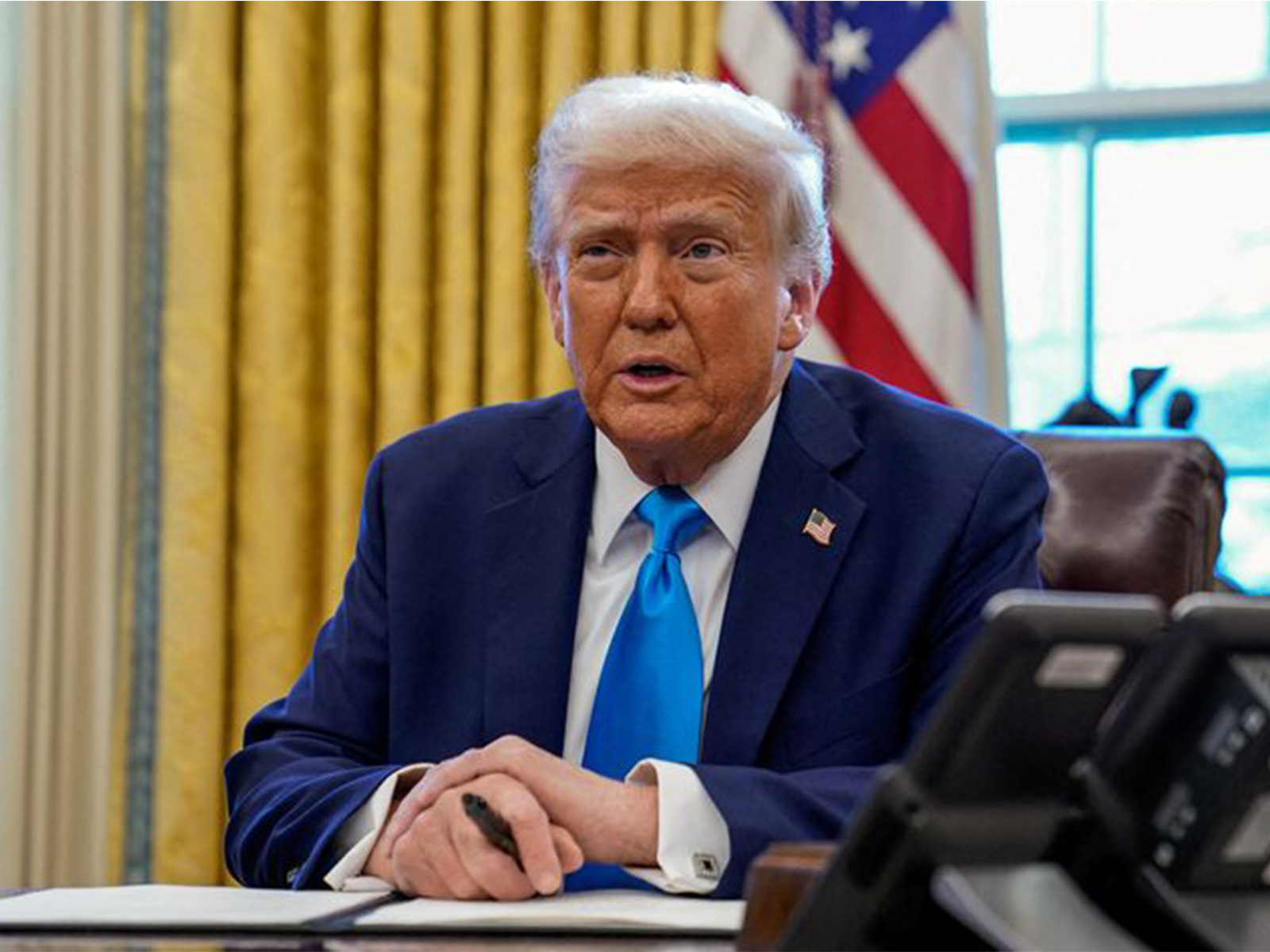
United States President Donald Trump has announced sweeping changes to the H-1B visa programme, unveiling a new executive order that could redefine the landscape of skilled immigration. On Friday, September 19, Trump signed a proclamation imposing a \$100,000 (Rs 88 lakh) annual application fee on H-1B visas, a sharp jump from the current \$215 (Rs 18,940). The move, positioned as a safeguard for American workers, is expected to hit Indian professionals the hardest while also straining US tech companies that rely heavily on foreign talent.
A sharp turn in visa costs
The H-1B visa allows US companies to hire foreign workers in speciality occupations, typically valid for three years and extendable to six. Until now, the fee was only a few hundred dollars. Under Trump’s order, companies will have to pay \$100,000 per year for each H-1B worker, potentially tripling costs if sponsorship extends across multiple years. The White House insists the higher fee will ensure only the most highly skilled professionals are brought in.
Trump, speaking from the Oval Office, defended the decision as necessary to prioritise Americans. “We need great workers, and this pretty much ensures that that’s what’s going to happen,” he said. US Commerce Secretary Howard Lutnick added that the reform would push companies to train local graduates instead of relying on foreign recruits. “Stop bringing in people to take our jobs,” Lutnick said, signalling a tougher stance on foreign labour.
India’s stake in H-1B visas
Indians are the largest group of H-1B visa holders, accounting for 71 per cent of approved applications in 2024, followed by China with nearly 12 per cent. Most Indian workers are employed in science, technology, engineering and mathematics (STEM) fields, with about 65 per cent in computer-related roles. The median salary for Indian H-1B holders is estimated at \$118,000 (Rs 1.04 crore). Analysts say the steep rise in fees could discourage US firms from hiring recent graduates or early-career professionals from India. Smaller companies and start-ups may also struggle to absorb the increased costs. While large firms such as Amazon, Microsoft and Meta remain among the top sponsors, industry observers warn that the new fee regime could deter even these giants over time.
Industry concerns
Critics argue the change undermines America’s ability to attract global talent. “Adding new fees creates disincentive to attract the world’s smartest talent to the US,” Deedy Das, partner at Menlo Ventures, said on social media. “If the US ceases to attract the best talent, it drastically reduces its ability to innovate and grow the economy.”
The US currently caps H-1B visas at 85,000 per year, including 20,000 reserved for advanced degree holders from American universities. According to Lutnick, the new costs will likely reduce issuances well below this cap, as many firms may find it “just not economic anymore.”
Amazon alone secured more than 12,000 H-1B approvals in the first half of this year, while Microsoft and Meta each crossed 5,000, Reuters reported. A jump from a few hundred dollars to \$100,000 per worker annually could mean millions of dollars in added expenses for these firms.
India’s response
Back in India, the change has been interpreted as both a challenge and an opportunity. Former NITI Aayog CEO Amitabh Kant suggested that while US innovation might suffer, India’s tech hubs stand to gain. “America’s loss will be India’s gain,” he wrote, pointing to the potential for labs, patents and start-ups to shift towards Indian cities like Bengaluru, Hyderabad, Pune and Gurugram.
Legal challenges ahead
Despite the announcement, legal experts question whether the executive order can withstand scrutiny. Under US law, visa fees are generally set to recover administrative costs, not to serve as economic disincentives. Aaron Reichlin-Melnick of the American Immigration Council said the new fee raises legal red flags. “Congress has only authorised the government to set fees to recover the cost of adjudicating an application,” he noted. Doug Rand, a former official at US Citizenship and Immigration Services, described the move as “ludicrously lawless,” suggesting courts may strike it down. For Trump, however, the political message appears to matter more than the legal fine print. “Trump gets his headlines, and inflicts a jolt of panic,” Rand said, “and doesn’t care whether this survives first contact with the courts.”
Gold card visa unveiled
Alongside the H-1B fee hike, Trump rolled out a new “gold card” visa pathway. Under this programme, wealthy foreigners can obtain fast-track residency and eventual citizenship in exchange for substantial payments. A \$1 million contribution would secure a gold card, while companies sponsoring an employee would pay \$2 million. A premium “Trump Platinum Card,” priced at \$5 million, would allow foreigners to stay in the US for up to 270 days a year without paying taxes on non-US income.
Lutnick said the scheme would replace some employment-based visas, including those historically used by professors, scientists and athletes. The US, he argued, should only admit “extraordinary people at the very top.”
A broader crackdown
The fee hike and gold card scheme are the latest steps in Trump’s broader crackdown on immigration. Critics say these changes reshape the balance of who gets to work or settle in the US, privilegiang the wealthy while closing doors to skilled workers from abroad. For Indian professionals, the sudden jump in visa costs may mean fewer opportunities in America, even as demand for their skills grows globally.
For US companies, especially in the tech sector, the new order signals higher costs, potential talent shortages and fresh uncertainty in a competitive market.
As the legal and economic debates unfold, one fact is clear: the \$100,000 price tag on H-1B visas represents a turning point in US immigration policy, with consequences extending
Increasing Houthi attacks on Saudi Arabia are testing Pakistan’s ability to defend Riyadh without affecting its ties with...
Nepal is seeking substantial financial assistance from India ahead of Prime Minister Balendra Shah’s proposed visit to New...

The race to succeed Antonio Guterres remains uncertain after three leading candidates faced opposition from two permanent members...

Democratic lawmakers have criticised Donald Trump for waiving key sanctions and tariff provisions under the Graham Act, citing...
Shipping Minister Sarbananda Sonowal confirmed that all 24 Indian seafarers aboard two vessels struck in separate incidents in...

Katie Zacharia has left her role as White House press secretary less than a week after her appointment....
Aries: The day will be auspicious...