Former U.S. President Donald Trump has urged countries such as Japan and South Korea to deploy ships to help keep the Strait of Hormuz open amid escalating tensions in the Middle East. The appeal comes as maritime traffic through the crucial oil route has been disrupted due to the ongoing conflict involving Iran.
In a message posted on social media, Trump said that nations which depend on oil transported through the Strait should take responsibility for protecting the passage. He suggested that countries including Japan, South Korea, China, France and the United Kingdom could contribute naval ships to ensure safe navigation in the region.
Strait of Hormuz crucial for global energy supply
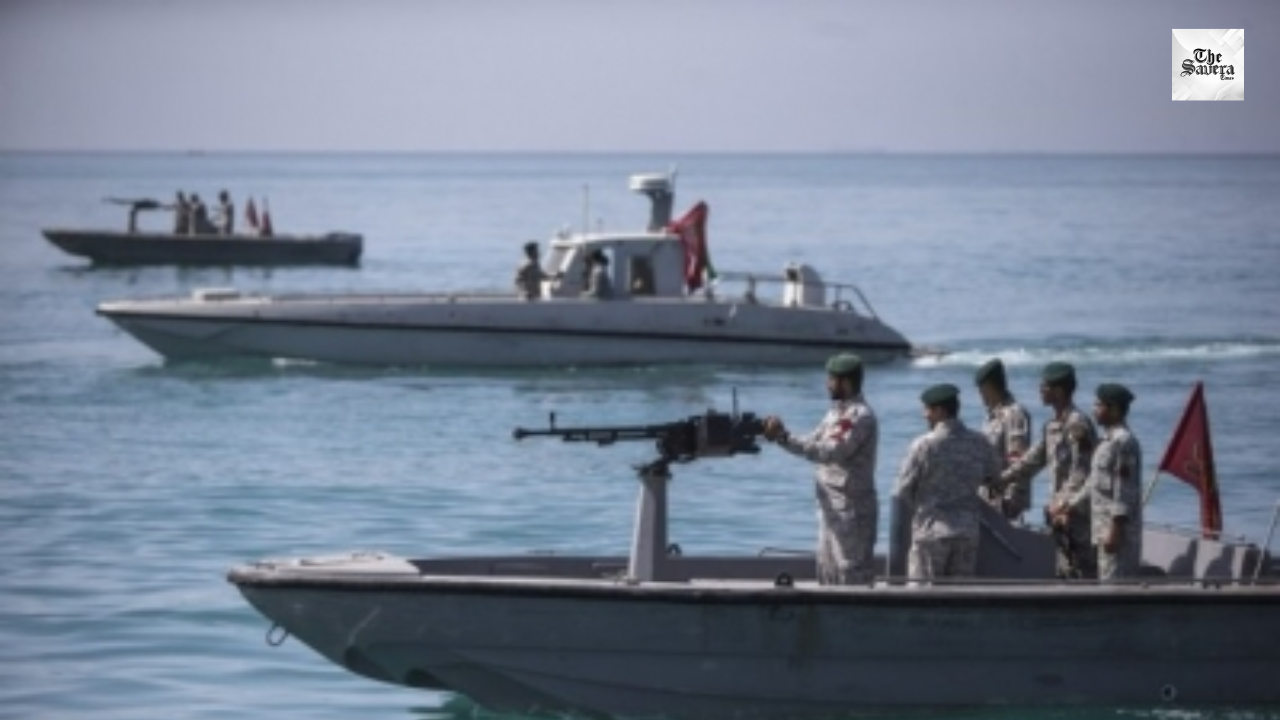
The Strait of Hormuz, located between the Persian Gulf and the Gulf of Oman, is one of the world’s most important maritime chokepoints for oil and gas transportation. Around 20 percent of global oil and liquefied natural gas supplies pass through this narrow waterway each day.
Recent military tensions and attacks on vessels have significantly disrupted shipping in the region, causing a sharp decline in tanker traffic and raising fears of a global energy crisis. Oil prices have also surged due to concerns about supply shortages and potential long-term disruptions.
Rising tensions with Iran
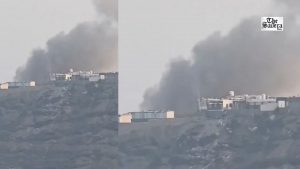
The appeal from Trump comes amid an intensifying conflict between the United States and Iran. Iranian forces have reportedly launched drone and missile attacks in the region, while the U.S. and its allies have carried out strikes on Iranian military infrastructure.
According to reports, the conflict has already led to damage to several ships and has forced many commercial vessels to halt their transit through the strait. This has further heightened global concerns over energy security and the safety of international shipping lanes.
Trump warned that despite heavy damage to Iran’s military capabilities, the country could still deploy drones, mines and short-range missiles to target ships in the waterway. He stressed that the international community must work together to prevent further disruption.
International pressure on Asian allies
Trump’s statement has also placed diplomatic pressure on U.S. allies such as Japan and South Korea. Both countries depend heavily on Middle Eastern oil imports and rely on safe passage through the Strait of Hormuz for their energy security.
However, deploying naval forces to an active conflict zone could raise legal and political challenges for some countries. For example, Japan’s pacifist constitution limits the circumstances under which its military can participate in overseas operations.
Despite these challenges, analysts say the growing instability in the region may push several nations to coordinate with the United States in securing the vital sea route.
Global economic implications
The situation in the Strait of Hormuz has raised alarm among governments and global markets because of its direct impact on energy supplies. Disruptions in the waterway could significantly affect oil prices and global trade.
Experts warn that if shipping traffic remains blocked or restricted, it could trigger wider economic consequences, including higher fuel costs and increased inflation worldwide.
As tensions continue in the Middle East, international efforts to safeguard the Strait of Hormuz are expected to intensify in order to maintain stability in global energy markets and protect one of the most critical maritime routes in the world.