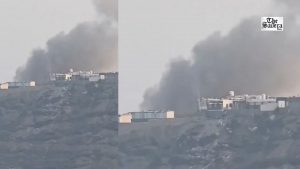
Global oil prices experienced sharp fluctuations after former US President Donald Trump issued strong warnings to Iran over possible disruption of oil shipments through the Strait of Hormuz, a critical global energy route. The warning came amid escalating military tensions in the Middle East following US-Israel strikes on Iran and the risk of retaliatory action from Tehran.
Oil prices initially surged due to fears of supply disruptions but later declined after Trump suggested the conflict could end soon and reassured markets about stabilising global energy supplies.
Energy markets have remained highly sensitive to developments in the Gulf region, as nearly one-fifth of the world’s oil supply passes through the Strait of Hormuz.
Trump’s ‘Fire and Fury’ Warning to Iran
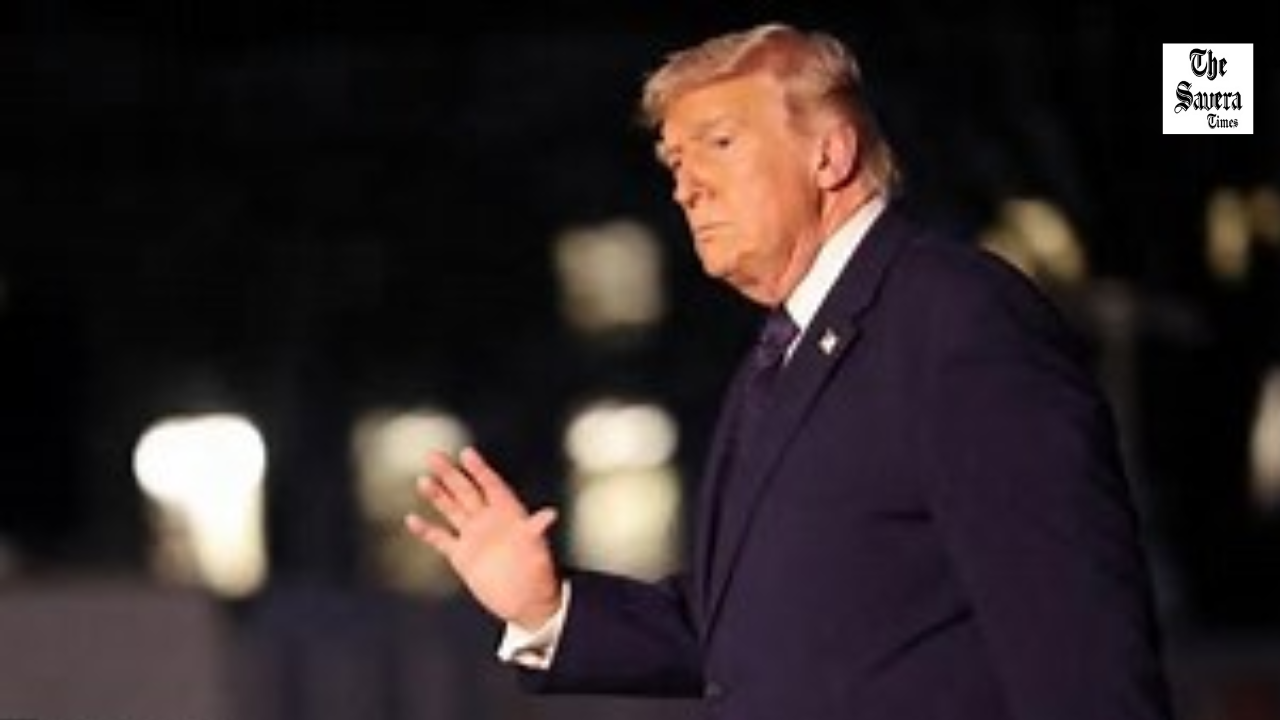
In a strong message to Tehran, Trump warned that the United States would respond with “death, fire and fury” if Iran attempted to block the Strait of Hormuz or disrupt global oil shipments.
He also urged oil tanker operators to continue navigating the strategic waterway and downplayed fears of escalation, stating that the conflict with Iran could be resolved “very soon.”
The warning followed Iranian threats to halt regional oil exports if military attacks on the country continued.
Why the Strait of Hormuz Matters
The Strait of Hormuz is one of the world’s most important maritime chokepoints for energy supplies. Around 20% of global oil and liquefied natural gas shipments move through this narrow passage connecting the Persian Gulf with the Arabian Sea.
Any disruption in this corridor can significantly impact global fuel supplies and prices. The ongoing crisis has already reduced tanker traffic in the region and forced several shipping companies to suspend operations temporarily.
Experts warn that prolonged disruption could push oil prices sharply higher and affect economies worldwide.
Oil Prices Swing Dramatically
The geopolitical tensions initially pushed oil prices above $119 per barrel, the highest levels seen in several years. However, prices later dropped to around $91 per barrel after Trump’s comments suggested the war might be short-lived.
Analysts say the sudden swings in oil prices highlight the uncertainty surrounding the conflict. Markets reacted quickly to any indication that the situation might escalate or de-escalate.
In addition, Trump announced that the US could temporarily relax certain oil-related sanctions to ensure adequate global supply, which further eased market fears.
Global Economic Concerns
The conflict and energy market volatility have raised concerns about inflation and economic stability worldwide. Rising oil prices can increase transportation and manufacturing costs, potentially slowing global economic growth.
Several countries have already taken precautionary measures. Some governments have imposed temporary fuel price caps or introduced energy-saving steps to shield their economies from sudden price spikes.
Financial analysts warn that continued instability in the Middle East could lead to prolonged market volatility.
Outlook: Uncertainty Continues
Although oil prices have temporarily declined, experts caution that the situation remains fragile. Any further military escalation in the region or an actual blockade of the Strait of Hormuz could again push oil prices sharply upward.
With global energy markets closely watching developments, diplomatic and military moves by both the United States and Iran will likely determine whether oil prices stabilise or face another surge in the coming weeks.
The unfolding crisis highlights how geopolitical conflicts in key energy regions can rapidly affect global markets and fuel costs for countries around the world.