Last Updated: October 16, 2026
Last Updated: October 16, 2026





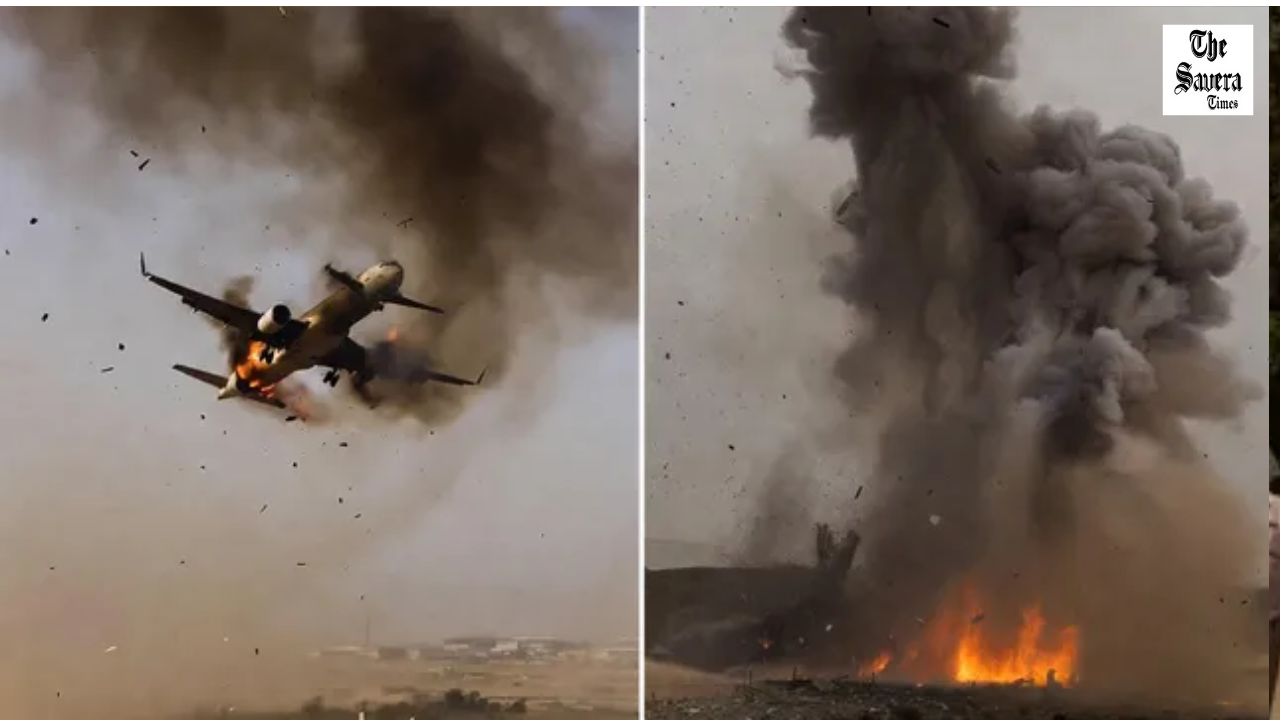
The ongoing conflict involving the United States, Israel and Iran has escalated sharply, with fresh explosions reported in Iran’s capital Tehran and a U.S. military aircraft crashing in Iraq. The developments come amid growing fears that the war could expand further across the Middle East.
The conflict began after large-scale U.S. and Israeli strikes on Iranian military and nuclear facilities earlier this year. Since then, missile attacks, drone strikes and military operations have intensified across several countries including Iraq, Lebanon and Gulf states.
Recent incidents indicate that the situation remains highly volatile, with both sides continuing retaliatory actions.
In a major development, a U.S. Air Force KC-135 Stratotanker aerial refuelling aircraft crashed in western Iraq during operations connected to the ongoing war. The aircraft reportedly went down while flying in what officials described as “friendly airspace.”
According to the U.S. Central Command, two aircraft were involved in the incident. While one plane crashed, the second aircraft managed to land safely. Authorities clarified that the crash was not caused by enemy fire or friendly fire, though the exact reason behind the incident is still under investigation.
Rescue teams were immediately dispatched to the crash site, and officials are still assessing the condition of the crew members who were onboard the aircraft. The KC-135 is a key military tanker used to refuel fighter jets and bombers during long-distance operations.
Meanwhile, reports from Iran indicate that multiple explosions were heard in Tehran and nearby areas as Israeli airstrikes targeted strategic locations in the Iranian capital. Videos circulating online showed thick smoke rising over parts of the city.
The strikes are believed to be part of Israel’s ongoing military campaign aimed at weakening Iran’s military capabilities and targeting key infrastructure. In response, Iran has launched missile and drone attacks toward Israeli territory and U.S. interests in the region.
Residents in Tehran have reported panic and disruptions, while authorities have increased security measures across major cities.
Amid the escalating conflict, reports have also emerged about injuries to Iran’s new Supreme Leader Mojtaba Khamenei. According to Iranian diplomatic sources, he was injured during an earlier airstrike that killed his father, former Supreme Leader Ayatollah Ali Khamenei.
The attack reportedly destroyed the Supreme Leader’s residence in Tehran, leaving Mojtaba Khamenei with injuries to his arms, legs and hand. Since then, he has not appeared publicly and has been delivering statements through state media due to security concerns and his health condition.
Despite the injuries, he has taken over leadership of Iran and vowed to continue resistance against the United States and Israel.
The ongoing war has already resulted in heavy casualties, damage to infrastructure and disruption to global energy markets. Oil prices have surged and international shipping routes such as the Strait of Hormuz are facing heightened security risks.
Several countries have called for diplomatic efforts to de-escalate the conflict, warning that a prolonged war could destabilize the entire region and affect the global economy.
For now, military operations continue on multiple fronts, with the world closely watching whether the crisis will escalate into a broader regional war.
Air India and Air India Express have suspended flights to Riyadh, Jeddah and Dammam until October 20. IndiGo...

Manjit Singh Bedi, 64, has been returned to the United States after being arrested in India. He faces...

A Houthi attack on the al-Maashiq Presidential Palace in Aden killed five people and injured 16, amid intensifying...
A shooting at Silver Rail Elementary School in Bend, Oregon, left three children and a teacher dead. The...

Prime Minister Narendra Modi will visit Canada on December 11-12, 2026, with both countries aiming to strengthen strategic...

US Vice President JD Vance has warned that anyone found selling access to the White House should face...

Aries: The day will be auspicious...