Last Updated: October 16, 2026
Last Updated: October 16, 2026





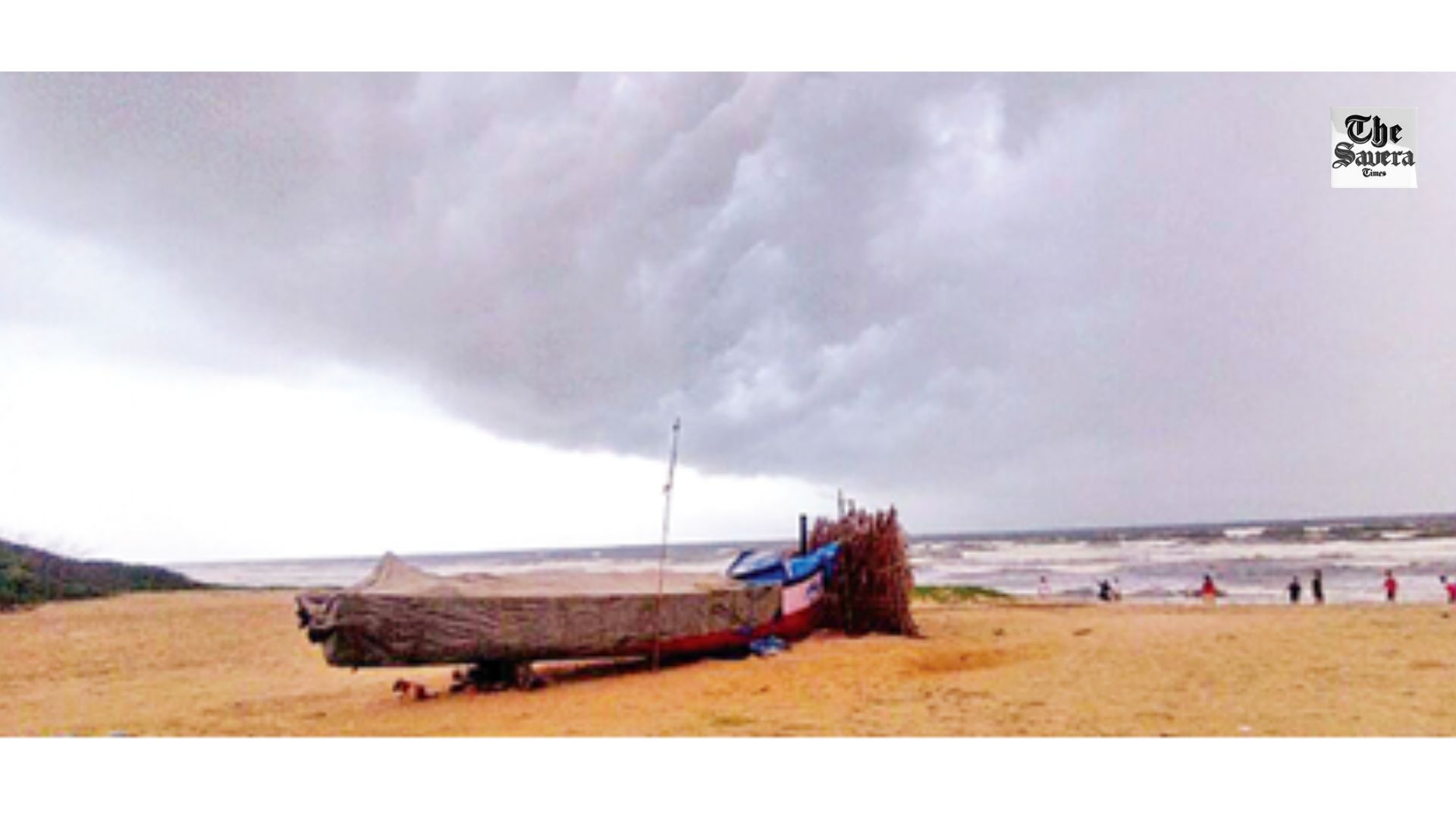
Unpredictable weather patterns are becoming increasingly c o m m o n across the world. Sudden heatwaves, unseasonal rainfall, thunderstorms, floods, droughts, and cold spells are affecting daily life, agriculture, public health, and the economy.
These weather vagaries are largely linked to climate change, environmental degradation, and rapid urbanisation. In India too, people are witnessing abrupt changes in temperature and rainfall that often disrupt normal routines and create health and safety risks. Extreme heat can lead to dehydration, heatstroke, fatigue, and other serious illnesses, especially among children and the elderly. Heavy rains and floods can damage homes, roads, and crops, while also increasing the spread of waterborne diseases. Strong winds and lightning during storms pose additional dangers to life and property. Farmers are among the worst affected as uncertain weather impacts crop production and livelihoods. To reduce risks, people must stay alert and take proper precautions. During heatwaves, staying hydrated, avoiding direct sunlight during peak hours, and wearing light cotton clothes can help protect health. In periods of heavy rain, it is important to avoid waterlogged areas, keep emergency supplies ready, and ensure proper drainage around homes. People should also regularly follow weather updates issued by authorities and avoid unnecessary travel during severe conditions. Planting more trees, conserving water, and reducing pollution are equally important long-term measures. As weather patterns continue to change, awareness, preparedness, and collective environmental responsibility are essential to safeguard lives and communities.
Varanasi: A massive explosion triggered the collapse of a two-storey building in Uttar Pradesh’s Varanasi on Thursday, leaving...

Sofia: A vessel sailing under the flag of San Marino caught fire in the Black Sea near Romania...

New Delhi: Accusing the Congress of double-speak on women dignity, the Bharatiya Janata Party (BJP) Mahila Morcha on...

New Delhi: NITI Aayog’s Frontier Tech Hub released a Data Centre Evaluation Framework to help states plan for...
New Delhi: The Supreme Court on Thursday referred the cheque dishonour cases against actor and comedian Rajpal Yadav...

Mirzapur: Uttar Pradesh Chief Minister Yogi Adityanath on Thursday accused the Samajwadi Party (SP) and the Congress of...
Aries: The day will be auspicious...