Last Updated: October 15, 2026
Last Updated: October 15, 2026





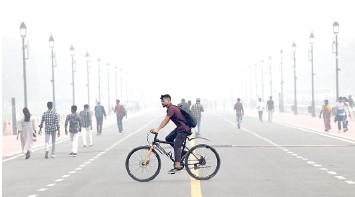
In India, public spaces have often been treated as afterthoughts—leftover land between roads, buildings, and commercial zones. Parks, libraries, footpaths, and community grounds were rarely seen as essential infrastructure. Yet across the country, a quiet shift is underway. From small neighbourhood parks to reclaimed riverfronts and revived town squares, India is slowly relearning the value of shared spaces.
Public spaces matter because they are among the few places where social boundaries soften. In a country deeply divided by class, caste, gender, and religion, a park bench or walking path offers rare neutrality. Children play together, elderly people walk side by side, and strangers coexist without formal invitation. These everyday interactions may seem insignificant, but they form the social glue of urban and semi-urban life.
The renewed attention to public spaces is partly driven by necessity. India’s cities are dense, noisy, and increasingly stressful. For millions living in small homes, public areas function as extensions of private space. Morning walks, evening conversations, and informal exercise routines depend on access to safe, open environments. Without them, mental and physical health costs quietly rise.Small towns are offering important lessons. In many district centres, public spaces still revolve around bus stands, markets, playgrounds, and temple courtyards. While often poorly maintained, these areas remain socially active. People linger, talk, and observe. Unlike gated parks or ticketed attractions, they allow spontaneous use. Preserving this openness as towns modernise will be crucial.
Women’s access to public spaces remains a defining challenge. A space that exists but feels unsafe is effectively closed. Improvements in lighting, visibility, and regular use can transform perception. Where women are seen walking, exercising, or sitting without purpose, public spaces become more democratic.
New Delhi: The Delhi High Court on Thursday recorded the assuarance by Delhi Polices promise that all legal...
New Delhi: The Ministry of Defence on Thursday said it has signed contracts worth Rs 4,106 crore for...

Patna: An Excise Department constable was killed after suspected liquor smugglers and an alleged accomplice opened fire on...
New Delhi: Amid the ongoing protests, investigators have found that certain elements backed by Pakistan launched a multi-layered...
Good Afternoon Viewers! Stay updated with The Savera Times Afternoon Bulletin, bringing you the latest news from Punjab,...

New Delhi: Heavy rain and thunderstorms swept parts of Delhi-NCR on Thursday as dark clouds covered the national...
Aries: The day will be auspicious...