Last Updated: October 6, 2026
Last Updated: October 6, 2026





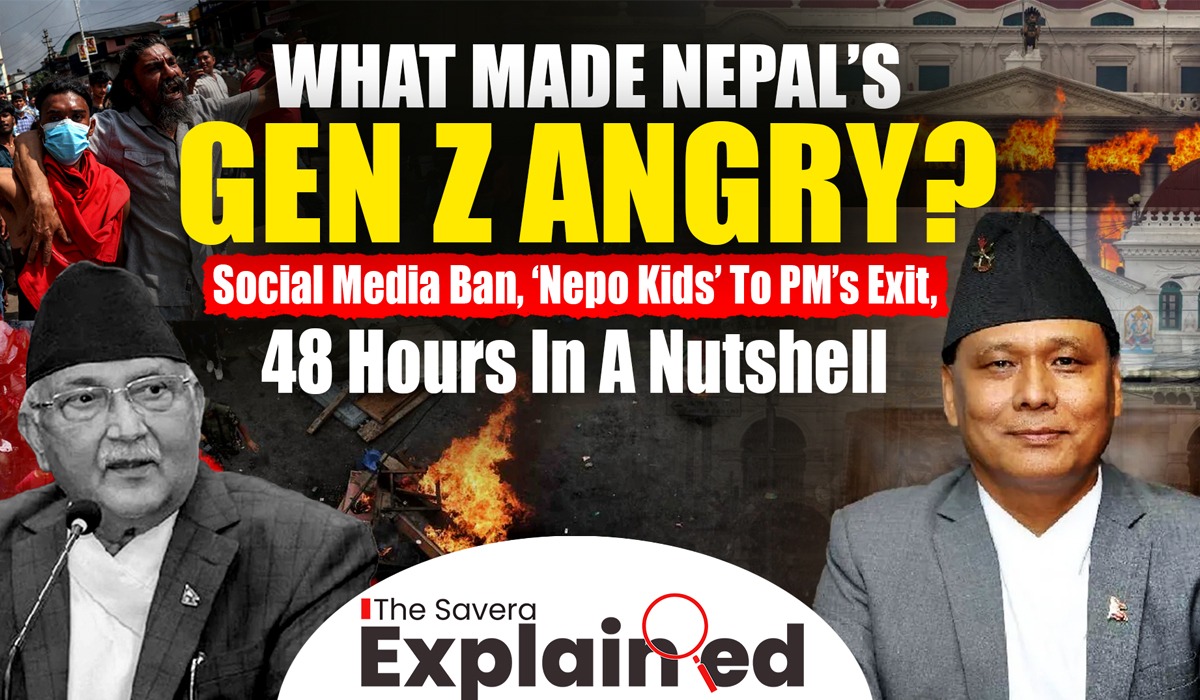
Nepal, a Himalayan nation of 30 million, has been rocked by its worst unrest in decades, driven by Generation Z (aged 13-28) protesting a social media ban, rampant corruption, and economic despair.
The upheaval, sparked in early September 2025, led to deadly clashes, the resignation of Prime Minister KP Sharma Oli, and a death toll of 51 as of September 12, 2025. Here’s a concise overview of the triggers, key players, chaotic events, and latest developments.
Triggers of the Protests
The protests stem from deep-seated grievances among Nepal’s youth, amplified by a controversial government decision:
Social Media Ban: On September 4, 2025, the government blocked 26 platforms, including Facebook, Instagram, WhatsApp, YouTube, and X, citing “misinformation” and “hate speech.” Critics viewed it as an attempt to suppress dissent, especially after a viral “Nepo Kids” campaign exposed politicians’ children flaunting lavish lifestyles. The ban was lifted on September 9, but protests had already gained momentum.
Corruption and Nepotism: Decades of systemic corruption have eroded public trust. The “Nepo Kids” movement highlighted stark inequalities, with political elites enjoying luxury while ordinary Nepalis struggle.
Economic Woes: With a 20.8% youth unemployment rate in 2024 and 33.1% of GDP from remittances, Nepal’s economy offers little opportunity for its youth, fueling frustration over poor infrastructure and lack of jobs.
Key Players
The decentralized, youth-led movement lacks a single leader but is driven by vocal organizers and supporters:
Youth Leaders: Figures like Miraj Dhungana, Yujan Rajbhandari, and Ikshama Tumrok have articulated demands for accountability and reform.
Organizations: Hami Nepal, an NGO, coordinated rallies, notably at Kathmandu’s Maitighar Mandala.
Cultural Support: Nepali celebrities, including actors Madan Krishna Shrestha and Keki Adhikari, and business leaders like Asimman Singh of Pathao, voiced solidarity, amplifying the movement’s reach.
The Violent 48 Hours
The protests escalated over two days, turning deadly and chaotic:
Monday, September 8: Thousands, many in school uniforms, clashed with riot police at Kathmandu’s parliament complex. Security forces used tear gas, water cannons, rubber bullets, and live ammunition, killing 17 in Kathmandu and 2 in Itahari, with over 400 injured. Protesters set an ambulance ablaze and hurled objects in retaliation.
Tuesday, September 9: Defying curfews, protesters torched government buildings, including parliament, the Supreme Court, and the Nepali Congress headquarters, as well as politicians’ homes, including those of Oli and former PM Sher Bahadur Deuba. The violence led to Oli’s resignation and the closure of Tribhuvan International Airport. Three more deaths were reported, and 900 inmates escaped from two western prisons.
Army Response and Political Fallout
The Nepal Army deployed troops to restore order, securing key sites like Singha Durbar and Pashupatinath Temple. General Ashok Sigdel urged calm, warning against vandalism, while helicopters airlifted ministers to safety.
Nationwide curfews were imposed, extended through September 12. Home Minister Ramesh Lekhak resigned on moral grounds after the deaths.
Recent Developments (as of September 12, 2025)
By September 12, Kathmandu remained tense, with troops patrolling and citizens clearing debris.
The death toll rose to 51, including protesters, police, and prisoners. Protest leaders, distancing themselves from the violence, met with military officials, backing former Chief Justice Sushila Karki for interim leadership, though legal hurdles persist.
President Ramchandra Paudel called for dialogue, but no clear successor to Oli has emerged. The army imposed a nationwide curfew until 6 a.m. on September 13, with sporadic protests continuing. Kathmandu’s airport reopened on September 11, but India tightened border security, and China advised citizens to avoid travel.
Regional and Global Implications
Nepal’s crisis, echoing youth-led uprisings in Sri Lanka (2022) and Bangladesh (2024), underscores the fragility of South Asian democracies. India and China, wary of instability, are closely monitoring Nepal’s strategic position.
Protesters demand early elections, parliament’s dissolution, and prosecution of those responsible for the September 8 killings. Without meaningful engagement, analysts warn of further escalation.
What’s Next?
The power vacuum leaves Nepal at a crossroads. Gen Z’s push for accountability and economic reform challenges a historically unstable political system. As the nation mourns, the path to stability hinges on dialogue, constitutional solutions, and addressing the systemic issues fueling this unprecedented uprising.
Imagine being seriously injured inside a flying aircraft, with blood on your clothes, passengers in panic and the...

Imagine the world’s biggest diesel exporter turning off its export taps. That is the concern after US President...

For India’s pharmaceutical industry, the latest US tariff decision brings relief — but not across the entire medicines...
One handshake, two superpowers and a long list of disagreements. US President Donald Trump and Chinese President Xi...
A river does not understand borders. But when two countries sharing that river are locked in a long-running...
A voter list revision — and now a software controversy A voter may have the right to vote,...

Aries: The day will be auspicious...