Last Updated: October 18, 2026
Last Updated: October 18, 2026





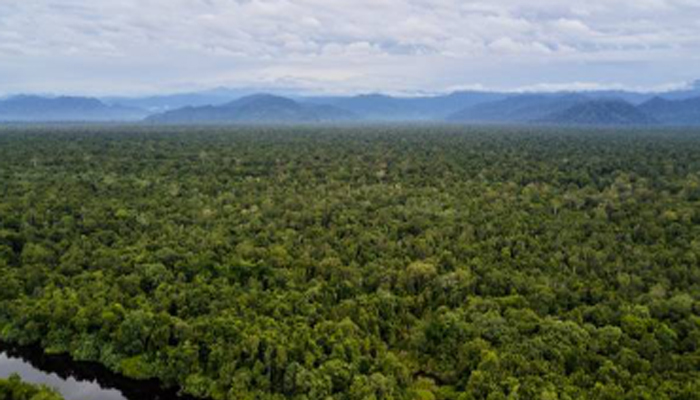
Forests in Australia’s tropical north have undergone a significant transformation, shifting from being carbon sinks to becoming sources of emissions, according to a study published in the journal *Nature* by scientists from the Australian National University. The research found that the change began around the year 2000, marking the first known instance globally of tropical forests reversing their role in the carbon cycle.
The study, based on long-term forest inventory data collected between 1971 and 2019, focused on forests in northeastern Australia, including Queensland. Between 1971 and 2000, these forests acted as carbon sinks, storing carbon at a rate of 0.62 megagrams per hectare annually.
However, since 2000, they have shifted to releasing carbon, recording an annual rate of -0.93 megagrams per hectare. The forests’ capacity to absorb carbon has been declining steadily, dropping by 0.041 megagrams of carbon per hectare each year. Lead author Hannah Carle of Western Sydney University said the change is mainly due to rising tree mortality linked to climate change. Increasingly extreme temperatures, atmospheric dryness, and drought have reduced the forests’ ability to absorb carbon dioxide, even though higher CO2 levels should have promoted plant growth.
The study identified rising temperatures, vapour pressure deficits, and water shortages as major contributors to the decline in aboveground biomass. Cyclones were found to further weaken the carbon balance, increasing tree mortality by an average of 19 percent for up to six years after an event.
Carle noted that cyclones are expected to become more severe and expand their reach under climate change, threatening additional forest areas. The researchers concluded that while cyclones amplify shortterm carbon loss, long-term climatic trends, particularly heat and drought stress, are the dominant factors driving the shift from carbon sink to source in Australia’s tropical forest
Gaurav and Shaurya arrived in India as two brothers from Namibia in the first chapter of the country’s...

Himanshu Nitnaware Australian seabirds are being found with record amounts of plastic in their stomachs, with plastic ingestion...

Indian-born female cheetah KGP12 has given birth to four cubs in Kuno National Park, marking a new milestone...

South Asia bears the highest current economic burden from air pollution among world regions, equivalent to 10% of...
A scientific survey of the southern Gulf of Kachchh has recorded 64 dolphin sightings involving 193 individuals, highlighting...

Nepal has proven its resilience in coping with earlier disasters as the country stepped up search and rescue...
Aries: The day will be auspicious...