Last Updated: October 15, 2026
Last Updated: October 15, 2026






In an age dominated by conflict, climate anxiety, and relentless headlines of despair, optimism can feel like an act of resistance. Yet across cities, villages, and digital spaces, quiet revolutions of kindness, innovation, and resilience are unfolding—often unnoticed, but deeply transformative. These moments remind us that progress does not always arrive with fanfare; sometimes it grows patiently, one small act at a time.
Across communities worldwide, people are reclaiming agency in simple but powerful ways. In neighbourhoods once divided by distrust, shared initiatives—community kitchens, local clean-up drives, and volunteer teaching programmes—are rebuilding social bonds. These efforts do more than solve immediate problems; they restore faith in collective action. When strangers cook together or children receive free tutoring from local volunteers, a sense of belonging emerges, replacing isolation with purpose.
Environmental action, too, is no longer confined to policy rooms or international summits. Ordinary citizens are becoming stewards of their surroundings. In towns facing water scarcity, residents are reviving traditional rainwater harvesting methods. Urban dwellers are transforming vacant plots into community gardens, growing vegetables while nurturing cooperation. These initiatives may appear modest, but their impact is tangible—lower food costs, greener neighbourhoods, and a renewed respect for nature.
Technology, often blamed for deepening divides, is also proving to be a powerful tool for inclusion. Digital platforms are enabling rural artisans to reach global markets, students to access free learning resources, and patients in remote areas to consult doctors online. For many, a smartphone has become more than a device—it is a gateway to opportunity. When used thoughtfully, technology amplifies human potential rather than replacing it.
One of the most encouraging shifts is the growing emphasis on mental well-being. Conversations around stress, trauma, and emotional health are no longer taboo. Workplaces are introducing wellness policies, schools are integrating counselling services, and individuals are learning to prioritise rest without guilt. This cultural change reflects a deeper understanding: progress is meaningless if it comes at the cost of human dignity and mental peace.
Youth, often portrayed as disillusioned, are emerging as some of the strongest agents of positive change. From climate activism to social entrepreneurship, young people are questioning outdated systems and offering fresh solutions. They are building start-ups with social missions, launching independent media platforms, and volunteering in crisis zones. Their optimism is not naïve; it is informed, urgent, and rooted in lived realities.
Even in regions marked by prolonged conflict or economic hardship, stories of resilience stand out. Teachers continue to educate children in difficult conditions, healthcare workers serve with limited resources, and families support one another through informal networks of care. These acts rarely make headlines, yet they form the backbone of societal survival. Hope, in such places, is not abstract it is practiced daily.
The power of storytelling itself is undergoing a quiet transformation. Readers and viewers are increasingly seeking narratives that explain, connect, and uplift rather than sensationalise. This shift is encouraging journalists, writers, and creators to highlight solutions alongside problems. By documenting what works, media can inspire replication and accountability, ensuring that optimism is grounded in evidence, not denial.
Positivity does not mean ignoring injustice or pretending problems do not exist. Rather, it involves recognising humanity’s capacity to respond with creativity and compassion. It means acknowledging pain while refusing to surrender to cynicism. In this sense, hope becomes a discipline—a deliberate choice to believe in improvement despite setbacks.
The world today remains deeply unequal and uncertain. But within that uncertainty lies possibility. Every tree planted, every child taught, every honest conversation held is a reminder that change is cumulative. Progress is rarely linear, but it is real.
As people continue to choose cooperation over apathy and empathy over indifference, they are quietly reshaping the future. These actions may not dominate news cycles, but they endure. And in their persistence lies a powerful truth: even in the most challenging times, humanity continues to move forward—steadily, imperfectly, and with hope.
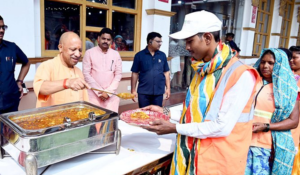
Varanasi: Uttar Pradesh Chief Minister Yogi Adityanath, on a two-day visit to Varanasi, honoured sanitation workers from the...
New Delhi: India’s pharmaceutical sector performed exceptionally well in September 2026, recording the highest monthly growth in the...

Prime Minister Narendra Modi on Thursday inaugurated and dedicated to the nation five major development projects worth approximately...
New Delhi: The Supreme Court on Thursday issued notice to the Election Commission of India (ECI) on a...

Supreme Court: Person Converting from Hinduism to Islam Cannot Claim Backward-Class Muslim Status

Higher reaches of Jammu and Kashmir received the season’s first snowfall, covering Doda, Gurez Valley and Pir Ki...

Aries: The day will be auspicious...