Last Updated: October 13, 2026
Last Updated: October 13, 2026





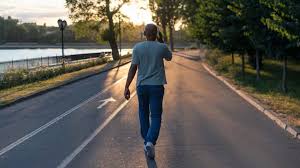
In an era dominated by screens, notifications, and fast-paced routines, the simple habit of a morning walk often feels outdated. Yet, this quiet ritual continues to hold relevance, not just for physical health but also for mental clarity and emotional balance. Across cities and small towns alike, people who begin their day with a walk often describe it as a grounding experience that sets the tone for the hours ahead.
Morning walks offer a rare pause before daily responsibilities take over. The early hours usually come with cleaner air, less noise, and a slower rhythm that allows individuals to connect with their surroundings. Whether it is a park, a roadside lane, or a quiet village path, walking in the morning encourages awareness—of breath, movement, and environment.
From a health perspective, walking is one of the most accessible forms of exercise. It does not require special equipment, training, or financial investment. Regular walking improves cardiovascular health, supports joint mobility, and helps regulate metabolism. Unlike high-intensity workouts that may discourage beginners, walking allows people of all ages to maintain consistency without physical strain.Mental health benefits are equally significant. Studies have shown that light physical activity can reduce stress and anxiety levels. Morning walks, in particular, help regulate sleep cycles by exposing the body to natural light early in the day. This exposure supports better sleep quality at night and improves overall mood. Many walkers also report that their best ideas or solutions emerge during these quiet moments of movement.
The social dimension of morning walks is often overlooked. In many communities, walking groups have become informal spaces for interaction. Neighbours exchange greetings, share updates, or simply enjoy companionship without the pressure of structured social settings. These brief interactions contribute to a sense of belonging, especially for older adults or people living alone.
Despite these benefits, modern lifestyles pose challenges. Long working hours, late-night screen use, and urban congestion often push mornings into rushed routines. However, even short walks—15 to 20 minutes—can make a noticeable difference. The key lies in consistency rather than duration.
In a digital age where productivity is often measured by speed and output, morning walks serve as a reminder that slowing down can be productive too. They encourage mindfulness, health, and connection, all through a habit that has existed long before fitness trends and wearable technology.
Washington: The Trump administration has moved to scrap a rule that lets H-1B and other skilled foreign workers...

What happens when the world’s richest technology entrepreneur puts his money, social media platform and political influence behind...

Chandigarh: Condemning the murder of anti-drug activist Parvinder Singh Jhota, BJP Rajya Sabha MP from Punjab Raghav Chadha...

Jammu: Joint security forces recovered a cache of arms and ammunition during a search operation in Jammu and...

New Delhi: The Centre on Tuesday cleared the appointment of two judicial officers as Additional Judges of the...

New Delhi: The Supreme Court on Tuesday issued notice to the Centre and the Election Commission of India...

Aries: The day will be auspicious...